You Won’t Believe What These Seville Neighborhoods Hide
Seville isn’t just about flamenco and orange trees—its soul lives in the streets, squares, and whispers of its distinct districts. I walked every corner, from sun-drenched alleys to quiet courtyards, and discovered how each neighborhood tells a different story. Whether you're chasing authenticity or just want to escape the crowds, Seville’s city districts offer something deeper. This is more than sightseeing—it’s feeling the city breathe. The rhythm of daily life here isn’t performed for cameras; it unfolds naturally in market stalls, family-run eateries, and shaded plazas where neighbors greet each other by name. As a traveler, stepping beyond the postcard sights means entering a world where tradition and modernity coexist, where history is not confined to museums but lives in the architecture, cuisine, and customs of everyday people. This journey through Seville’s neighborhoods is an invitation to slow down, observe closely, and connect meaningfully.
The Heartbeat of Seville: Santa Cruz and the Old Jewish Quarter
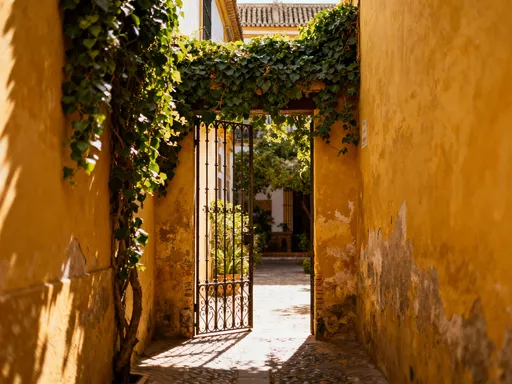
Santa Cruz, nestled within the historic core of Seville, is often described as the city’s emotional epicenter. Once the Jewish quarter during medieval times, this neighborhood preserves a labyrinth of narrow, winding streets that seem untouched by time. Whitewashed houses with wrought-iron grilles, cascading bougainvillea, and wooden doors leading to hidden patios create an atmosphere of intimate charm. Every turn reveals a new courtyard, a tucked-away fountain, or a sunlit plaza where time slows. The area’s historical depth adds layers to the experience—centuries ago, this was home to scholars, merchants, and artisans whose legacy still echoes in the quiet corners and ancient stone walls.
What makes Santa Cruz so compelling is not just its beauty but its living character. While many visitors come for a brief stroll between visits to the Cathedral and Alcázar, those who linger begin to notice the rhythms of local life. Elderly residents sip coffee on benches shaded by orange trees, children chase each other through pedestrian lanes, and the scent of jasmine drifts from private gardens. These moments aren’t staged; they’re part of an enduring urban fabric. The neighborhood remains densely inhabited, with families passing homes down through generations. For many Sevillanos, Santa Cruz is not a tourist zone but a cherished part of their city’s soul.
Exploring Santa Cruz rewards curiosity and a willingness to wander without a map. Some of the most memorable discoveries—like a tiny chapel tucked between two houses or a ceramic-tiled fountain in a hidden corner—are found by accident. Yet, there are also intentional pleasures: visiting the tranquil Plaza de Doña Elvira, where ivy climbs the walls and locals gather in the late afternoon, or pausing at a family-owned bodega for a glass of manzanilla and a plate of olives. The key is to move slowly, absorb the details, and respect the space as both a historic treasure and a residential neighborhood. By doing so, visitors gain more than photographs—they gain a sense of belonging, even if just for a few hours.
El Arenal: Where History Meets Modern Vibe
Just west of Santa Cruz lies El Arenal, a dynamic district that embodies Seville’s ability to balance heritage with contemporary life. Historically an industrial and dockside area along the Guadalquivir River, El Arenal has transformed over recent decades into a cultural and social hub. Its most iconic landmark, the Real Maestranza Bullring, stands as a testament to tradition—one of Spain’s oldest and most revered arenas for bullfighting. Yet, surrounding this historic structure are modern art galleries, riverside cafés, and cultural centers that attract a diverse crowd, from art enthusiasts to young professionals enjoying weekend tapas.
The transformation of El Arenal reflects a broader shift in how Seville engages with its urban spaces. Former warehouses and storage facilities have been repurposed into exhibition halls and performance venues, such as the Centro de Creación Contemporánea de Andalucía. These spaces host rotating exhibitions of photography, sculpture, and experimental art, offering a fresh contrast to the city’s more classical offerings. At the same time, the neighborhood retains its connection to the river, with promenades where locals jog, cycle, or simply sit and watch the water flow. The juxtaposition of old and new gives El Arenal a unique energy—one that feels both rooted and forward-looking.
For travelers seeking an authentic evening experience, El Arenal delivers without the overt commercialism of more tourist-heavy zones. Along Calle Castilla and the riverside walkways, small bars and restaurants serve craft beers, natural wines, and innovative takes on Andalusian dishes. A drink at sunset from a terrace overlooking the Guadalquivir offers panoramic views of the city skyline, including the Giralda tower in the distance. These moments feel unforced and genuine, far removed from crowded plazas where menus are printed in five languages. To blend in, visitors should embrace the local pace: arrive late, stay long, and let the conversation flow naturally over shared plates and slow sips of wine.
Triana: The Soul of Sevillian Craft and Spirit
Separated from the city center by the Puente de Isabel II, Triana has long held a special place in Seville’s identity. Known as the birthplace of flamenco and a historic center for ceramic production, this neighborhood carries a proud, independent spirit. Its narrow streets, tiled facades, and community-centered plazas reflect a culture shaped by artisans, dancers, and river workers. Even today, Triana resists full assimilation into the tourist mainstream, maintaining a gritty authenticity that many Sevillanos deeply respect. To walk through Triana is to feel the pulse of the city’s creative heart.
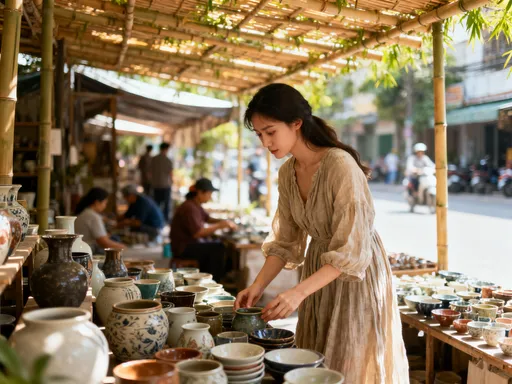
The neighborhood’s artistic legacy is visible everywhere. Ceramic workshops still line Calle San Jorge, where generations of potters have crafted azulejos—glazed tiles that adorn buildings across southern Spain. Visitors can watch artisans at work, shaping clay on spinning wheels or painting intricate Moorish-inspired patterns by hand. Some studios offer short workshops, allowing travelers to try their hand at tile painting, a meaningful way to connect with local tradition. Meanwhile, flamenco is not just performed here—it lives in the homes, bars, and peñas (fan clubs) where spontaneous singing and dancing erupt late into the night. The Casa de la Memoria and Tablao El Palacio are intimate venues where visitors can experience authentic performances, free from theatrical overproduction.
Triana’s culinary scene is equally distinctive. Away from the main tourist paths, family-run taperías serve hearty, home-style dishes that reflect the neighborhood’s working-class roots. One standout is espinacas con garbanzos—a rich stew of spinach and chickpeas seasoned with cumin and paprika, often served with crusty bread. Found in modest eateries like Bar Los Gallos or lesser-known neighborhood spots, this dish represents the soul of Sevillian comfort food. Weekend markets, such as the Feria de Triana, offer another window into local life, with vendors selling fresh produce, handmade soaps, and vintage textiles. For travelers, the lesson is clear: authenticity in Triana is not found in grand monuments but in daily rituals, shared meals, and creative expression.
Macarena: Authentic Life Beyond the Postcard
If Santa Cruz and Triana attract attention for their history and culture, Macarena offers something rarer: a glimpse into ordinary Sevillian life. Located north of the historic center, this residential neighborhood is seldom featured in travel brochures, yet it pulses with authenticity. Its most famous landmark, the Basílica de Santa María de la Esperanza Macarena, draws pilgrims and devotees, particularly during Holy Week processions. But beyond the religious significance, Macarena is a place of neighborhood markets, schoolchildren in uniform, and elders playing dominoes in shaded squares. There is no performance here—only real life, unfolding at its natural pace.
The Mercado de la Macarena is a highlight, a bustling indoor market where locals shop for fresh fish, cured meats, seasonal vegetables, and locally made cheeses. Unlike sanitized gourmet markets in tourist zones, this one is loud, lively, and full of character. Vendors call out specials, grandmothers haggle over prices, and the scent of saffron and garlic fills the air. For visitors, shopping here—even if only for a piece of fruit or a small jar of olives—can be a quiet act of connection. The key is to observe, listen, and participate respectfully, understanding that this is not a show but a daily necessity for residents.
Strolling through Macarena’s side streets reveals a different architectural aesthetic—modest homes with iron balconies, small family-run shops, and neighborhood bars where men read newspapers over small glasses of wine. The atmosphere is unpretentious and welcoming. Unlike districts that cater to visitors, Macarena asks nothing of tourists except basic courtesy. Yet, in return, it offers something invaluable: the chance to witness Seville as it truly is, beyond curated experiences and photo opportunities. For women between 30 and 55 who value genuine human connection and cultural insight, Macarena provides a deeply resonant experience—one that lingers long after the trip ends.
Nervión and Los Remedios: Contrasts in Urban Living
Traveling southeast from the center, the urban landscape shifts dramatically in Nervión and Los Remedios, two neighborhoods that reflect different eras of Seville’s development. Nervión, built in the mid-20th century, follows a modern grid pattern with wide avenues, department stores, and a strong emphasis on commerce. It is home to the iconic Metropol Parasol—a futuristic wooden structure that houses a market, restaurant, and elevated walkway offering panoramic views of the city. While some dismiss Nervión as too modern or commercial, it offers a realistic picture of contemporary Sevillian life, particularly for middle-class families and professionals.
In contrast, Los Remedios exudes elegance and historical charm. Developed for the Ibero-American Exposition of 1929, the neighborhood features wide boulevards, neoclassical buildings, and lush green spaces. Its architecture blends Spanish revival styles with French-inspired details, creating a refined yet livable environment. The Parque de María Luisa borders the area, offering shaded paths, fountains, and quiet corners perfect for reading or people-watching. On weekends, families stroll along the Paseo de Catalina de Ribera, couples sit by the river, and cyclists glide through tree-lined avenues. Los Remedios feels like a planned utopia, a deliberate effort to create beauty and order in urban design.
These two districts appeal to different travelers. Nervión suits those who appreciate modern convenience, efficient public transport, and access to shopping and dining without the crowds of the historic center. It’s also where many locals go for everyday errands, making it a good place to observe contemporary Spanish consumer culture. Los Remedios, on the other hand, attracts visitors seeking tranquility and aesthetic pleasure. Its slower pace and scenic beauty make it ideal for leisurely walks, afternoon coffee breaks, or quiet reflection. Together, Nervión and Los Remedios illustrate how Seville has evolved—not by replacing the old, but by layering the new atop it, creating a city that honors its past while embracing the present.
San Luis and Heliópolis: Green Spaces and Early 20th-Century Dreams
Few neighborhoods in Seville embody the early 20th-century ideal of the “garden city” as fully as San Luis and Heliópolis. Designed during a period of urban reform, these areas were planned to offer healthier, more spacious living conditions compared to the dense historic center. Tree-lined avenues, low-rise buildings with ornate facades, and abundant green spaces define their character. Inspired in part by British urban planning principles, these neighborhoods were intended for the city’s growing middle and upper classes, offering a quieter, more refined alternative to the bustling core.
Walking through San Luis, one notices the attention to detail—wrought-iron balconies, floral window boxes, and cobblestone sidewalks that slow the pace of movement. The area surrounds the outer edges of Parque de María Luisa, allowing residents easy access to one of Seville’s most beloved green spaces. On any given morning, retirees practice tai chi near the lake, children play on grassy lawns, and couples read under shaded pergolas. The atmosphere is one of calm and dignity, a world away from the sensory overload of central plazas. Heliópolis, slightly more residential, maintains a similar ethos with wider streets and larger homes, many still occupied by long-standing families.
For travelers seeking respite from the heat and crowds, San Luis and Heliópolis offer a peaceful retreat. Small neighborhood cafés serve strong coffee and flaky pastries, while independent bookshops and artisanal bakeries cater to a discerning local clientele. The pace of life here encourages mindfulness—sitting for a long lunch, taking an afternoon siesta, or enjoying an evening walk as the sun sets behind palm trees. These neighborhoods may lack the dramatic landmarks of central Seville, but they reveal another truth about the city: that beauty and contentment can be found in quiet streets, well-tended gardens, and the rhythm of daily routines. For women who appreciate order, elegance, and a sense of balance, San Luis and Heliópolis provide a deeply soothing experience.
Why Districts Matter: Traveling Deeper, Not Just Farther
Exploring Seville’s neighborhoods transforms travel from a checklist of attractions into a meaningful engagement with place and people. When visitors move beyond the Cathedral, the Alcázar, and the Metropol Parasol, they begin to understand that cities are not just collections of monuments but living organisms shaped by history, culture, and human connection. Each district tells a different story—of resilience, creativity, tradition, and change. By walking through them with intention, travelers gain insight not only into Seville but into themselves.
The practice of neighborhood exploration requires a shift in mindset. It means slowing down, observing details, and embracing uncertainty. Instead of rushing from one site to the next, it involves lingering in a plaza, listening to conversations, noticing how light falls on a wall at different times of day, or learning the name of the woman who runs the corner grocery. These small acts build a deeper understanding of a place. They also foster respect—visitors begin to see themselves not as consumers of culture but as temporary guests in someone else’s home.
Practical strategies can enhance this experience. Arriving early in the morning allows travelers to witness daily routines—bakers pulling bread from ovens, cleaners sweeping storefronts, schoolchildren walking to class. Visiting markets during peak hours offers a chance to engage with vendors and sample seasonal foods. Learning a few basic phrases in Spanish—such as “buenos días,” “gracias,” and “¿qué me recomienda?”—goes a long way in building rapport. Equally important is knowing when to be quiet, when to step aside, and when to simply observe. Respectful tourism is not about visibility but about humility and presence.
Ultimately, the value of exploring districts lies in the emotional resonance it creates. A woman in her forties walking through Macarena may feel a quiet kinship with the grandmothers at the market. A mother strolling through Los Remedios with her children may appreciate the thoughtfulness of urban design that prioritizes family life. These connections transcend language and nationality, speaking to universal values of home, community, and belonging. Travel becomes not just an escape but a form of enrichment—one that lingers in memory and shapes future choices.
Seville reveals itself block by block, not just through its icons, but in the way light hits a tile in Triana or laughter spills from a plaza in Macarena. By diving into its districts, you don’t just see the city—you begin to feel at home in it. The journey through Santa Cruz, El Arenal, Triana, Macarena, Nervión, Los Remedios, San Luis, and Heliópolis is not merely geographical. It is emotional, cultural, and deeply human. Each neighborhood offers a different shade of Seville’s identity, a different note in its enduring melody. For those willing to listen, to walk slowly, and to open their hearts, the city gives generously. It offers not just sights, but stories—ones that stay with you long after the suitcase is unpacked and the photos are shared. In the end, the most memorable travels are not those that take us farthest, but those that bring us closest—to places, to people, and to ourselves.