You Won’t Believe These Hidden Shopping Spots in Ho Chi Minh City
Ho Chi Minh City pulses with energy, where motorbikes swarm the streets and tradition dances with modernity. Beyond the bustling markets and flashy malls lies a world of leisure-rich shopping venues few travelers discover. I wandered through hidden alleyways, local hangouts, and creative hubs where shopping feels like an experience, not a chore. This is more than retail therapy—it’s culture, flavor, and vibe wrapped in one. Let me show you the side of Saigon that locals love.
The Heartbeat of Saigon Shopping
Shopping in Ho Chi Minh City is not merely a transaction—it is a rhythm, a daily ritual woven into the fabric of urban life. The city thrives on movement, color, and sensory delight, where every purchase is accompanied by a smile, a story, or a shared moment over iced coffee. Unlike the hurried pace of Western retail, Saigon’s approach to shopping blends leisure with discovery, making it an immersive cultural journey. From the early morning hum of street vendors arranging pyramids of tropical fruit to the golden hour glow on boutique façades in District 3, the city invites you to slow down and savor each interaction.
What sets Saigon apart is its seamless fusion of old and new. Centuries-old trading traditions meet contemporary design sensibilities in unexpected corners. You might find a grandmother selling hand-embroidered áo dài next to a young designer showcasing minimalist linen wear in a repurposed colonial villa. This coexistence isn’t accidental—it reflects a city that values heritage while embracing innovation. The result is a shopping landscape where every visit feels personal, layered, and rich with meaning. It’s not about acquiring things; it’s about connecting with people, stories, and the soul of the city.
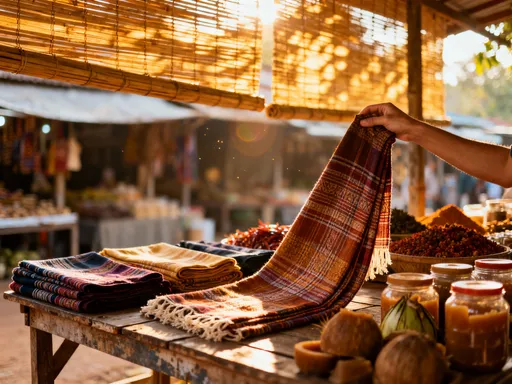
For many residents, shopping is a social event, a reason to gather, stroll, and linger. Families spend weekends exploring weekend markets, couples meet for coffee between boutique visits, and friends reunite over street food after a successful bargain. This leisure-focused mindset transforms shopping from a mundane errand into a cherished pastime. Whether you're browsing silk scarves under fluttering prayer flags or sampling mango rolls at a sidewalk stall, the experience is as important as the purchase. In Saigon, shopping is not just consumption—it is celebration, connection, and a window into everyday Vietnamese life.
Ben Thanh Market: More Than Just a Tourist Stop
Ben Thanh Market stands as one of Ho Chi Minh City’s most iconic landmarks, but beneath its postcard-perfect exterior lies a living, breathing ecosystem of commerce and culture. While often crowded with tourists, especially during midday hours, those who visit early—ideally between 7:00 and 9:00 a.m.—witness the market in its most authentic form. Locals stream in to buy fresh produce, spices, and household goods before the heat rises, creating a vibrant tapestry of daily life. The air hums with bartering voices, sizzling woks, and the sweet scent of ripe durian mingling with dried shrimp and jasmine tea.
The market is divided into sections, each offering a distinct sensory journey. The indoor hall houses orderly rows of textiles, souvenirs, and leather goods, where vendors display everything from hand-painted fans to custom tailoring services. Just beyond, the outdoor food zone bursts with color and flavor—grilled squid skewers sizzle on open flames, while coconut coffee is poured over ice in glass jars. It’s easy to spend an hour here not just shopping, but eating, observing, and engaging. A simple nod or friendly phrase in Vietnamese—like “Chào chị” (Hello, sister)—can open doors to warmer interactions and better deals.
For the thoughtful visitor, Ben Thanh offers more than trinkets—it offers insight. Bargaining is expected, but it should be done with respect and a smile. Start by offering around 60 to 70 percent of the initial price and negotiate gently. Avoid aggressive haggling; the goal is mutual satisfaction, not victory. And don’t rush. Pause to watch a vendor fold silk into perfect squares, or listen as two women debate the best type of rice paper for summer rolls. These moments, fleeting as they are, reveal the heart of Vietnamese commerce: relationship over transaction. With a little patience and curiosity, Ben Thanh becomes less of a tourist stop and more of a cultural encounter.
Hidden Alleyway Boutiques in District 3
Just a short ride from the downtown bustle, District 3 unfolds like a quiet secret—a neighborhood of tree-lined streets, French colonial homes, and hidden boutiques that redefine urban shopping. Tucked within residential lanes accessible only by foot or motorbike, these small shops offer a stark contrast to the intensity of central markets. Here, shopping is deliberate, intimate, and often accompanied by a cappuccino or fresh coconut. This is the epicenter of Saigon’s slow-shopping movement, where fashion, art, and café culture intersect in the most delightful ways.
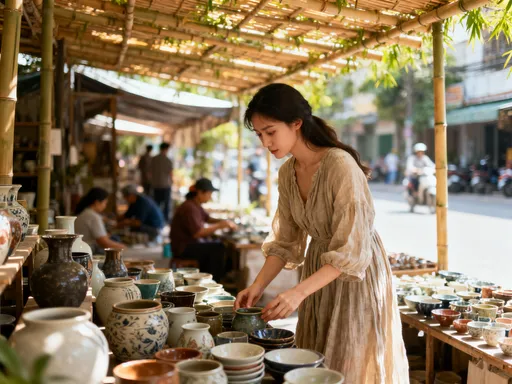
Wander down alleys off Vo Van Tan or Nguyen Thien Thuat streets, and you’ll stumble upon curated spaces like linen ateliers, vintage clothing nooks, and ceramic studios. One moment you’re stepping over a sleeping dog in a doorway, the next you’re inside a sunlit studio where a young designer hand-stamps organic cotton dresses. These boutiques often carry limited runs—sometimes just ten pieces per style—emphasizing craftsmanship over mass production. Prices reflect the care and materials, but many owners welcome conversation and are happy to explain the inspiration behind their work.
What makes this experience truly special is the atmosphere. Shops open late, often around 10 a.m., and stay open until early evening. Many are attached to or located near cozy cafés—some with garden courtyards, others with retro record players spinning 1960s Vietnamese ballads. It’s common to see women in their 30s and 40s, often mothers with teenage daughters, browsing racks while sipping salted lemonade. Time moves differently here. There’s no pressure to buy. Instead, there’s an invitation to linger, to touch the fabric, to imagine how a handwoven tote might fit into your life back home. For the discerning traveler, District 3 offers not just products, but peace, perspective, and a deeper connection to Saigon’s creative pulse.
Saigon’s Modern Escape: Vincom Center & Nearby Leisure Zones
For a different rhythm of retail, Ho Chi Minh City’s modern malls offer air-conditioned elegance and cosmopolitan comfort. Vincom Center A, located in the heart of District 1, stands as a prime example of how shopping has evolved into a full-sensory leisure experience. With its marble floors, glass elevators, and designer storefronts, the mall caters to both local professionals and international visitors seeking a refined escape from the city’s heat and chaos. Yet, unlike sterile shopping centers elsewhere, Vincom integrates entertainment, dining, and art in ways that feel organic and inviting.
The mall houses global brands—from Zara and Uniqlo to luxury labels like Michael Kors and Longchamp—but its appeal extends far beyond fashion. The upper floors host a multiplex cinema showing both Hollywood and Vietnamese films, while the rooftop level features a skywalk with panoramic views of the city skyline. On weekends, families gather in the food court for pho and bubble tea, teenagers meet for karaoke, and couples sip cocktails at chic rooftop bars. The atmosphere is lively but never overwhelming, making it an ideal spot for a half-day retreat, especially during afternoon thunderstorms.
What truly sets Vincom apart is its role as a cultural connector. Temporary art exhibitions often line the corridors—featuring local painters, sculptors, or student projects—turning a simple walk between stores into an impromptu gallery visit. Seasonal events, like Lunar New Year displays or Christmas light installations, draw crowds who come as much for the ambiance as for shopping. Even the mall’s design encourages exploration: wide staircases, open atriums, and natural light create a sense of spaciousness rare in urban centers. For visitors seeking comfort without sacrificing authenticity, Vincom Center offers a modern face of Saigon—one that respects tradition while embracing the future.
Artisan Villages Meet City Cool: Craft Markets at Nguyen Thi Minh Khai
Once a month, along the shaded boulevard of Nguyen Thi Minh Khai, a transformation takes place. What is usually a quiet residential street becomes a vibrant pop-up haven for local artisans, designers, and creatives. These craft markets—often organized by independent collectives—are a celebration of handmade culture, sustainability, and community. Tents and wooden stalls appear overnight, displaying hand-dyed textiles, bamboo accessories, ceramic vases, and natural skincare products made from turmeric, green tea, and rice bran. The air fills with the scent of sandalwood and freshly baked banana muffins, while acoustic music floats from a corner stage.
Unlike commercial markets, these events prioritize connection over sales. Shoppers are encouraged to talk with makers, learn about their processes, and even participate in mini workshops—such as indigo dyeing, embroidery, or candle-making. Children draw on fabric scraps while parents sip herbal iced tea, and elderly couples browse hand-stitched quilts with nostalgic smiles. The prices are fair, the pace is gentle, and the energy is warm. These markets reflect a growing movement in Vietnam toward mindful consumption—choosing quality over quantity, story over status.
For visitors, attending one of these events is a rare opportunity to support local talent directly. Many of the artisans come from rural villages, bringing traditional techniques into the urban spotlight. A woman from Hoi An might sell lantern-inspired earrings, while a young man from the Central Highlands offers hand-carved wooden bowls. These markets also serve as incubators for sustainable fashion—linen dresses, upcycled bags, and plant-based dyes are common finds. By shopping here, you’re not just buying souvenirs; you’re contributing to a network of creativity and resilience. And because the events are monthly and often promoted through social media, they maintain an exclusive, word-of-mouth charm—making each visit feel like a privileged discovery.
Local Life Along the Canals: Binh Tay Market & Cholon’s Secret Corners
Journey westward across the Saigon River, and you enter Cholon—the historic Chinatown of Ho Chi Minh City—a world away from the tourist trails. Here, time slows, and the city reveals a quieter, more contemplative side. At the heart of this district lies Binh Tay Market, a sprawling wholesale hub that has served the community for over a century. Unlike Ben Thanh, this market is not designed for tourists. It’s where shop owners from across southern Vietnam come to stock their stores, filling carts with dried mushrooms, preserved plums, herbal medicines, and bulk tea. The scale is impressive—rows upon rows of goods stacked floor to ceiling, labeled in Chinese, Vietnamese, and sometimes Khmer.
Walking through Binh Tay is like stepping into a living archive of trade. The market’s architecture—a blend of French colonial and Chinese design—features high ceilings, arched windows, and wide corridors that allow for the constant flow of goods. Vendors sit behind mounds of star anise or jars of salted eggs, some reading newspapers, others playing quiet games of cards. The pace is unhurried, the air thick with the scent of incense and dried seafood. While bargaining is less common here (prices are already wholesale), a friendly demeanor goes a long way. Offering a simple “Chào bác” (Hello, elder) often earns a warm smile and perhaps a sample of candied ginger.
Just beyond the market, narrow lanes lead to family-run shops selling everything from ancestral altar supplies to hand-woven baskets. Quiet temples dot the area—some over 200 years old—where incense coils rise into the sky and elders kneel in quiet prayer. Duck into a corner café for a glass of salted tamarind juice or a bowl of wonton noodles, and you’ll find yourself surrounded by generations of locals sharing stories. Cholon offers a rare depth of experience—one rooted in history, community, and continuity. For travelers seeking authenticity, this is not just shopping; it’s witnessing the enduring rhythms of Vietnamese-Chinese life, preserved amid modern change.
From Streets to Style: How to Shop Like a Local
To truly enjoy shopping in Ho Chi Minh City, it helps to adopt the local rhythm—slow, respectful, and open-hearted. Start with transportation: ride-hailing apps like Grab or Be are reliable and affordable, allowing you to hop between districts without navigating traffic. For shorter distances, consider walking or renting a bicycle—many boutique areas in District 3 and District 5 are best explored on foot. Always carry a small umbrella or raincoat; afternoon showers are common, especially from May to November, and a sudden downpour shouldn’t cut your adventure short.
When planning your route, group destinations by neighborhood to make the most of your time. Begin early in Ben Thanh, then head to District 3 for lunch and boutique browsing. In the late afternoon, visit Vincom Center to escape the heat, or check social media for pop-up craft markets. If you’re drawn to deeper cultural experiences, dedicate a full morning to Cholon, arriving around 8:00 a.m. when the markets are lively but not sweltering. Wear comfortable shoes, stay hydrated, and don’t overpack your itinerary—Saigon rewards those who move with intention, not haste.
Engaging with vendors is part of the joy. Always greet with a smile before asking prices. Learn a few basic Vietnamese phrases—“Có thể rẻ hơn không?” (Can it be cheaper?) or “Cảm ơn” (Thank you)—to show respect. When bargaining, do so gently and with humor; never treat it as a contest. And don’t skip the food: buying a sugarcane juice or a steamed rice cake from a vendor stall isn’t just refreshment—it’s a gesture of goodwill that often leads to better rapport and even insider tips. Most importantly, shop with awareness. Choose items made by local artisans, support sustainable brands, and carry home pieces that reflect your journey, not just your impulse.
Remember, the best souvenirs aren’t always the ones wrapped in tissue paper. They’re the memory of a woman teaching you how to fold a lotus from silk, the taste of a mango shake shared on a plastic stool, the sound of rain on a market roof as you sip coffee in a hidden courtyard. These are the treasures that stay with you long after the suitcase is unpacked.
Shopping in Ho Chi Minh City isn’t about checking boxes—it’s about immersing yourself in moments that spark joy, connection, and discovery. Whether you’re sipping coconut coffee in a hidden courtyard or haggling for silk near the river, every stop tells a story. Let Saigon’s rhythm guide your footsteps, and you’ll find that the best souvenirs aren’t things you buy—they’re the experiences you carry home.