You Won’t Believe What I Found in Kandy’s Hidden Art Spots
Kandy, Sri Lanka, is more than temples and tea—it’s a living canvas. I went looking for peace and stumbled into a world of color, rhythm, and soulful expression. From quiet alley murals to buzzing creative hubs, the city’s leisure venues blend art and calm in ways I never expected. If you think culture stops at the museum, think again—Kandy’s true magic hides in its artistic heartbeat.
The Unexpected Art Pulse of a Sacred City
Kandy is best known as a spiritual center, home to the revered Temple of the Tooth, where incense curls into the morning air and monks in saffron robes move with quiet dignity. Yet beyond its sacred reputation lies a vibrant, often overlooked truth: Kandy pulses with artistic energy. This is not a city where culture is locked behind glass cases. Instead, art flows through its streets like a quiet river, shaping how people live, gather, and express themselves. The city’s creative soul is deeply rooted in centuries-old traditions—Kandyan dance with its dramatic postures and rhythmic drumming, intricate wood carving passed down through generations, and the vivid, symbolic masks used in healing rituals and festivals. These traditions are not relics of the past but living practices that continue to evolve.
What makes Kandy’s art scene unique is how seamlessly it integrates into daily life. In many cities, art is something you visit—museums, galleries, performance halls. In Kandy, it’s something you stumble upon. You might hear the deep resonance of a traditional drum drifting from a courtyard, or see an elderly craftsman carving a lion motif into a wooden doorframe outside a family home. These moments are not staged for tourists; they are part of the city’s natural rhythm. For visitors, this means art becomes a form of leisure that feels authentic and unhurried. You don’t need a ticket or a schedule. You simply need to be present, to look closely, and to allow yourself to be drawn into the quiet hum of creativity.
Local institutions play a crucial role in sustaining this living culture. Dance schools and artisan collectives offer open rehearsals and informal demonstrations, inviting passersby to watch or even join in. These spaces are not polished tourist attractions but community hubs where tradition is practiced with pride and passed on with care. For the traveler seeking meaningful connection, these encounters offer a rare kind of relaxation—one that nourishes the mind as much as the spirit. In Kandy, leisure isn’t about escape; it’s about immersion in a culture where art is not separate from life but woven into its very fabric.
Temple Grounds to Street Murals: Art as Urban Escape
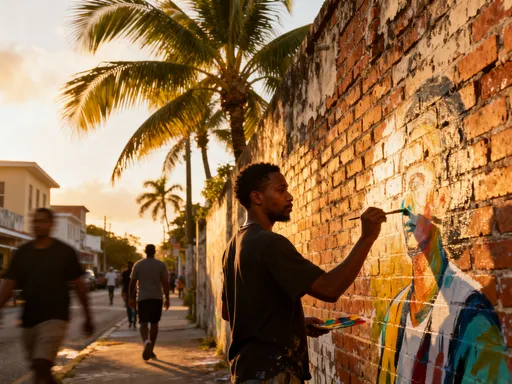
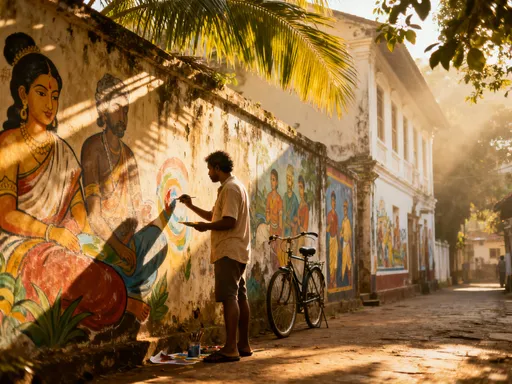
While the Temple of the Tooth draws thousands of visitors each year, Kandy’s quieter streets tell a different story—one of transformation and quiet rebellion. In recent years, a new generation of artists has begun reclaiming forgotten corners of the city, turning blank walls and narrow alleyways into open-air galleries. These murals are not random graffiti but thoughtful expressions of identity, history, and hope. They depict scenes from Sri Lankan folklore, portraits of local elders, and abstract patterns inspired by traditional Kandyan textiles. Each piece serves as a visual anchor, inviting residents and visitors alike to pause and reflect.
One of the most striking mural zones can be found in the vicinity of the Kandy Municipal Market, where a series of interconnected lanes have been transformed into a walking art trail. Here, a faded brick wall now blooms with a life-sized painting of a woman weaving a tapestry, her hands rendered in such detail that they seem to move. Around the next corner, a child’s face peers out from beneath a red umbrella, painted in soft pastels that contrast with the rough texture of the wall. These works do not shout for attention; they whisper, drawing the observer into a moment of stillness amidst the city’s bustle. For travelers, a walk through these neighborhoods becomes more than a sightseeing detour—it becomes a meditative experience, a chance to slow down and reconnect with the human stories behind the city’s skyline.
What makes these murals particularly powerful is their accessibility. Unlike museum exhibits, they require no admission fee, no schedule, and no prior knowledge. They exist in the everyday—next to a tea stall, above a mechanic’s shop, beside a flower vendor’s cart. This democratization of art reflects a broader shift in how Kandy views culture: not as something elite or distant, but as a shared inheritance. For the traveler, this means that moments of beauty and insight can arrive unexpectedly, turning an ordinary stroll into a journey of discovery. In a world where tourism often feels transactional, these murals offer something rare—a sense of belonging, even if just for a few quiet minutes.
Cultural Centers That Double as Creative Sanctuaries
Scattered throughout Kandy are spaces where art is not just displayed but lived. These cultural centers—some formal, others barely more than a room with a few benches—serve as sanctuaries for both locals and visitors. They are places where the pace slows, where conversation flows in hushed tones, and where the air carries the faint scent of sandalwood and old paper. One such venue is the Kandy Art Association, a modest building tucked behind a row of shops that has hosted exhibitions and performances for over half a century. Step inside, and you might find a small group gathered around a painter demonstrating traditional watercolor techniques, or a young dancer rehearsing a Kandyan routine in a sunlit courtyard.
What sets these centers apart is their openness. They do not demand attention or performance from visitors. Instead, they offer permission to simply be. You can sit on a wooden bench with a cup of herbal tea, watching artists at work, or browse through a collection of handmade books and prints. Some venues host weekly music sessions, where a lone sitar player fills the room with melodies that seem to drift from another century. These moments are unscripted and unhurried, offering a rare form of leisure that is both restorative and enriching.
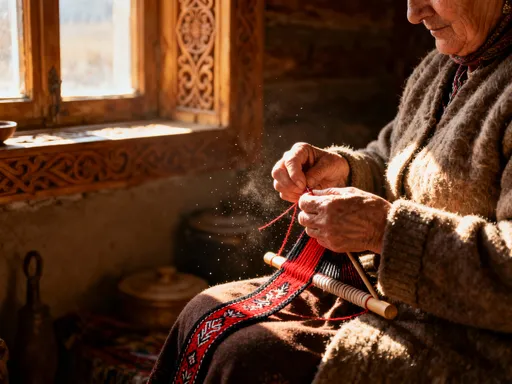
For families and older travelers, these spaces provide a welcome contrast to the more crowded tourist sites. There is no pressure to move quickly or absorb vast amounts of information. Instead, the experience is sensory and emotional—a chance to feel the texture of a handwoven tapestry, to listen to the rhythm of a drumbeat, or to watch light filter through a stained-glass panel made by a local artisan. In these quiet corners, art becomes a bridge between people and cultures, offering connection without words. For the traveler seeking depth over distraction, these cultural sanctuaries are among Kandy’s most precious gifts.
Workshops Where Time Slows Down
One of the most fulfilling ways to engage with Kandy’s art scene is through hands-on participation. Across the city, a growing number of workshops invite visitors to step beyond observation and into creation. These are not tourist traps with rushed, assembly-line crafts, but thoughtful experiences led by skilled artisans who take pride in their work. Whether it’s learning to paint with natural dyes on cotton fabric, shaping a simple mask from recycled paper, or trying your hand at the rhythmic patterns of the Geta Beraya drum, these sessions offer a rare kind of focus—one that quiets the mind and grounds the body in the present moment.
Batik painting, in particular, has become a popular choice for travelers seeking a mindful activity. In a shaded studio on the edge of town, participants sit at long tables, brushes in hand, guided by an artist who explains the significance of each symbol. A lotus flower represents purity, a peacock stands for grace, and a coiled serpent carries the energy of protection. As you dip your brush into wax and paint your design, the outside world fades. There is only the slow, deliberate motion of your hand, the scent of beeswax in the air, and the quiet hum of others absorbed in their own creations. The result is not just a keepsake to take home, but a memory shaped by patience, attention, and connection.
Drumming workshops offer a different kind of immersion—one that is physical and rhythmic. Led by experienced percussionists, these sessions begin with simple clapping exercises, gradually building into full drum patterns that mimic the heartbeat of Kandyan dance. Even those with no musical background find themselves caught up in the energy, their hands moving in time with the group. There is something deeply therapeutic about this kind of collective rhythm, a sense of unity that transcends language. For many participants, the experience becomes less about learning a skill and more about releasing tension, about finding joy in movement and sound. In a world that often feels fragmented, these workshops offer a rare sense of wholeness.
Botanical Gardens and Artistic Serenity
A short drive from Kandy’s center lies the Royal Botanical Gardens in Peradeniya, a 147-acre expanse of curated beauty that feels less like a park and more like a living painting. Established in the 14th century as a royal pleasure garden and later developed under British colonial administration, the gardens are a masterclass in landscape design. Yet what makes them truly special is how they engage the senses in a way that mirrors the experience of viewing fine art. Paths are laid out to reveal vistas in stages—first a glimpse of a towering palm, then the sudden burst of a flame tree in bloom, then the quiet curve of a lotus pond reflecting the sky.
Visitors often come to see the famous orchid house or walk beneath the great avenue of royal palms, but the deeper pleasure lies in the act of wandering without purpose. There are no loud announcements or crowded exhibits, only the rustle of leaves, the call of birds, and the occasional scent of frangipani on the breeze. Many guests bring sketchbooks or cameras, not to capture a perfect image, but to slow down and truly see. A single frangipani petal on a stone path, the intricate pattern of a spiderweb between two ferns—these small details become subjects of quiet contemplation.
The gardens also host occasional art installations and plein air painting sessions, where local artists set up easels beneath the banyan trees. These moments blend nature and human creativity in a way that feels effortless. For the traveler, a morning or afternoon here becomes a form of gentle leisure—one that restores balance and clarity. Unlike more structured tourist activities, time in the gardens cannot be rushed. It unfolds at its own pace, inviting you to breathe deeply, to notice, and to simply be. In this space, art is not something you look at—it is something you feel in your bones.
Cafés and Courtyards: Where Creativity Meets Comfort
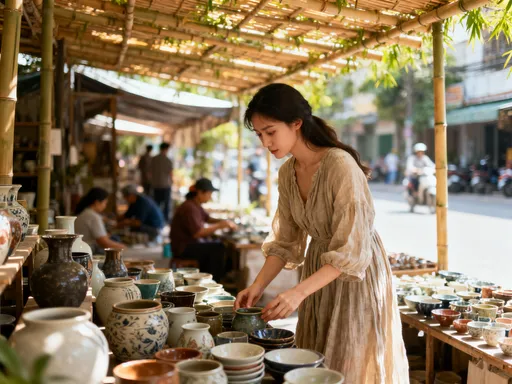
Art in Kandy is not confined to galleries or workshops—it spills into cafés, courtyards, and boutique guesthouses where comfort and creativity coexist. These spaces are often run by locals who see hospitality as an extension of cultural expression. Walls are lined with paintings by emerging artists, shelves display hand-thrown pottery, and music from traditional instruments plays softly in the background. One popular café near the city lake hosts weekly open-mic evenings, where poets, musicians, and storytellers gather under strings of lanterns. The atmosphere is warm and inclusive, with no pressure to perform—only the invitation to listen, to sip a cup of Ceylon tea, and to linger.
What makes these venues special is their ability to make art feel approachable. You don’t need to be an expert to appreciate the brushwork on a canvas or the rhythm of a folk song. The focus is on shared experience, not critique. Many of these cafés also offer quiet reading corners, filled with books on Sri Lankan history, poetry, and art. Travelers often find themselves returning day after day, not just for the coffee or the cool shade, but for the sense of calm these places provide. In a world that often equates leisure with consumption, these spaces remind us that true rest can be simple, meaningful, and beautiful.
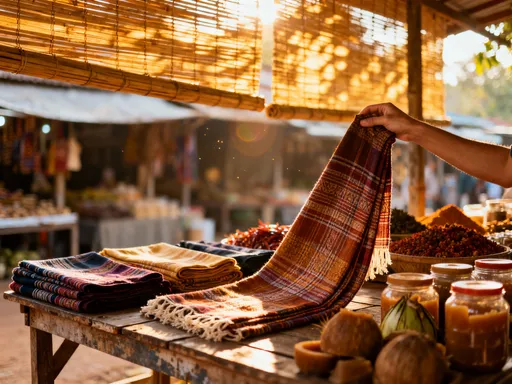
For family travelers and older visitors, these spots offer a gentle rhythm that matches their pace. Children might enjoy coloring books featuring traditional patterns, while adults unwind with a novel or a quiet conversation. Some courtyards even host small craft markets on weekends, where local women sell handmade jewelry, embroidered textiles, and natural soaps. These interactions are not transactional but relational—chances to learn a name, to hear a story, to feel connected. In these everyday moments, Kandy’s artistic spirit reveals itself not in grand gestures, but in the quiet details of daily life.
How to Find Your Own Art-Filled Pause in Kandy
Finding Kandy’s hidden art spots requires a shift in mindset—one that values slowness over speed, curiosity over checklist tourism. The most rewarding experiences often come not from guided tours but from wandering with intention. Start early in the morning, when the city is still cool and the light is soft. Visit the market lanes before the crowds arrive, or arrive at the botanical gardens as the gates open. These quiet hours offer the best chance to see artists at work, to hear the first drumbeats of rehearsal, or to find a bench in solitude.
When you encounter a mural or a small gallery, take a moment to simply observe. If an artist is present, ask permission before taking photos, and engage with respect. Many are happy to share the meaning behind their work, but only if approached with genuine interest. Consider joining a workshop—not to produce a perfect piece, but to experience the process. Let yourself be a beginner. The value lies not in the outcome but in the act of creating, of connecting, of being present.
Finally, allow room for the unplanned. Some of the most memorable moments in Kandy happen by chance: a dance performance in a courtyard you wandered into, a conversation with a painter in a quiet café, a child offering to show you how to fold a paper lotus. These are not experiences you can schedule, but they are the ones that stay with you. Kandy’s art is not a spectacle to consume but a rhythm to join. In its quiet creativity, in its blend of tradition and innovation, the city offers a different kind of leisure—one that does not distract from life but deepens it. True rest, it reminds us, is not found in doing nothing, but in doing something meaningful, something beautiful, something real.