You Won’t Believe What I Found Hiking the Hidden Trails of the Rhine Valley
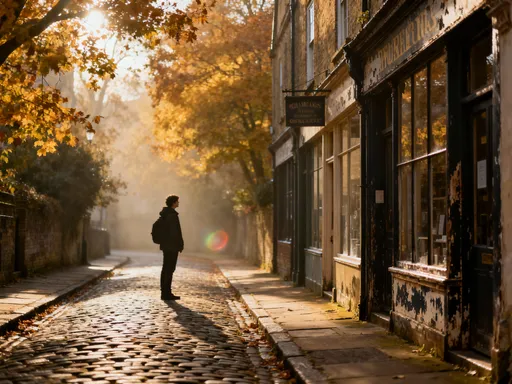
If you think the Rhine Valley is just castles and river cruises, think again. I stumbled upon a side of this German gem most tourists miss—remote trails, quiet vineyards, and villages frozen in time. This isn’t your average sightseeing run; it’s raw, authentic, and breathtakingly peaceful. Hiking through misty hills at sunrise, I felt like I’d discovered Europe’s best-kept secret. Let me take you where the guidebooks don’t. This journey is not about ticking off landmarks but about feeling the land breathe beneath your feet, hearing church bells echo over terraced slopes, and tasting wine where it grows—unhurried, unfiltered, unforgettable. The Rhine Valley, when seen on foot, becomes more than a destination; it becomes a living story.
Reimagining the Rhine: Beyond the Postcard Views
The Rhine River has long been celebrated for its romantic silhouette—stone fortresses perched high on cliffs, sleepy towns nestled in green folds, and cruise ships gliding like swans through the valley. These images dominate travel brochures and social media feeds, shaping how millions perceive this stretch of central Europe. Yet, for all its beauty, the river-level view offers only a fraction of the region’s soul. When experienced from a boat, the landscape remains at a distance, framed and fleeting. You see the castles, but not the roots of the vines that climb beneath them. You hear the tour guide, but not the whisper of wind through ancient forest trails.
What many travelers overlook is that the true essence of the Rhine Valley reveals itself not from the deck of a vessel, but from the quiet rhythm of walking. The trails that weave through the Middle Rhine region—spanning parts of Rhineland-Palatinate and Hesse—offer a deeper, more intimate connection to the land. Here, you trade engine noise for birdsong, crowds for solitude, and passive observation for active discovery. The shift is subtle but profound. Instead of watching history unfold along the riverbanks, you begin to feel it underfoot, in the worn stones of medieval pathways and the terraced hills shaped by centuries of human care.
This is niche exploration at its finest: not about chasing Instagram moments, but about immersion. It’s about pausing at a weathered wayside cross, reading the faded inscription, and wondering who last stopped here decades ago. It’s about rounding a bend and finding a chapel so small it fits no more than ten people, its bell tower tilting gently with time. These are not curated experiences; they are unscripted encounters with a landscape that has lived many lives. By stepping off the river route and onto the trails, you’re not just visiting the Rhine Valley—you’re engaging with it, one deliberate step at a time.
Why Hiking Unlocks the True Rhine Valley
Walking changes everything. The simple act of moving on foot alters how we perceive space, time, and beauty. On a river cruise, sights come at you in a steady stream—impressive, but transient. A castle appears, dazzles, and then recedes into the distance before you’ve fully absorbed it. Hiking, by contrast, allows for deep observation. Your pace matches the rhythm of nature. You notice the way morning light slants across vineyard rows, the texture of moss on a stone wall, the sudden scent of wild thyme crushed under your boots. These sensory details accumulate, forming a richer, more lasting impression than any photograph could capture.
The Middle Rhine region is home to over 600 kilometers of well-maintained hiking trails, each offering unique vantage points and experiences. Unlike river routes, which follow a single path, these trails branch into the hills, revealing elevated lookouts, forgotten ruins, and working farms that remain invisible from the water. From the Lorelei Rock’s panoramic summit to quiet forest paths above Rüdesheim, the trail network provides access to places where time moves slower and authenticity feels natural, not manufactured. These elevated perspectives transform how you understand the valley—not as a scenic backdrop, but as a lived-in, working landscape shaped by generations of vintners, builders, and families.
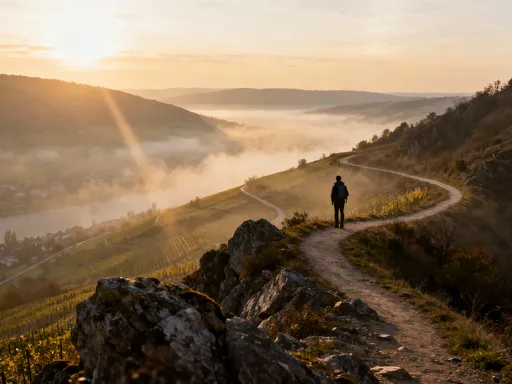
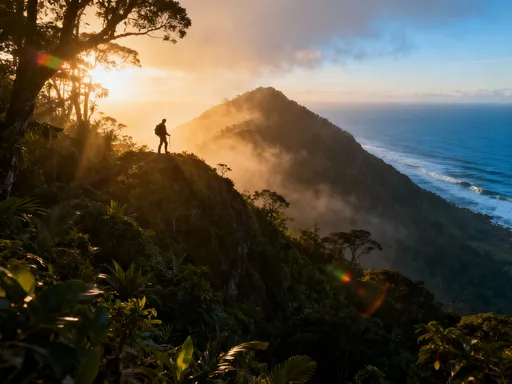
There is also an emotional dimension to hiking that passive tourism rarely provides. Moments of solitude on a ridge trail at dawn, with mist curling through the valley below, can feel almost sacred. An unexpected encounter—a farmer waving from his tractor, children laughing as they race down a village lane—carries more weight when you’ve earned the view through effort. The physical act of climbing a steep vineyard path makes the reward at the top more meaningful. You don’t just see the Rhine snaking through the valley; you feel it in your muscles, your breath, your gratitude. This embodied travel creates memories that linger long after the trip ends, rooted not just in sight, but in sensation and story.
Choosing Your Trail: Matching Experience to Expectation
One of the great strengths of the Rhine Valley’s hiking infrastructure is its diversity. Whether you’re a casual walker or an experienced trekker, there’s a trail suited to your ability and ambition. For beginners or those traveling with family, gentle riverside paths offer flat, scenic walks with frequent access to towns, cafes, and river ferries. These routes, such as the trail between St. Goar and Oberwesel, provide stunning views of the river and castles without demanding much physical effort. They’re ideal for easing into the rhythm of trail walking while still enjoying the valley’s iconic sights.
For those seeking a more challenging experience, ridge trails offer elevation, endurance, and unparalleled vistas. The Rheinsteig is one of the most celebrated long-distance routes in Germany, stretching approximately 320 kilometers from Bonn to Wiesbaden along the eastern bank of the Rhine. Known for its excellent signage—marked by a white “R” on a blue background—the trail traverses forests, vineyards, and dramatic limestone cliffs. Each section varies in difficulty, but the consistent quality of wayfinding makes it accessible even to independent hikers unfamiliar with the region.
When planning your hike, consider both the season and weather conditions. Spring, from March to May, brings mild temperatures and a burst of wildflowers—crocuses, anemones, and blooming fruit trees paint the hills in soft color. This is also a quieter time for tourism, meaning fewer people on the trails. Autumn, particularly September and October, is another excellent window. The vineyards glow in golden light, leaves turn fiery red and amber, and the air carries the sweet scent of fermenting grapes during harvest season. Summer can be warm, even hot, especially on exposed ridges, so early morning starts are advisable. Winter hikes are possible but require preparation for cold, wet, or icy conditions, particularly on higher trails.
For a balanced introduction, consider starting in towns like St. Goar or Bacharach, both of which are easily reachable by regional train and offer a mix of history, charm, and trail access. St. Goar, nestled beneath the imposing Rheinfels Castle, serves as a gateway to several challenging climbs, including the path up to the castle ruins, which rewards hikers with one of the best views in the valley. Bacharach, a picturesque half-timbered village, provides access to gentler vineyard trails and is perfect for combining a cultural stroll with a moderate hike. No matter your starting point, the trail system is designed to accommodate a range of preferences, ensuring that every hiker can find their own version of the Rhine’s magic.
A Day in the Life: My 12-Kilometer Trek from Boppard to Rheinbrohl
One of my most memorable hikes in the Rhine Valley began early in Boppard, a riverside town known for its Roman heritage and scenic loop in the river. I set out just after sunrise, the air crisp and dew still clinging to spiderwebs strung between grapevines. My route followed the Rheinsteig southward, climbing steadily through a mixed forest of oak and beech before emerging onto sun-drenched terraces where Riesling grapes ripened on steep slopes. The trail was clearly marked, with fresh blue “R” signs at every junction, and the path surface—packed gravel and natural stone—was stable and well-maintained.
As I ascended, the sounds of the town faded, replaced by birdsong and the occasional rustle of a fox or deer in the underbrush. At one point, I paused at a wooden bench overlooking the Rhine, where a thin veil of morning mist hovered above the water like breath. Below, a single paddleboarder glided silently downstream, the only movement in an otherwise still world. It was a moment of pure stillness, one that could never be replicated from a crowded boat deck. Continuing upward, the trail narrowed, winding through a stand of ancient chestnut trees, their trunks gnarled and thick with age. Sunlight filtered through the canopy in golden shafts, illuminating patches of wild garlic and ferns carpeting the forest floor.
By mid-morning, I reached the Lorelei viewpoint, a rocky outcrop famous for its role in German legend and its commanding panorama of the river bend. From here, the Rhine curves dramatically, flanked by steep vineyards and crowned by castles like Pfalzgrafenstein and Katz. The view was breathtaking, but what struck me most was the silence—no engines, no loudspeakers, just the wind and the distant chime of a church bell from St. Goarshausen across the river. I sat for nearly half an hour, sipping water and watching a pair of kingfishers dart along the water’s edge.
The descent toward Rheinbrohl was equally rewarding, though steeper and more technical in places. The path cut through sections of exposed rock, requiring careful footing, but handrails and steps had been thoughtfully installed. Along the way, I passed the remains of a Roman signal tower, a small but evocative ruin that hinted at the valley’s long strategic importance. Near the end of the hike, I stumbled upon a tiny Wanderimbiss—a seasonal trailside food shack—where a local couple served homemade apple strudel and fresh coffee. There were no menus, no prices posted—just trust and hospitality. I paid what felt right and sat on a log, savoring the warmth of the drink and the satisfaction of a journey well walked. The entire hike covered about 12 kilometers, took just under five hours with breaks, and left me invigorated rather than exhausted—a testament to the trail’s thoughtful design and the restorative power of the landscape.
Beyond the Path: Connecting with Local Culture on Foot
Hiking in the Rhine Valley does more than reveal scenery; it opens doors to authentic human connections. When you travel slowly, on foot, you become visible and approachable in a way that car or boat travelers are not. Farmers pruning vines pause to nod or wave. Shopkeepers in small villages glance up with curiosity when they see a hiker dusted with trail dirt. These small interactions add depth to the journey, transforming it from a visual tour into a cultural immersion.
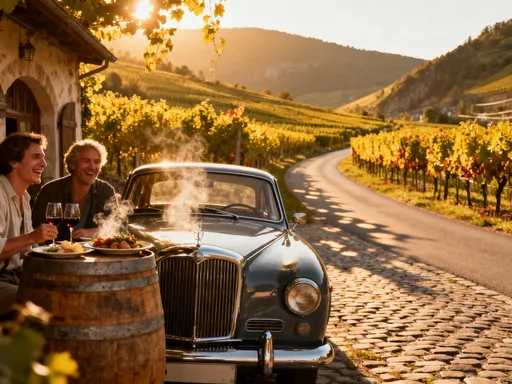
One afternoon, after a long descent from the Holzgarten ridge, I found myself in the village of Lorch. My legs were tired, my water bottle nearly empty, and the sun was high. I spotted a modest sign for a family-run winery tucked between two half-timbered houses. No tour buses, no gift shop—just a wooden table set under a grape arbor. I hesitated, unsure if visitors were welcome, but an elderly woman stepped out, smiled, and gestured for me to sit. In halting English, she introduced herself as Frau Weber, one of three generations tending the vineyard. She brought out a tray with two small glasses of chilled Riesling and a plate of local cheese and bread. “You walked?” she asked, impressed. “Then you’ve earned this.”
As we sat together, she shared stories of her grandfather planting the vines I had just passed on the hillside, of harvest festivals that have been celebrated in Lorch for over a century, of the delicate balance between sun, rain, and soil that makes their wine special. It was not a commercial tasting but a moment of genuine hospitality—one that could only happen because I had arrived not by car, but by effort and intention. That glass of wine tasted different: not just of fruit and terroir, but of pride, tradition, and welcome.
This is the deeper gift of hiking: it fosters appreciation. When you’ve climbed the same slopes that vintners walk daily, when you’ve felt the steepness of the terrain and the weight of the sun, you understand their work in a visceral way. You’re no longer just a consumer of culture; you’re a participant in its rhythm. Many hikers enrich their experience by pairing trail days with small cultural moments—visiting a medieval wine cellar in Rüdesheim, attending a local festival in Oberwesel, or learning to identify grape varieties from a vineyard worker. These are not add-ons; they are natural extensions of the journey, made possible by the slow, attentive pace of walking.
Practical Tips for a Smooth & Safe Adventure
To fully enjoy the Rhine Valley’s trails, preparation is key. While the routes are well-developed, the terrain can be demanding, and weather conditions change quickly in the valley’s microclimates. The right gear makes a significant difference in comfort and safety. Footwear is the most critical choice: for easy riverside paths, lightweight trail runners may suffice, but for ridge hikes like the Rheinsteig, sturdy hiking boots with good ankle support and grip are recommended. The steep, sometimes slippery vineyard paths—often made of loose scree or packed earth—require reliable traction, especially after rain.
Navigation tools are equally important. While trail markers are generally excellent, carrying a backup is wise. Offline maps on a smartphone—using apps like Komoot or Outdooractive—provide real-time location tracking and route details. The official Rhine Valley Hiking App, available in English and German, includes trail difficulty ratings, elevation profiles, and points of interest. Still, a paper map and compass should not be overlooked, particularly for longer or more remote sections where battery life or signal may be unreliable.
Packing light but smart is the ideal approach. A daypack with 20–30 liters capacity is sufficient for most hikes. Essential items include at least two liters of water—more in summer—high-energy snacks like nuts or energy bars, and layered clothing to adapt to changing temperatures. Mornings can be cool, even in summer, while midday sun on exposed ridges can be intense. A lightweight rain jacket is a must, as sudden showers are common. A small first-aid kit with blister treatment, antiseptic wipes, and pain relievers should also be included.
Safety considerations include understanding trail etiquette—yielding to uphill hikers, staying on marked paths, and respecting private property—and being mindful of daylight hours. Most trails are not lit, so starting early ensures you finish before dusk. Let someone know your route and expected return time, especially if hiking alone. Emergency services in Germany are accessible via the pan-European number 112, and trail maps often list local ranger stations. With these precautions in place, your hike becomes not just enjoyable, but secure—a seamless blend of adventure and peace of mind.
Why This Experience Changes How You Travel
Hiking the hidden trails of the Rhine Valley does more than show you a beautiful region—it changes your relationship with travel itself. The shift from passive sightseeing to active discovery is subtle but transformative. When you walk, you’re not just observing a place; you’re engaging with it. You feel the incline of the land, the texture of the air, the rhythm of village life. Your memory of the journey isn’t stored just in your camera roll, but in your body—in the ache of your calves after a long climb, the warmth of sun on your face, the taste of wine earned by miles of walking.
This is embodied travel: a way of knowing a place through direct experience rather than curated observation. It fosters a deeper respect for the landscapes we visit and the people who live there. It encourages mindfulness, presence, and gratitude. In a world where tourism often feels rushed and superficial, hiking offers an antidote—a chance to slow down, to listen, to truly see. The Rhine Valley, in this light, becomes more than a collection of castles and vines; it becomes a living, breathing entity that you’ve met on its own terms.
And once you’ve experienced travel this way, it’s hard to go back. You begin to seek out the quiet paths, the lesser-known trails, the moments that aren’t photographed or rated. You realize that the best journeys aren’t about how many places you see, but how deeply you feel them. The Rhine Valley, with its network of hidden trails and enduring beauty, invites you into this deeper mode of exploration. It reminds you that wonder doesn’t always lie on the beaten path—it waits just beyond it, in the rustle of leaves, the curve of a river, the kindness of a stranger who offers you wine because you walked far enough to earn it.
So wherever your travels take you, consider stepping off the platform, out of the car, away from the crowd. Let the trail guide you. Let the landscape speak. And discover, as I did, that the world reveals its truest self not to those who pass through quickly, but to those who walk with intention, one quiet step at a time.