You Won’t Believe These Hidden Spots Along Iceland’s Golden Circle
The Golden Circle in Iceland is famous for its explosive geysers, thundering waterfalls, and tectonic rifts—but there’s a quieter, more personal side to this well-trodden route. Beyond the tour buses and selfie sticks, I discovered intimate geothermal pools, secluded viewpoints, and cozy cafes where locals unwind. These hidden leisure spots transformed my trip from a checklist into a soulful escape. If you’re craving authenticity beyond the postcard sights, you gotta check this out. This journey isn’t just about ticking off famous landmarks; it’s about slowing down, tuning in, and discovering how Icelanders themselves find peace and warmth in one of the world’s most dramatic landscapes. The real magic of the Golden Circle isn’t always in the brochure—it’s in the moments between destinations, in the stillness, and in the quiet corners only those willing to wander a little farther ever experience.
Reimagining the Golden Circle: More Than Just Tourist Stops
The Golden Circle is often reduced to three headline acts: Þingvellir National Park, the Geysir geothermal area, and Gullfoss waterfall. These are, without question, spectacular. Yet treating them as the sole purpose of the route risks turning the experience into a hurried procession of photo ops rather than a meaningful connection with Iceland’s land and culture. Millions visit each year, many on day trips from Reykjavík, following a well-worn script that leaves little room for spontaneity. But there’s another way to travel this path—one that prioritizes presence over productivity, and calm over crowds.
What if, instead of rushing from site to site, you allowed yourself to linger? What if the journey itself became the destination? Along the 300-kilometer loop, tucked between volcanic ridges and glacial rivers, are countless understated spots where locals go to breathe, reflect, and recharge. These are not listed on most tour itineraries, but they are essential to understanding the Icelandic relationship with nature. Here, leisure isn’t passive—it’s an act of respect, a way of grounding oneself in a landscape that demands both awe and humility.
Reimagining the Golden Circle means shifting from a checklist mindset to a sensory one. It means noticing the steam rising from a crack in the earth long after you’ve left the Geysir area, or pausing at a roadside pull-off where wild horses graze against a backdrop of snow-dusted peaks. It means understanding that Icelanders don’t just visit nature—they live within it, and they’ve cultivated quiet rituals to honor that bond. By adopting a slower pace and seeking out these unmarked moments, travelers can transform a standard tour into a deeply personal journey.
A Soak with a View: Secret Geothermal Retreats Near Haukadalur
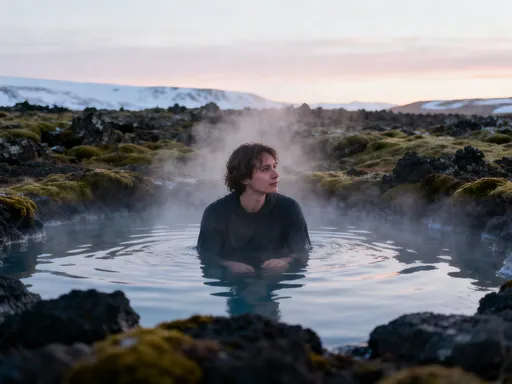
Just a short detour from the bustling Geysir site, where Strokkur erupts every few minutes to the delight of onlookers, lie quiet geothermal pools known mostly to locals and a few intrepid travelers. These natural soaks are not commercial spas. They lack changing rooms, ticket booths, or crowds. Instead, they offer something rarer: solitude, raw beauty, and water heated directly by the Earth’s core. Nestled within moss-covered lava fields, these pools are fed by underground springs rich in minerals, creating a warm embrace that feels both healing and humbling.
One such spot is a small, spring-fed pool tucked along a faint trail near the edge of the Haukadalur Valley. The water temperature hovers around 38°C (100°F), perfect for soaking even when snow dusts the surrounding rocks. Steam curls into the crisp air, and the only sounds are the occasional drip of water and the distant hiss of geothermal vents. There’s no signage, no facilities—just a sense of discovery. Visitors are expected to follow the unspoken rules of Icelandic hot spring etiquette: shower before entering, avoid loud noises, and leave no trace. These practices ensure that these delicate sites remain pristine and accessible.
Another hidden soak can be found near a lesser-known fissure where warm water seeps to the surface, forming a shallow pool surrounded by bright green moss and black volcanic stone. It’s not deep enough for swimming, but it’s ideal for sitting with your back against a warm rock, feet submerged, and eyes tracing the horizon where sky meets mountain. Unlike the Blue Lagoon or even the more remote Secret Lagoon, these spots are free, unregulated, and unadvertised—treasures preserved by discretion and respect.
Accessing these pools requires a bit of research and responsible travel habits. While GPS coordinates for some are shared in travel forums, it’s best to seek guidance from local guesthouses or visitor centers that promote sustainable tourism. Always check weather and road conditions, especially in winter, and never disturb the fragile moss or vegetation. The reward for this care is an experience that feels deeply authentic—a quiet communion with nature that no crowded spa can replicate.
Coffee Culture in the Middle of Nowhere: Hidden Cafes That Warm the Soul
Along the rural stretches of Route 35 and its connecting roads, far from the main tourist hubs, small cafes operate like oases in a vast, open landscape. These are not chain establishments, but family-run spots where coffee is strong, pastries are homemade, and conversation flows slowly. One such cafe, located in a repurposed schoolhouse near Laugarvatn, offers panoramic views of rolling highlands through large windows framed by hand-knit curtains. The owner, a former teacher, still refers to the rooms by their old names—“the science lab” and “the art corner”—adding a touch of nostalgia to the warm atmosphere.
Here, travelers can order a rich Icelandic coffee—often brewed from beans roasted in Reykjavík—paired with a rye bread cake or a cardamom bun fresh from the oven. The menu is simple, seasonal, and made with local ingredients: skyr for breakfast, lamb soup in winter, and wild bilberries in summer. But the real nourishment comes from the human connection. Locals stop by for a midday break, sharing stories in Icelandic while tourists sip in quiet appreciation. There’s no rush, no pressure to turn over tables. Time moves differently here.
Another beloved stop is a sheep farm cafe near Flúðir, where visitors are welcomed into a cozy kitchen filled with the scent of baking. The family raises sheep for wool and meat, and their cafe doubles as a small shop selling hand-knitted woolens and jarred preserves. Children might be seen feeding lambs in the yard while guests enjoy hot chocolate topped with whipped cream, served in mismatched mugs. It’s not just a meal—it’s a glimpse into rural Icelandic life, where self-sufficiency and hospitality go hand in hand.
These cafes are rarely marked on major navigation apps, and some operate only during peak season or by appointment. Finding them requires a willingness to explore side roads and follow handwritten signs. But the effort is worth it. In a country where winters are long and darkness stretches for months, these warm, light-filled spaces are more than just places to eat—they are sanctuaries of comfort and connection. For travelers, they offer a chance to pause, reflect, and feel the quiet generosity that defines so much of Iceland’s spirit.
The Quiet Side of Þingvellir: Finding Solitude in a National Park
Þingvellir National Park is one of Iceland’s most significant historical and geological sites, renowned as the location of the world’s oldest existing parliament and the visible rift between the North American and Eurasian tectonic plates. Yet, for all its grandeur, the park is often crowded, especially along the popular Silfra fissure path where snorkelers and hikers converge. But beyond these well-trodden trails, Þingvellir reveals a quieter, more contemplative character—one that rewards those who wander off the main routes.
Along the northern shores of Lake Þingvallavatn, the largest natural lake in Iceland, forested paths wind through birch groves and past ancient stone walls. Here, the sound of wind through leaves replaces the chatter of tour groups. Benches placed at scenic overlooks invite stillness. One such spot, overlooking a calm inlet where ducks glide across glassy water, feels a world away from the park’s main entrance. Early in the morning, mist rises from the lake, and the only movement comes from a distant swan or a curious Arctic fox darting through the underbrush.
Another lesser-known trail follows the edge of the Almannagjá gorge, offering dramatic views without the crowds. While most visitors stay near the main viewpoint, a short extension leads to a secluded ledge where you can sit and listen to the wind echo through the canyon. The scale of the rift becomes more profound in silence, reminding you of the immense geological forces at work beneath your feet. It’s a place that encourages reflection—not just on Iceland’s history, but on your own place within the natural world.
Timing is key to experiencing Þingvellir’s solitude. Arriving at dawn or staying past sunset transforms the park. The light changes everything: golden in the morning, soft and blue in the evening. Without the noise of buses and guided groups, the park feels alive in a different way. Birds call, water trickles down mossy rocks, and the lake reflects the sky like a mirror. These twilight hours turn Þingvellir from a sightseeing stop into a sanctuary—a place where history, nature, and personal reflection converge.
Off-the-Beaten-Path Picnic Spots: Where Locals Recharge
In Iceland, the tradition of packing a picnic and heading into nature is deeply rooted. It’s not just about saving money or convenience—it’s a way of slowing down and savoring the landscape. Along the Golden Circle route, locals know dozens of informal picnic spots, many of which are invisible to the casual traveler. These are not designated parks with grills and trash cans, but quiet pull-offs, riverbanks, and volcanic plateaus where a simple meal becomes a ritual of mindfulness and connection.
One favorite among families is a sheltered bend along the Hvítá River, just north of Gullfoss. A cluster of foldable tables and benches sits under a natural windbreak of lava rock, offering protection from the frequent gusts that sweep across the highlands. From here, you can watch the river flow toward the falls, its white rapids glinting in the sun. Visitors often bring thermoses of soup, flatbread sandwiches, and sweet pastries—simple fare that tastes extraordinary in the crisp air.
Another hidden gem is a highland plateau near the Kerið crater, where a small wooden sign—easily missed—points to a trail leading to a grassy clearing with panoramic views. This spot is especially popular in summer, when wildflowers bloom and the midnight sun casts a golden glow well into the night. Locals spread out blankets, play cards, or simply lie back and watch the clouds. It’s a place for laughter, storytelling, and quiet contemplation.
Responsible picnicking is essential. Iceland’s fragile ecosystem depends on careful stewardship. Travelers are encouraged to pack out all waste, avoid trampling moss, and never light fires outside designated areas. Many bring reusable containers and cloth napkins, following the local principle of “leave no trace.” When done mindfully, a picnic becomes more than a meal—it becomes an act of respect for the land and a celebration of slow living. Sharing food in such a setting fosters gratitude and presence, turning a brief stop into a cherished memory.
Twilight Moments: Experiencing the Golden Circle After Dark
When the last tour bus departs and the parking lots empty, the Golden Circle undergoes a quiet transformation. The daytime energy fades, and a deeper stillness settles over the landscape. This is when the land reveals a different kind of beauty—one defined not by visibility, but by sensation. Standing at Gullfoss after dark, with only the moon and a few stars above, you hear the waterfall in a new way: not as noise, but as a continuous, resonant hum that vibrates through the ground. The mist rises like breath, and the cold air sharpens every sense.
At the Geysir site, eruptions take on a mystical quality under starlight. The sudden burst of steam and water feels more dramatic, almost ceremonial, when it occurs in silence. There are no gasps from the crowd, no camera shutters—just the natural rhythm of the Earth asserting itself. With a flashlight or headlamp, you can move carefully along the boardwalks, respecting the barriers while absorbing the quiet power of the geothermal field. The ground is warm beneath your boots, a reminder that this is a living, breathing landscape.
Driving at night along the Golden Circle requires caution, especially in winter when roads can be icy and visibility low. But for those prepared with proper clothing and a reliable vehicle, the rewards are profound. The lack of light pollution makes stargazing exceptional. On clear nights, the Milky Way arcs across the sky, and if you’re lucky, the northern lights may dance above the mountains. These celestial displays are best seen from open areas like the plains near Laugarvatn or the highland roads branching off Route 35.
Dressing warmly is non-negotiable. Layers of wool, insulated jackets, and thermal boots are essential, even in summer, when nighttime temperatures can drop near freezing. But the discomfort is brief, and the payoff is lasting. Nighttime exploration fosters a sense of intimacy with the land—fewer distractions, fewer people, just you and the elements. It’s in these quiet hours that the Golden Circle feels most authentic, most alive, and most generous in its offerings.
Putting It All Together: Designing a Leisure-First Itinerary
Most Golden Circle tours are designed for efficiency: leave Reykjavík at 8 a.m., hit all three major sites by 5 p.m., return by nightfall. But a more fulfilling approach is to slow down and design a two-day itinerary centered on relaxation, discovery, and personal rhythm. This isn’t about seeing more—it’s about feeling more.
Day one could begin with an early visit to the Geysir area, arriving before the crowds. After witnessing Strokkur’s eruptions, detour to a nearby natural hot spring for a quiet soak. By late morning, head to a family-run cafe for coffee and a pastry, then continue to Þingvellir. Instead of following the main path, explore the lakefront trails, pausing at secluded benches for reflection. Spend the late afternoon at a picnic spot, enjoying a simple meal while watching the light change. End the day with twilight viewing at Gullfoss, then stay overnight in a countryside guesthouse with views of the stars.
Day two can be even more unhurried. Begin with a sunrise walk near Kerið crater, where the red volcanic rock glows in the morning light. Visit a sheep farm cafe for breakfast, then spend the midday hours at a lesser-known geothermal pool or simply reading by a river. In the afternoon, drive scenic backroads, stopping at any spot that calls to you. As evening falls, find a safe, open area for stargazing. There’s no need to rush back—this journey is not measured in kilometers, but in moments of peace.
The key to this itinerary is flexibility. Let the weather, your energy level, and your curiosity guide you. Keep your vehicle comfortable with blankets, snacks, and good music. Allow time for unplanned discoveries—a conversation with a local, a sudden rainbow over a lava field, the sound of birds at dawn. By prioritizing leisure over speed, you align with the Icelandic way of being in nature: not as a conqueror, but as a guest. The Golden Circle becomes not just a route, but a rhythm—a way of traveling that nourishes the spirit as much as the eyes.
The Golden Circle doesn’t have to be rushed. By seeking out hidden leisure venues—quiet pools, family cafes, secret benches—we reclaim travel as a restorative act. These moments of stillness don’t distract from the journey; they become its heart. In Iceland, where nature speaks in whispers and rumbles alike, the best memories aren’t made in crowds, but in the calm between the cracks. Slow down. Listen. Let the land surprise you.