This Is Why Kingston’s Public Spaces Are Pure Instagram Gold
You know that feeling when a city surprises you? Kingston, Jamaica, hit me like a visual thunderbolt. I came for the music, stayed for the murals. From sunlit plazas to vibrant street art zones, every corner felt like a curated photo op. These aren’t just sidewalks and squares—they’re living galleries. Public spaces here don’t just connect neighborhoods; they ignite culture, color, and connection. And yeah, your feed will thank you. What makes Kingston’s urban landscape so visually magnetic isn’t just its tropical light or bold hues—it’s the way public life unfolds so openly, so joyfully, in shared spaces. This is a city that wears its soul on its streets, where design, art, and community converge in ways that feel both authentic and effortlessly photogenic. Whether you’re a casual visitor or a seasoned traveler, Kingston offers a masterclass in how public spaces can become cultural landmarks.
The Soul of the City: Kingston’s Public Spaces as Cultural Stages
Kingston’s public spaces are not mere afterthoughts in the city’s urban planning—they are central to its identity. Places like Emancipation Park and Victoria Park serve as cultural anchors, where music, movement, and memory come alive under open skies. Emancipation Park, nestled in the New Kingston district, is a green oasis designed with intention. Its sweeping curves and native landscaping honor the legacy of freedom, while its open lawns and shaded walkways invite gatherings, yoga sessions, and weekend picnics. The park’s centerpiece, a striking sculpture symbolizing liberation, draws both reverence and admiration, often serving as a backdrop for quiet reflection or family portraits.
Unlike tourist-centric plazas in other cities, Emancipation Park pulses with local rhythm. On any given afternoon, you might encounter a group of teenagers rehearsing a dance routine, a poet hosting an open mic, or elders sharing stories on shaded benches. The energy is organic, never performative. This authenticity translates powerfully into photographs—candid moments of laughter, stillness, and connection that capture the true spirit of Kingston. Victoria Park, located in the heart of the city, offers a similar blend of serenity and social vitality. Once a cricket ground, it has evolved into a multi-use space hosting fitness classes, art fairs, and community markets. Its wide-open fields and tree-lined paths create natural framing opportunities, with sunlight filtering through the canopy to dapple the ground in soft patterns.
What sets these spaces apart is their dual function: they are both sanctuaries and stages. Residents don’t just pass through—they inhabit them. The foot traffic is steady but never overwhelming, allowing for unhurried exploration and thoughtful photography. Benches are occupied not by commuters waiting for buses, but by people engaging in conversation, reading, or simply watching the world go by. This sense of presence—of being fully in the moment—adds emotional depth to any image. Moreover, the city’s investment in maintaining these areas signals a commitment to public well-being. Clean pathways, functioning fountains, and visible security contribute to a feeling of safety and care, encouraging more people to use and enjoy the spaces. In a world where urban centers often prioritize commerce over community, Kingston’s parks stand as quiet declarations of what cities can—and should—be.
Street Art That Speaks: Murals as Visual Storytelling
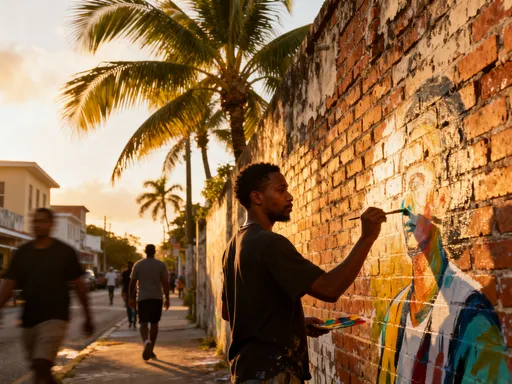
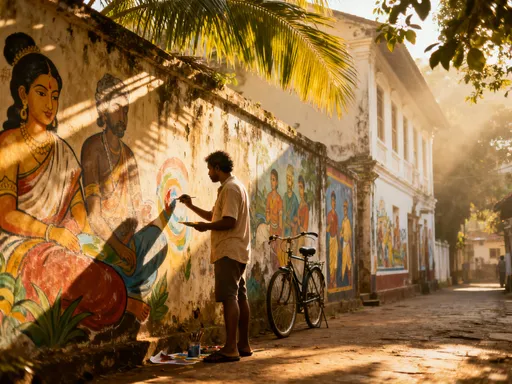
If Kingston’s parks are its lungs, its murals are its voice. Across downtown neighborhoods, walls have become canvases for powerful visual narratives. This is not graffiti in the sense of vandalism, but a sanctioned, celebrated form of public art that transforms forgotten facades into vibrant testaments of identity. Artists from local collectives and international collaborations have painted stories of resistance, resilience, and cultural pride across districts like Orange Street, Parade, and Harbour View. These murals do more than beautify—they educate, inspire, and provoke thought, turning the city into an open-air museum accessible to all.
One of the most iconic stretches is along Orange Street, once a hub of Jamaica’s music industry and now a corridor of artistic rebirth. Here, a massive mural of Bob Marley gazes out over the street, his image rendered in bold strokes of red, gold, and green. Nearby, other works depict historical moments—the 1838 emancipation, the rise of Rastafari, the struggles of urban life—with a rawness that feels both personal and collective. The colors are intense, often using the tropical palette of the island: deep indigo skies, sunflower yellows, and the rich green of the Blue Mountains. These hues don’t just catch the eye—they resonate emotionally, creating images that linger in memory and on screens.
What makes these murals so effective as photographic subjects is their scale and context. They are not isolated artworks tucked into galleries but integrated into the urban fabric. A vendor sells fresh coconuts in front of a mural of Marcus Garvey; schoolchildren walk beneath a painted tribute to Jamaican Olympians. This interplay between art and life creates dynamic compositions—layers of meaning that unfold in a single frame. Photographers benefit from the high contrast between the vivid murals and the weathered textures of the buildings, allowing for dramatic lighting and depth. Moreover, many of these works are located in pedestrian-friendly zones, meaning you can take your time framing shots without the distraction of heavy traffic.
The social media appeal is undeniable. A well-composed photo of a mural with a local element—a bicycle leaning against the wall, a child pointing at the image—can generate thousands of likes and shares. But beyond the metrics, these images carry cultural weight. They introduce global audiences to Jamaican history and values, challenging stereotypes and showcasing the island’s creative intellect. For visitors, capturing these murals is not just about aesthetics—it’s about participating in a dialogue, one painted in broad strokes across the city’s walls.
Market Life in Full Frame: From Devon House to Coronation Market
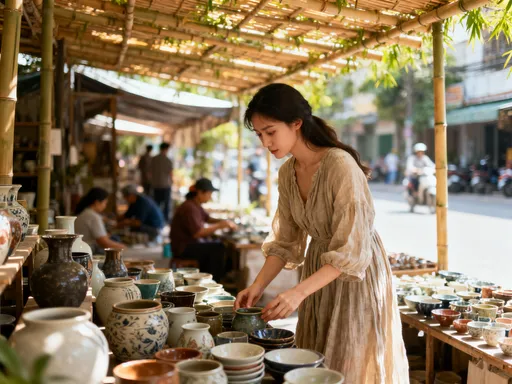
No visit to Kingston is complete without stepping into the rhythm of its markets—vibrant, sensory-rich spaces where commerce and culture collide. Coronation Market, one of the largest in the Caribbean, is a feast for the eyes and a goldmine for photographers. Spread across several blocks in downtown Kingston, it operates daily, but peaks on weekends when farmers from the countryside arrive with fresh produce. Rows of pineapples stacked like golden pyramids, mounds of allspice berries, and baskets overflowing with callaloo create a kaleidoscope of color and texture. The light here is unpredictable—filtered through tarps, bouncing off metal carts—but that very unpredictability lends authenticity to the images.
What makes Coronation Market so visually compelling is the human element. Vendors, mostly women in bright headwraps, sit behind their stalls with a quiet dignity, their faces lined with stories. A customer picks up a mango, tests its ripeness, and hands over a few coins—a simple exchange, but one that, when captured at the right angle and light, becomes a portrait of everyday life. The movement is constant: porters balancing crates on their heads, shoppers weaving through narrow aisles, children darting between stalls. This kinetic energy translates into dynamic photographs—blurred motion against sharp details, or still moments of concentration amid the chaos.
In contrast, the Devon House Irie Experience offers a more curated take on Jamaican culture. Located in the upscale area of uptown Kingston, Devon House is a restored 19th-century mansion turned cultural destination. Its courtyard hosts a weekend market featuring artisanal goods—handmade soaps, woven baskets, and gourmet jerk sauces—presented in an orderly, aesthetically pleasing way. The lighting is soft, the backgrounds clean, making it ideal for polished, magazine-style photography. Yet even here, the soul of Jamaica remains present. Live reggae plays in the background, the scent of coconut oil and grilled patty fills the air, and conversations flow in melodic Patois.
Both markets, though different in tone, offer rich visual storytelling opportunities. Coronation Market excels in raw, documentary-style shots—images that feel urgent and real. Devon House, on the other hand, lends itself to lifestyle photography, where composition and color harmony take center stage. For photographers, visiting both provides a balanced narrative: the unfiltered pulse of the city and its refined cultural expression. And in both, the emphasis is on craftsmanship, heritage, and community—values that resonate deeply with audiences far beyond Jamaica’s shores.
Urban Design Meets Natural Light: Why Kingston’s Layout Is Photogenic
Kingston’s visual appeal is not accidental—it is shaped by geography, climate, and urban form. Nestled between the Blue Mountains and the Caribbean Sea, the city enjoys a unique interplay of light and shadow that enhances its public spaces. The tropical sun, intense and direct, bathes open plazas in golden tones during the early morning and late afternoon. This so-called “golden hour” is particularly magical in places like Emancipation Square and the waterfront promenade, where long shadows stretch across the pavement and the sky glows in hues of apricot and lavender.
The city’s topography adds depth and dimension to its visual landscape. Built on a series of hills and valleys, Kingston offers natural vantage points for wide-angle shots. A photograph taken from the elevated walkways near Hope Road can capture the sprawl of the city below, with rooftops, palm trees, and distant mountains forming a layered composition. The contrast between the urban grid and the surrounding greenery creates a striking visual tension—order meeting wildness, concrete meeting jungle. This duality is not just aesthetically pleasing; it reflects the city’s character: resilient, adaptive, and deeply connected to nature.
Architecturally, Kingston is a blend of colonial-era buildings, mid-century modern structures, and contemporary designs. This mix creates visual interest—ornate ironwork beside sleek glass facades, weathered stone next to bright murals. The play of textures enhances photographic depth, allowing for close-up details and wide vistas alike. In pedestrian zones like the recently revitalized downtown corridors, the absence of cars means photographers can move freely, set up tripods, and take their time without safety concerns. Benches, planters, and public art installations are strategically placed, offering natural framing devices and leading lines that guide the eye through the image.
Moreover, the city’s open spaces are designed with human scale in mind. Wide sidewalks, shaded alcoves, and communal seating encourage lingering and interaction—behaviors that translate into rich photographic content. Unlike cities where public areas feel cold or utilitarian, Kingston’s spaces are warm, inviting, and alive. This warmth is not just emotional; it’s literal, baked into the way sunlight hits a painted wall or reflects off a polished bench. For photographers, this means that even simple compositions—of a lone figure walking through a plaza, or a cluster of bicycles parked against a colorful backdrop—can carry emotional weight and visual impact.
The People Are the Filter: Authentic Moments Over Posed Shots
In the age of curated feeds and influencer aesthetics, Kingston offers something increasingly rare: authenticity. The true magic of its public spaces lies not in their design or color palette, but in the people who inhabit them. A photograph of an empty plaza might be beautiful, but it’s the woman selling roasted peanuts on a street corner, the group of men playing dominoes under a tree, or the child chasing a kite in the park that brings the image to life. These are not staged moments—they are slices of real life, unfolding naturally in shared spaces.
Respectful, observational photography is key to capturing this authenticity without intrusion. The best images often come from patience—waiting for the right moment, allowing scenes to develop organically. A vendor adjusting her hat in the sun, a dancer stretching before a performance, an elder smiling at a passing child—these are the moments that convey emotion and connection. They don’t require fancy equipment or perfect lighting; they require presence. And when shared, they invite viewers to see Kingston not as an exotic backdrop, but as a living, breathing community.
Spontaneity is everywhere. In downtown areas, impromptu sound system sessions erupt in the late afternoon, drawing crowds who dance with uninhibited joy. A street preacher delivers a rhythmic sermon that sounds like poetry, while nearby, a saxophonist plays a slow reggae tune. These performances aren’t for tourists—they’re part of the city’s cultural fabric. Capturing them on camera means embracing motion blur, uneven lighting, and unpredictable compositions. But these “imperfections” are what make the images compelling. They feel real, immediate, alive.
For photographers, especially women in the 30–55 age range who value meaningful travel experiences, these moments offer a deeper connection to place. They’re not just taking pictures—they’re bearing witness. And in doing so, they become part of the story, contributing to a more nuanced, respectful portrayal of Kingston. The city doesn’t need to be prettified; it simply needs to be seen, as it is.
Smart Shooting: Practical Tips for Capturing the Vibe
Capturing Kingston’s essence requires more than a good camera—it requires awareness, timing, and cultural sensitivity. The best light for photography is early morning, between 6:30 and 8:30 a.m., when the sun is low and the streets are quiet. This is an ideal time to photograph Emancipation Park or the waterfront without crowds. Late afternoon, from 4:30 to 6:30 p.m., offers the golden hour glow that enhances murals and market scenes. Midday light is harsh, but it can be used creatively—shooting in shaded areas or using it to create high-contrast black-and-white images.
While DSLRs offer control, smartphones are often the better choice in dynamic environments. Their discreet size allows for candid shots without drawing attention. Most modern phones have excellent portrait and night modes, useful for low-light market scenes or evening performances. A lightweight camera bag with a crossbody strap keeps gear secure in busy areas. A small tripod or stabilizer can help with long exposures in dimly lit alleys or for time-lapse shots of bustling markets.
Staying aware of surroundings is essential. While Kingston’s public spaces are generally safe during daylight hours, it’s wise to travel with a local guide or in groups, especially in downtown areas. Always ask permission before photographing individuals, particularly vendors or elders. A smile and a simple “May I take your picture?” in a respectful tone go a long way. In many cases, people will say yes—or even pose proudly. When photographing cultural events, be mindful of sacred or private moments; not every ritual is meant for public sharing.
To enrich your visual narrative, align your visit with local events. The Kingston Creative Art Walk, held monthly, brings artists, performers, and food vendors into public spaces, creating a festival-like atmosphere. The annual Reggae Month in February features concerts, exhibitions, and street activations that transform the city into a stage. These events provide layered, vibrant content that tells a fuller story of Kingston’s cultural life. By planning around them, photographers can capture not just places, but moments of collective joy and expression.
Beyond the Feed: Why These Spaces Matter Beyond Aesthetics
While Kingston’s public spaces are undeniably photogenic, their value extends far beyond social media appeal. They are vital to the city’s social fabric—spaces where community is built, culture is preserved, and resilience is practiced. Well-maintained parks, vibrant murals, and thriving markets are not just beautiful; they are indicators of civic pride and urban health. They signal that a city values its people enough to invest in shared spaces where everyone belongs.
In neighborhoods where economic challenges persist, these spaces offer refuge and opportunity. A mural project employs local artists. A market stall supports a family. A park hosts free fitness classes, promoting physical and mental well-being. These are not small things—they are acts of care, of resistance, of hope. When visitors photograph these spaces, they are not just documenting beauty; they are witnessing a city that chooses to uplift itself, one painted wall, one green space, one marketplace at a time.
Kingston stands as a model for urban centers worldwide. It shows that public spaces need not be afterthoughts or sterile plazas, but living, breathing extensions of community life. They can be stages for art, classrooms for history, sanctuaries for rest, and canvases for connection. And when photographed with intention and respect, they become more than images—they become invitations. Invitations to see, to understand, to appreciate. To recognize that beauty is not just in the light, the color, or the composition, but in the life that moves through it. So yes, your feed will thank you. But more importantly, your heart will.