What Happens When You Drive Through the Rhine Valley and Stop at Hidden Food Gems?
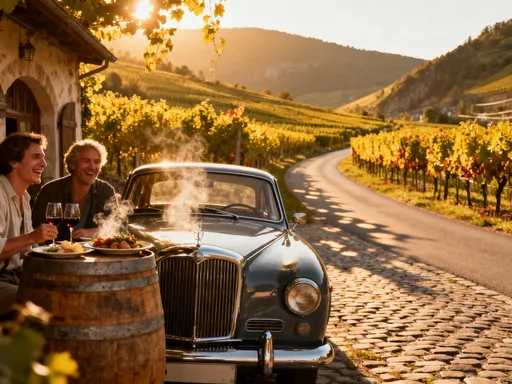
Imagine cruising along winding riverside roads, vineyards rolling into the horizon, and stumbling upon a tiny restaurant where the owner greets you like family. That’s exactly what happened on my self-drive trip through Germany’s Rhine Valley. Beyond the castles and postcard views, the real magic was in the food—local, slow-cooked, and full of soul. This journey wasn’t just about scenery; it was a deep dive into regional flavors you can only discover when you take the wheel and go off-script.
Why the Rhine Valley Is Perfect for a Self-Drive Food Adventure
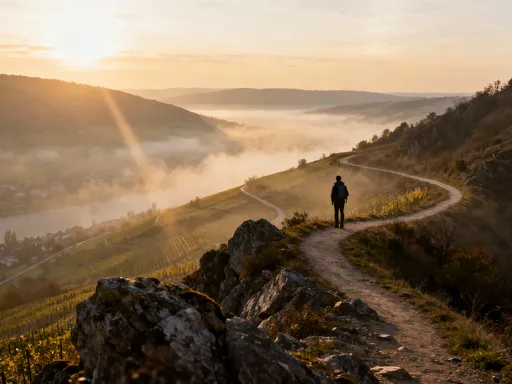
The Rhine Valley stretches for over 100 miles between Koblenz and Mainz, tracing one of Europe’s most iconic rivers through a landscape shaped by time, terrain, and tradition. Lined with terraced vineyards, medieval hilltop castles, and storybook villages with half-timbered houses, this region is not only visually captivating but also deeply rooted in culinary heritage. Driving through it offers an unmatched advantage: control. Unlike guided tours that follow fixed schedules and predictable stops, a self-drive journey allows travelers to pause wherever curiosity strikes—be it a roadside stand selling freshly pressed apple juice or a family-run tavern tucked behind a cobblestone alley.
What makes the Rhine Valley especially suited for such exploration is its well-maintained road network. The B9 federal highway runs parallel to the river on both banks, offering smooth, clearly marked routes with frequent pull-offs for photos and rest. Smaller secondary roads wind up steep hillsides to secluded villages, where life moves at a gentler pace and hospitality feels personal. These backroads are often inaccessible by public transportation, making a car essential for reaching the full spectrum of local experiences. GPS navigation works reliably throughout the region, though paper maps remain a charming backup for spontaneous detours.
Driving also opens the door to authentic human connections. In many small towns, restaurants and wine cellars are operated by multi-generational families who welcome guests with warmth and pride. Without the constraints of a tour bus timetable, visitors can linger over coffee, ask questions about ingredients, or accept an impromptu tour of a private cellar. These moments—unscripted and genuine—are impossible to schedule but unforgettable when they occur. The freedom to choose your own rhythm transforms a simple sightseeing trip into a meaningful cultural exchange.
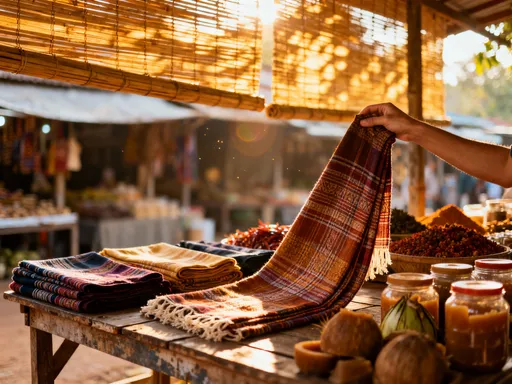
Additionally, the ability to shop at local markets enhances the food-focused traveler’s experience. Towns like Boppard, St. Goar, and Rüdesheim host weekly markets where regional produce, cheeses, and baked goods are displayed with care. With a rental car, it’s easy to pick up picnic supplies or ingredients to try cooking later. This flexibility elevates the journey from passive observation to active participation in daily life. For those seeking depth over speed, the Rhine Valley by car is not just convenient—it’s revelatory.
The Heart of Rhine Cuisine: What Makes It Unique
Rhine Valley cuisine reflects a harmony between land, climate, and centuries-old traditions. At its core is a reverence for seasonal ingredients, particularly those grown in the region’s fertile soil and steep slopes. Potatoes, cabbage, apples, and wheat form the foundation of many dishes, while river fish like pike and trout appear on menus in towns close to the water. But it is the integration of wine—especially Riesling—that truly defines the region’s culinary identity. Vineyards dominate the landscape, and winemaking is not merely an industry but a way of life passed down through generations.
One of the most beloved staples is Spätzle, a soft egg noodle often served alongside rich meat dishes such as Sauerbraten (marinated pot roast) or Zwiebelrostbraten (onion-topped beef). Unlike pasta, Spätzle is hand-scraped into boiling water, giving it a slightly irregular texture that absorbs sauces beautifully. Another signature dish is Flammkuchen, a thin-crusted tart originating from the nearby Alsace region but widely embraced in the southern Rhine. Topped with crème fraîche, onions, and smoked bacon, it’s baked in wood-fired ovens and best enjoyed with a glass of dry white wine.
Wine isn’t just a beverage here—it’s an ingredient. Riesling-braised pork or chicken, known locally as Rieslingpfanne, is a common comfort dish that highlights the acidity and fruitiness of the grape. Even desserts incorporate wine, such as Riesling poached pears or winesap compote made from pomace leftover from pressing. These recipes aren’t museum pieces; they’re living traditions prepared daily in home kitchens and village inns.
The rhythm of the year shapes what’s on the table. In spring, wild garlic (Bärlauch) appears in soups, pestos, and spreads. Summer brings strawberries, cherries, and asparagus, while autumn is celebrated with the grape harvest and the opening of temporary Straußwirtschaften—family-run wine stands permitted to sell their own wine and simple food for limited periods. These seasonal shifts ensure that no two visits feel the same. Each meal becomes a snapshot of the moment, rooted in nature’s cycle and community customs.
Route Planning: Scenic Drives That Lead to Great Meals
Planning a self-drive route through the Rhine Valley requires balancing beauty, logistics, and appetite. A recommended loop begins in Koblenz, where the Rhine and Moselle rivers converge, and follows the left bank south toward Mainz. This path covers the UNESCO-listed Middle Rhine, home to over 40 castles and some of the steepest vineyards in Germany. Alternatively, driving along the right bank offers fewer tourists and equally stunning views, with quieter villages ideal for unhurried dining.
Key towns to include are Bacharach, a picturesque wine village with cobbled lanes and timber-framed houses; Rüdesheim, known for its Drosselgasse entertainment street and coffee culture; and Lorch, a lesser-known gem where family wineries open their doors to travelers. Each stop offers distinct culinary opportunities. In Bacharach, visitors might enjoy a lunch of grilled trout and potato salad at a terrace overlooking the river. In Rüdesheim, a slice of Apfelwein (apple wine) cake paired with a local cider offers a sweet pause. Lorch’s intimate wine festivals allow guests to taste vintages straight from the barrel, often accompanied by cold cuts and bread.
Timing matters. The best months for a food-centered trip are late summer and early autumn, particularly September and October, when the grape harvest is in full swing. During this period, many winemakers open their cellars for tastings and meals, and temporary food stands appear in vineyard clearings. Weekdays are generally less crowded than weekends, allowing for more relaxed interactions with hosts. Early mornings are ideal for driving, as fog often lifts from the river by midday, revealing dramatic sunlit vistas.
To make the most of the journey, use digital tools wisely. While GPS ensures you won’t get lost, apps like Google Maps and TripAdvisor can help identify highly rated yet under-the-radar eateries. Look for places with consistent reviews praising homemade food and local wines. However, resist the temptation to over-plan. Some of the best discoveries happen by accident—like spotting a hand-painted sign for “Hausgemachte Marmelade” (homemade jam) or following the scent of roasting chestnuts in a village square. Letting serendipity guide part of the route keeps the adventure alive.
Hidden Dining Spots Only Drivers Can Reach
Some of the most memorable meals in the Rhine Valley happen far from guidebooks and Instagram hotspots. These experiences are found in places accessible only by car—quiet lanes leading to family cellars, hillside farms turning surplus produce into meals, and seasonal pop-ups that exist for just a few weeks each year. Among the most cherished are the Winzerkeller, or wine grower cellars, where vintners convert part of their underground storage into cozy dining rooms. These are not commercial restaurants but extensions of the home, often decorated with vintage wine labels, wooden barrels, and hand-carved furniture.
In villages like Nierstein or Nackenheim, a Winzerkeller might serve only four tables, offering a fixed menu based on what’s available that week. A typical meal could include a salad of garden greens, homemade sausages grilled over an open flame, Spätzle cooked in broth, and a selection of house wines. The host may pour each glass personally, explaining the vintage and terroir with quiet pride. There’s no menu in English, no online reservation system—just a chalkboard listing today’s offerings. This intimacy transforms dining into storytelling, where every bite carries context and connection.
Equally special are the farm-to-table moments found in rural hamlets. One might drive up a narrow road to a goat farm near Hattenheim and be invited to sample fresh cheese with honey from the apiary next door. Or stop at an orchard in the Rheingau region where apples are pressed into juice on-site and sold with warm pastries baked in a wood oven. These interactions are not performances for tourists; they’re glimpses into everyday life, made possible by the independence a car provides.
Perhaps the most delightful surprise is encountering a Straußwirtschaft. Legally permitted only to licensed wine producers, these temporary establishments operate for no more than two months per year and are often marked by a broom悬挂 outside the door (a traditional signal). Inside, long tables are set in a converted garage or garden shed, serving simple fare like bread with liver pâté, pickled vegetables, and slices of hearty bread. The wine is young, unfiltered, and served in half-liter glasses. There’s no frills, no branding—just honesty in every pour. Because they’re scattered and unlisted, finding one feels like uncovering a secret, a reward for wandering off the main road.
Practical Tips for a Smooth and Delicious Road Trip
A successful food-focused road trip through the Rhine Valley depends on preparation without over-planning. Start with the rental car: most international agencies operate in cities like Frankfurt and Cologne, offering both automatic and manual transmission vehicles. While manual cars are more common and often cheaper, automatics are available upon request. Given the hilly terrain and narrow village streets, a compact, fuel-efficient model is advisable. Ensure the vehicle has GPS or download offline maps via apps like Google Maps or HERE WeGo, which work well in rural areas with limited connectivity.
Parking in old towns can be challenging but manageable. Many villages have designated lots just outside the historic center, clearly marked with brown tourist signs. In Rüdesheim, for example, the Drosselgasse is pedestrian-only, but nearby garages offer hourly rates. Arriving early in the day increases the chance of finding a spot close to main attractions. Some wineries and farms provide private parking for guests, so it’s worth calling ahead if visiting a specific location.
Language barriers are minimal but present. While many Germans speak English, especially in tourist areas, rural restaurant staff may not. Familiarizing oneself with a few key German food terms—such as vegetarisch (vegetarian), Suppe (soup), Hauptgericht (main course), and Tageskarte (daily menu)—can ease communication. Translation apps like Google Translate work well when scanning menus, and pointing to dishes others are eating remains a universal strategy. When in doubt, ask “Was empfehlen Sie?” (“What do you recommend?”)—a question met with almost universal warmth.
Understanding local dining etiquette enhances the experience. Tipping is customary, typically rounding up to the nearest euro or leaving 5–10% for good service. Unlike in some countries, tips are not expected to be left on the table; instead, state the total amount you’d like to pay when settling the bill. For example, saying “Macht 25, bitte” when the bill is 23.50 signals a 1.50 euro tip. Reservations are recommended for dinner, especially on weekends or during harvest festivals, though lunch is usually first-come, first-served. Note that many restaurants close between 2:00 PM and 5:00 PM, and some do not open for dinner until 6:00 PM.
Finally, pack smart. While villages offer plenty to eat, long stretches between towns mean having water, snacks, and perhaps a thermos of tea can prevent hunger-induced stress. A small cooler bag is useful for transporting purchased wines, cheeses, or preserves back home. Travelers with dietary restrictions should carry a translation card explaining allergies or preferences. With these practical steps in place, the journey becomes not only enjoyable but seamless—a backdrop for discovery rather than distraction.
Balancing Castles and Cuisine: A Day-by-Day Taste of the Valley
A well-paced itinerary allows travelers to appreciate both the grandeur of the Rhine’s landmarks and the subtlety of its flavors. Consider a three-day journey starting in Koblenz. Day one begins with a visit to Ehrenbreitstein Fortress, accessible via cable car, followed by a riverside lunch in the town of Lahnstein at a family-run restaurant serving grilled bratwurst and potato pancakes. In the late afternoon, drive to Braubach and tour Marksburg Castle—the only hilltop fortress never destroyed in war. As evening falls, enjoy a wine tasting at a nearby vineyard, sampling dry Rieslings with a platter of local charcuterie.
Day two focuses on the heart of the Middle Rhine. After breakfast in Braubach, drive to St. Goar, stopping briefly in Boppard for coffee and a slice of walnut cake at a quiet café. Cross the river by ferry to St. Goarshausen and hike part of the Rheinsteig trail for panoramic views of the Lorelei Rock. Return for a leisurely lunch at a waterside inn, where pan-seared pike with lemon butter and boiled potatoes is served on blue-checked tablecloths. In the afternoon, continue to Bacharach, park near the city wall, and wander its lanes before dining at a Winzerkeller that night. The host, a seventh-generation vintner, shares stories of harvests past while pouring a crisp 2022 Riesling. This kind of personal encounter turns dinner into memory.
On day three, head south toward the Rheingau wine region. Stop in Rüdesheim for breakfast at a traditional coffee house famous for its Apfelwein cake and strong German coffee. Visit the Siebengebirge viewpoint for a final sweeping panorama of the valley. Then, drive to a small vineyard near Hattenheim for a private tour and tasting. The owner, delighted by the visit, invites you into the kitchen to sample homemade quark cheese with chives and freshly baked bread. There was no reservation, no website—just a conversation that led to generosity. These unplanned moments, made possible by the freedom of driving, often become the emotional core of the trip.
Throughout, food sets the rhythm. Mornings begin with buttery croissants and jam made from last summer’s plums. Midday meals are hearty but not rushed, allowing time to watch boats glide down the river. Evenings are for reflection, shared over glasses of wine and plates passed family-style. By integrating meals into the structure of the day, rather than treating them as interruptions, the journey feels cohesive and nourishing—body and soul.
Why This Kind of Travel Stays With You
Driving through the Rhine Valley with a focus on food is more than a vacation—it’s a form of slow living in motion. It invites travelers to engage with a place not as spectators but as participants. Seeing a castle from a distance is impressive, but sharing a meal with someone whose family has lived in its shadow for generations creates a different kind of understanding. It’s the difference between learning about a culture and feeling it in your bones. The tastes, the textures, the conversations—they accumulate into a deeper sense of connection.
Self-driving enables this depth. It removes the filters of curated tours and crowded viewpoints, allowing access to corners of life that remain untouched by mass tourism. A simple meal in a village cellar, a glass of wine offered after a long walk, a recipe shared with a smile—these are the moments that linger long after the photos fade. They remind us that travel is not about checking destinations off a list, but about opening ourselves to the unexpected.
Moreover, the act of slowing down fosters mindfulness. Instead of rushing from landmark to landmark, the car becomes a vessel for presence. Each turn of the road holds potential. Each stop is a choice to engage. When food becomes the compass, the journey gains purpose beyond sightseeing. It becomes sensory, emotional, and deeply human. The Rhine Valley, with its layered history and living traditions, rewards this kind of attention.
For women aged 30 to 55—many of whom balance caregiving, work, and personal aspirations—this kind of trip offers renewal. It’s not about luxury or extravagance, but about authenticity and reconnection. To sit at a wooden table, sipping wine grown in the hills above, and feel the warmth of genuine welcome—this is healing. It’s a reminder that joy can be found in simplicity, in the quiet moments between destinations.
So let the road guide you. Let hunger lead you to a nameless village tavern. Let curiosity take you up a winding lane with no map. The Rhine Valley is not just a drive—it’s a feast for the senses, a celebration of heritage, and an invitation to travel with heart. In a world that moves too fast, this kind of journey stays with you, not because of where you went, but because of how you felt when you were there.