You Won’t Believe These Hidden Art Spots in Provence
Provence isn’t just lavender fields and hilltop villages—its art scene is quietly revolutionary. I didn’t expect to stumble upon underground galleries in stone barns or open-air murals tucked behind vineyards. These spaces blend creativity with countryside charm in ways that feel personal, not polished. If you’re searching for authentic cultural moments beyond the tourist trails, Provence’s art spaces deliver. Let me show you where to go, what to look for, and how to experience them like a local.
Why Art in Provence Feels Different
Art in Provence carries a distinct emotional resonance, shaped by centuries of natural beauty, luminous light, and deep cultural layers. The region’s unique Mediterranean climate bathes the landscape in a golden clarity that has long drawn painters seeking to capture not just what they see, but how it feels. This interplay between light and land first attracted masters like Paul Cézanne, who found endless inspiration in the geometry of Montagne Sainte-Victoire near his hometown of Aix-en-Provence. His structured brushwork and emphasis on form laid the groundwork for modern art, and his legacy continues to influence how artists perceive space and perspective in this region.
Later, Vincent van Gogh arrived in Arles during the winter of 1888, where the intense southern sun transformed his palette. In just over a year, he produced more than 300 works, including iconic pieces like The Yellow House and Starry Night Over the Rhône. His emotional intensity, combined with the vividness of Provençal light, created a visual language that still echoes in contemporary art studios across the region. Today, many artists are drawn not only by the physical beauty of Provence but by its artistic lineage—a living thread connecting past and present.
What makes the current art scene so compelling is how it builds on tradition without being bound by it. Contemporary creators respond to the same landscapes that inspired Cézanne and van Gogh, but they interpret them through modern lenses—installations, mixed media, digital projections, and conceptual pieces that challenge perception. Yet even in experimental works, there remains a reverence for the land, a sense of dialogue between artist and environment. This continuity gives Provence’s art scene its soulful depth, distinguishing it from more commercial or urban art centers.
Moreover, the rural pace of life allows for a slower, more contemplative engagement with creativity. Galleries are often tucked into centuries-old buildings, their stone walls still holding the coolness of the earth. Exhibitions unfold at a human scale, inviting intimate encounters rather than hurried glances. Visitors are not just observers but participants in a quiet cultural rhythm—one that values presence, reflection, and connection. This atmosphere, rooted in both history and place, is what makes experiencing art in Provence uniquely moving.
Aix-en-Provence: Where Classic Meets Contemporary
Aix-en-Provence stands as one of Provence’s most enduring cultural hearts, a city where 17th-century fountains still trickle in tree-lined squares and artists’ studios hum with creative energy. While many travelers pass through on their way to nearby hilltop villages, those who linger discover a vibrant art ecosystem that honors its heritage while embracing innovation. At the center of this blend is the Musée Granet, a well-curated institution housed in a former convent. Its permanent collection includes works by old masters and modern icons, including paintings by Cézanne—a native son—alongside pieces by Picasso, Monet, and Soulages.
What sets Musée Granet apart is its rotating exhibition program, which often brings in international artists or explores unexpected thematic connections—such as the dialogue between classical sculpture and contemporary photography. These temporary shows attract serious art lovers and casual visitors alike, offering fresh perspectives without sacrificing scholarly rigor. The museum’s courtyard, with its neoclassical architecture and shaded arcades, provides a contemplative space to reflect after viewing an exhibition, reinforcing the idea that art is not isolated but part of a broader cultural and architectural experience.
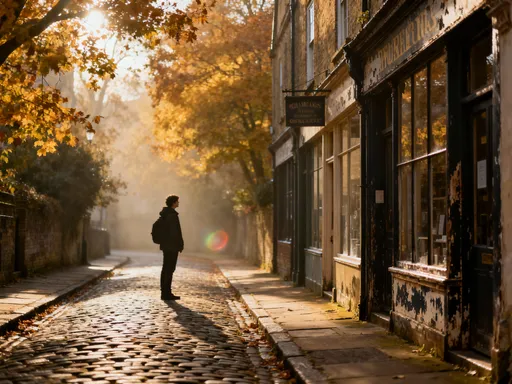
Yet the true magic of Aix’s art scene lies beyond its formal institutions. Scattered throughout the city’s cobblestone lanes are small, independent galleries and artist-run ateliers that offer a more personal encounter with creativity. Near the elegant Cours Mirabeau, for instance, tucked behind bookshops and cafés, are studios where painters, sculptors, and printmakers open their doors to the public. Some operate year-round; others are active only during summer months or special events.
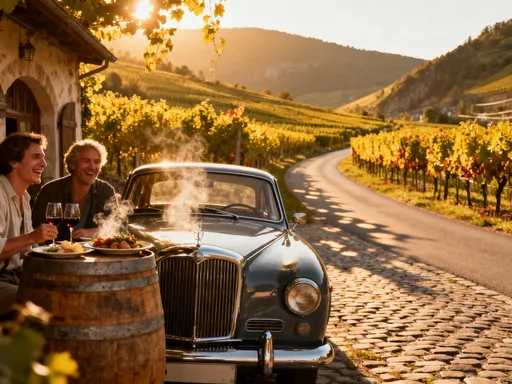
One of the best ways to experience this grassroots art culture is during the weekly Jeudis des Arts—an evening art walk held every Thursday from May through October. Local artists display their work in shop windows, courtyards, and pop-up spaces, transforming the city into an open-air gallery. Residents and visitors stroll with wine in hand, pausing to chat with creators and admire everything from abstract oils to delicate ceramic sculptures. These events foster a sense of community and accessibility, breaking down the barriers often associated with the art world. For the thoughtful traveler, timing a visit to coincide with these evenings offers a rare glimpse into the living pulse of Aix’s creative life.
Beyond Lavender: Discovering Rural Art Residencies
While lavender fields and panoramic vistas dominate the postcard image of Provence, a quieter artistic revolution is unfolding in its villages. In places like Menerbes, Gordes, and Bonnieux—perched high in the Luberon hills—old farmhouses, abandoned chapels, and converted stables now serve as homes for artist residencies and intimate exhibition spaces. These rural outposts provide not only sanctuary for creators but also unique opportunities for visitors to engage with art in deeply personal settings.
Menerbes, famously linked to Peter Mayle’s A Year in Provence, has long attracted writers and artists seeking solitude and inspiration. Today, several private estates host seasonal residency programs, some of which open their doors to the public during summer months. In one such space—a former olive press turned gallery—visitors can view site-specific installations that respond directly to the surrounding vineyards and terraced slopes. The artwork often incorporates natural materials: sun-bleached wood, local stone, or pigments made from regional earth, creating a seamless dialogue between creation and environment.
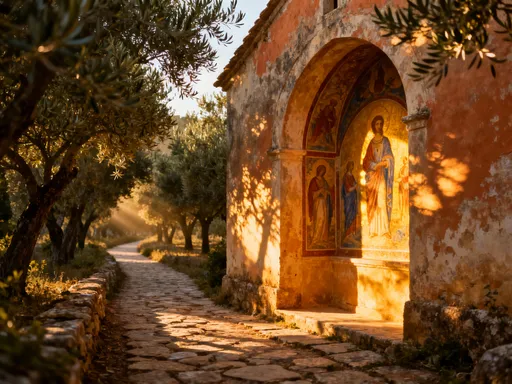
Gordes, with its dramatic silhouette against the Vaucluse plateau, offers another compelling example. The village is home to the Chapelle Sainte-Croix, a modest 12th-century chapel that now hosts rotating contemporary exhibitions. Unlike large museums, this space emphasizes intimacy and contemplation. Visitors move slowly through dimly lit rooms where light filters through ancient windows, illuminating sculptures or textile works in unexpected ways. The contrast between medieval architecture and modern art creates a powerful tension—one that invites deeper reflection on time, memory, and transformation.
Further south, in Bonnieux, a cooperative of local artists maintains a network of open studios during the warmer months. These spaces are often family-run, with artists working in close proximity, sharing tools and ideas. A visit here might include watching a potter shape clay at a wheel, then stepping next door to see a painter layering oils inspired by the morning light over the valley. The informal atmosphere encourages conversation, and many artists welcome questions about their process, materials, and inspiration. For families and individuals seeking meaningful cultural experiences, these rural residencies offer a rare chance to see art not as a finished product, but as a living, evolving practice.
Museums That Surprise: From Antiquity to Street Art
Provence is home to several museums that defy expectations, blending historical depth with bold contemporary expression. Among the most striking is the Fondation Vasarely in Aix-en-Provence, dedicated to the pioneering Op Art of Victor Vasarely. Housed in a striking modernist building designed by the artist himself, the foundation features over 500 works, including immersive optical installations that play with perception, color, and movement. What surprises many visitors is how accessible the experience feels—children delight in the shifting patterns, while adults appreciate the intellectual rigor behind the illusions. It’s a rare example of a museum that is both intellectually stimulating and viscerally engaging.
In Avignon, the Calvet Museum offers a different kind of revelation. Occupying a grand 18th-century mansion, it houses one of France’s oldest public art collections, with works spanning from antiquity to the 20th century. Its holdings include paintings by Corot, Courbet, and Chagall, as well as an impressive collection of Roman artifacts unearthed in the region. But what truly distinguishes the Calvet is its willingness to juxtapose old and new. Temporary exhibitions often place classical sculptures beside contemporary installations, creating unexpected dialogues across time. A marble bust from ancient Arles might stand in quiet conversation with a video projection exploring identity in the digital age—each piece gaining new meaning through contrast.
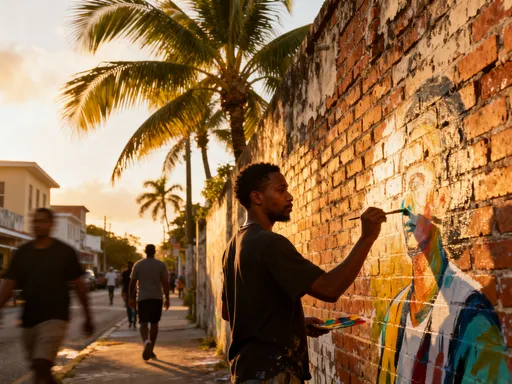
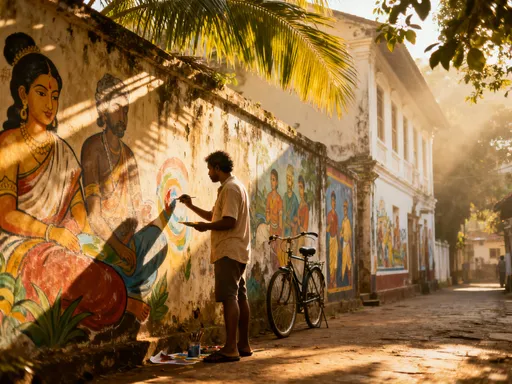
Equally fascinating is how some Provençal towns have embraced street art as a form of cultural expression without compromising their historic character. In Arles, for example, discreet murals appear on the backs of old buildings—works commissioned through the Luma Foundation, which supports experimental art in public spaces. These pieces are never garish or overwhelming; instead, they emerge subtly from weathered stone, adding layers of meaning to the urban fabric. One mural, depicting a single olive branch in muted grays and ochres, blends so seamlessly with its surroundings that it feels like a natural extension of the wall itself.
This integration of modern art into historic environments reflects a broader philosophy in Provence—one that values continuity and respect. Rather than imposing new forms onto old spaces, artists and curators seek harmony, allowing the past and present to coexist in quiet dialogue. For visitors, this means discovering art not in isolation, but as part of a living cultural landscape—one where every alleyway, courtyard, and façade holds the potential for surprise.
How to Find Off-the-Beaten-Path Studios
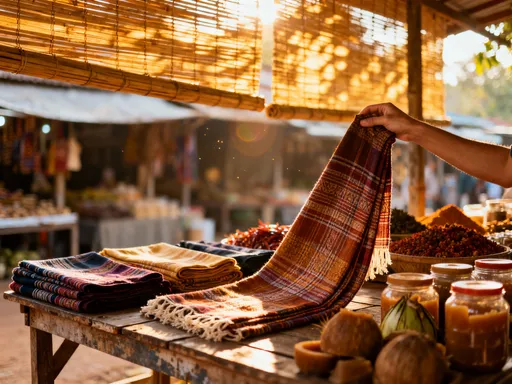
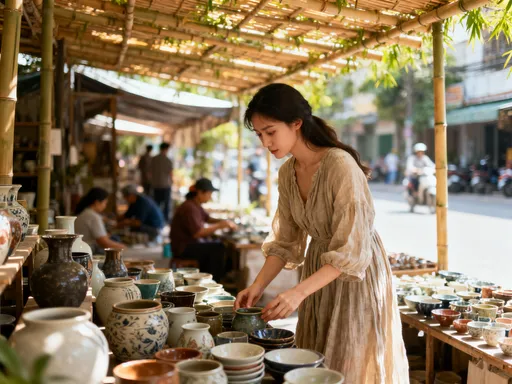
Finding the most authentic art experiences in Provence often requires stepping away from guidebooks and embracing local rhythms. One of the most effective ways to uncover hidden studios is by visiting village markets, where artisans sell handmade ceramics, textiles, and jewelry. These vendors are often connected to the broader creative community and can point you toward nearby ateliers or upcoming exhibitions. A simple conversation over a cup of coffee at a market stall might lead to an invitation to a private studio tucked behind a vineyard or an impromptu opening in a converted barn.
Another valuable resource is the Routes des Arts, a network of regional art trails that connect independent artists across the countryside. These self-guided itineraries—available through tourist offices or local cultural centers—list participating studios, often with maps and seasonal hours. Travelers can follow a route through the Alpilles or Luberon, stopping at different locations to view paintings, meet sculptors, or even try a short workshop. The experience is intentionally unhurried, encouraging deep engagement rather than rapid sightseeing.
Perhaps the best time to explore these hidden spaces is during the Journées des Ateliers d’Artistes, a nationwide event held each autumn when thousands of artists across France open their studios to the public. In Provence, participation is especially strong, with hundreds of creators—from established names to emerging talents—inviting visitors into their workspaces. This is when the region’s artistic heart beats most visibly. You might find yourself in a sunlit atelier in Rousset, watching a painter layer translucent glazes, or in a quiet village like Saignon, where a sculptor demonstrates how she shapes stone collected from local quarries.
Community bulletin boards in village centers also offer valuable clues. Posted in bakeries, town halls, or near church entrances, these hand-printed notices advertise local exhibitions, artist talks, and collaborative projects. While some are in French, the visuals—photos of artwork, sketches of venues, or simple maps—are often enough to guide an interested visitor. These grassroots channels reflect a culture of openness and generosity, where art is not reserved for elites but shared as part of everyday life.
Experiencing Art Through Nature and Architecture
In Provence, art is not confined to walls or frames—it spills into the landscape, becoming part of the sensory experience of place. One of the most profound examples is the Carrières de Lumières in Les Baux-de-Provence, a former limestone quarry transformed into an immersive audiovisual exhibition space. Each year, a new theme is presented through large-scale projections that dance across 14-meter-high walls, accompanied by orchestral music. The effect is mesmerizing: Van Gogh’s sunflowers bloom across jagged rock faces, Klimt’s golden patterns ripple over ancient stone, and the play of light and shadow makes the entire space feel alive. Unlike traditional museum viewing, this is a full-body experience—one that engages sight, sound, and even touch as cool air rises from the quarry floor.
Beyond this well-known site, numerous smaller installations invite quieter but equally powerful encounters. In the hills near Saint-Rémy-de-Provence, sculptures by contemporary artists are placed within olive groves, their forms echoing the twisted trunks and silver leaves of the trees. Walking among them, visitors experience art not as a destination but as a discovery—a bronze figure emerging from shadow, a steel arc framing a distant mountain peak. These site-specific works are designed to change with the seasons and light, ensuring that no two visits are the same.
Other artists have explored sound as a medium, installing subtle audio pieces in abandoned quarries or forest clearings. One such installation near Gargas uses directional speakers to create pockets of music or spoken word that appear only when you step into a precise location. The effect is magical—like hearing a secret meant only for you. These auditory experiences deepen the sense of connection between art and environment, reminding us that creativity can engage all the senses, not just sight.
Even architecture becomes a canvas in Provence. In Avignon, light projections during the annual Festival d’Avignon transform the Palais des Papes into a moving tapestry of color and narrative. Historic walls, once silent witnesses to centuries of history, come alive with stories told through light. These temporary interventions respect the integrity of the structure while reimagining its role in contemporary culture. For visitors, they offer a rare opportunity to see the familiar in a new way—to witness how art can renew even the most ancient stones.
Making the Most of Your Visit: Timing, Transport, and Etiquette
To fully appreciate Provence’s hidden art spaces, thoughtful planning is essential. The best times to visit are spring (April to early June) and early fall (September to October), when temperatures are mild, crowds are smaller, and many rural studios are open for the season. July and August, while vibrant, bring intense heat and packed roads, making travel between villages more tiring. Additionally, some smaller galleries close during peak summer weeks or take a midday break from 12:30 to 3:30 p.m., especially in villages without large tourist infrastructures.
Transportation is another key consideration. While major towns like Aix and Avignon are accessible by train, the rural art spaces require greater flexibility. Renting a car offers the most freedom, allowing you to explore winding country roads at your own pace. For those who prefer a slower, more immersive journey, bike rentals—especially electric models—are increasingly popular. Quiet country lanes connect many Luberon villages, and cycling lets you pause at roadside fountains, orchards, and unexpected viewpoints. Some regional tours even offer guided art and cycling itineraries, combining physical activity with cultural discovery.
When visiting galleries and studios, a few etiquette guidelines ensure a respectful and rewarding experience. Most small spaces are quiet by design, so speaking in soft voices is appreciated. Photography is often allowed, but it’s wise to ask before taking pictures, especially if the artist is present. Many creators welcome conversation, but it’s best to observe first, then engage if invited. Purchasing a small work—such as a print or handmade object—not only supports the artist but creates a lasting memory of your visit.
Finally, resist the urge to treat art exploration as a checklist. Provence rewards slowness. Sit on a bench outside a village chapel and watch how light changes on the stone. Return to the same gallery in the morning and again at dusk. Let yourself be surprised. The most memorable moments often come not from planned stops, but from chance encounters—a half-open studio door, a mural visible only from a certain angle, a conversation with a local who remembers when the building was a school or a bakery. These fleeting connections are what make art in Provence not just seen, but felt.
Provence’s art spaces invite deeper connection—not just with paintings or sculptures, but with the soul of the region itself. By stepping off the main roads and into studios, chapels, and quarries transformed by creativity, travelers gain a richer understanding of what makes this place timeless. It’s not about ticking boxes; it’s about letting beauty unfold where you least expect it. Seek them out, move slowly, and let Provence reveal its artistic heart.