You Won’t Believe What Rio’s Wild Side Hides
Rio de Janeiro isn’t just beaches and parties—its wild heart beats in lush forests, hidden trails, and breathtaking natural sanctuaries. I explored beyond the postcard spots and found a side of Rio most tourists never see. From misty mountain hikes to secluded waterfalls, nature here feels alive, raw, and utterly unforgettable. This is exploration at its purest—where every turn reveals something astonishing. While Copacabana and Ipanema draw millions with their golden sands and vibrant boardwalks, the soul of Rio pulses strongest in the emerald wilderness that cradles the city. Here, in the mist-shrouded hills and rushing streams, travelers discover a different rhythm—one of birdsong, wind through treetops, and the quiet pride of reaching a summit few have seen. This is not the Rio of postcards, but the Rio of deep breaths and open skies.
Beyond Copacabana: Rio’s Natural Playground
Rio de Janeiro is often celebrated for its sun-kissed beaches, colorful festivals, and iconic skyline, but beneath the urban glamour lies a vast, living wilderness that few tourists fully appreciate. Beyond the rhythm of samba and the shimmer of ocean waves, the city is embraced by one of the most extraordinary natural environments on Earth. Rio is not just a coastal metropolis—it is a city born from mountains, cradled by forests, and interwoven with rivers and waterfalls. This unique geography allows visitors to transition from bustling city streets to quiet jungle trails in less than an hour. The urban energy that defines Rio’s identity exists in harmony with an untamed natural world, offering a travel experience that blends convenience with adventure.
At the heart of this natural wonder lies Tijuca National Park, the largest urban rainforest in the world. Spanning over 32 square kilometers, this protected area envelops much of central Rio like a green fortress, shielding the city from the encroachment of development while providing a sanctuary for native flora and fauna. Unlike remote wilderness areas that require days of travel to access, Tijuca is remarkably close—entrance points are just a short drive from downtown hotels and beachfront neighborhoods. This proximity makes it not only a marvel of conservation but also a rare gift for travelers seeking immersion in nature without sacrificing comfort or accessibility.
Mornings in Tijuca are especially magical. As the city stirs to life, the forest is already awake—fog curls around the treetops like smoke, sunlight filters through dense canopies, and the distant calls of howler monkeys echo across the valleys. Birdsong fills the air, and the scent of damp earth and tropical blooms lingers in the breeze. These moments offer a powerful contrast to the crowded boardwalks and honking traffic of Copacabana. Shifting focus from the beaches to Rio’s natural spaces transforms a typical vacation into a deeper journey—one that reconnects travelers with the rhythms of the natural world. For families, couples, and solo adventurers alike, this side of Rio offers peace, wonder, and a sense of discovery that no souvenir can capture.
Tijuca National Park: Where the Jungle Meets the City
Tijuca National Park is not merely a green space—it is a living, breathing ecosystem that tells a story of resilience and renewal. In the 19th century, much of this land was stripped bare for coffee plantations, leading to severe erosion and water shortages in Rio. Recognizing the danger, Emperor Dom Pedro II initiated a bold reforestation project in the 1860s, planting millions of trees to restore the watershed. Today, the result is a thriving rainforest that stands as a testament to human foresight and nature’s ability to heal. Designated a national park in 1961, Tijuca now protects over 1,500 plant species and provides habitat for animals once thought lost from the region.
Visitors stepping into Tijuca quickly realize they are not in an ordinary city park. The forest is dense and alive—vines twist around towering trees, bromeliads cling to branches, and streams meander through shaded gullies. Trails wind through varying elevations, offering experiences for all levels of hikers. One of the most popular routes leads to Vista Chinesa, a scenic viewpoint shaped like a Chinese pagoda, built in the 1920s as a tribute to Japanese immigrants. The path is well-maintained, shaded, and dotted with interpretive signs that explain the forest’s history and ecology. Along the way, hikers may spot toucans with their bright orange beaks, swifts darting between cliffs, or the occasional marmoset peering from the treetops.
Another iconic trail begins near the base of Corcovado Mountain and leads toward the backside of the Christ the Redeemer statue. While most tourists arrive by train, those who hike through Tijuca experience the monument as part of a natural pilgrimage. The journey through the forest—listening to birds, feeling the cool air, and catching glimpses of the city below—adds a layer of meaning to the final view. This route is best taken with a local guide, who can share stories about the forest, point out wildlife, and ensure safety on the sometimes-slippery terrain.
For wildlife enthusiasts, Tijuca offers rare opportunities to see animals in their natural habitat. Coatis, with their ringed tails and curious faces, are frequently spotted near picnic areas. Hummingbirds flit between flowers, feeding on nectar with astonishing speed. Capuchin monkeys occasionally swing through the canopy, and if one is very quiet and patient, a glimpse of the elusive agouti or even a small ocelot might be possible. The park’s biodiversity is a reminder that Rio is not just a city of people—it is a city shared with countless other species.
Visiting Tijuca requires some planning. The main entrance is located near the Jardim Botânico neighborhood, accessible by taxi, ride-share, or public bus. While it is possible to explore independently, guided tours are highly recommended, especially for first-time visitors. Local guides from certified eco-tourism companies provide valuable insights, ensure compliance with park rules, and enhance safety. The best times to visit are early morning or late afternoon, when temperatures are cooler and wildlife is most active. Rainy days can make trails slippery and reduce visibility, so checking the forecast is essential. Above all, visitors should respect the park’s rules: no littering, no feeding animals, and staying on marked paths to protect fragile ecosystems.
Pedra da Gávea: A Hiker’s Challenge with Unbeatable Rewards
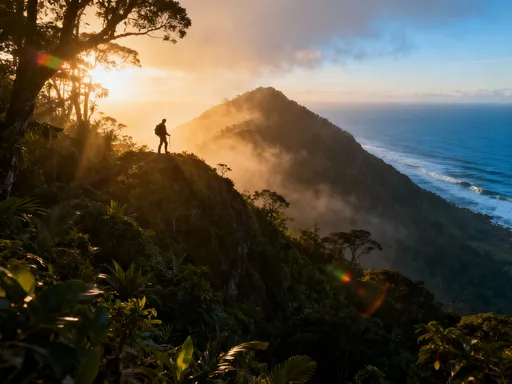
For those seeking a more intense adventure, Pedra da Gávea offers one of the most thrilling hikes in South America. Rising over 840 meters above sea level, this massive rock formation on the edge of Tijuca National Park presents a challenging ascent that rewards the determined with one of the most panoramic views in Rio. The trail is not for the faint of heart—it involves steep climbs, narrow ridges, and sections that require the use of hands and fixed ropes. Yet, every step forward brings a deeper sense of accomplishment and a growing awe at the landscape unfolding below.
The hike typically begins in the São Conrado neighborhood and follows a well-marked but rugged path through dense Atlantic forest. The first section is moderately steep, winding through ferns and moss-covered rocks. As the elevation increases, the vegetation thins, giving way to exposed granite and sweeping vistas. The final ascent, known as the “Iron Ladder” section, involves climbing a series of metal rungs bolted into the rock face. While this part can be intimidating, the presence of secure handholds and the guidance of an experienced local guide make it manageable for most fit travelers.
Reaching the summit is nothing short of transformative. From the top, the entire city of Rio unfolds like a living map. To the south, the Atlantic Ocean glimmers under the sun, its waves crashing against rocky shores. Niterói spreads across the bay, connected by the sweeping arc of the Presidente Costa e Silva Bridge. To the west, the peaks of the Serra dos Órgãos rise in the distance, their jagged silhouettes cutting into the sky. And below, the neighborhoods of Barra da Tijuca and Recreio blend into the coastline, a mosaic of green, blue, and urban gray. In that moment, the effort of the climb fades, replaced by a profound sense of connection—to the land, to the sky, and to the sheer beauty of this place.
Preparation is key for this hike. It is strongly advised to start early in the morning, ideally before 6 a.m., to avoid the midday heat and potential afternoon thunderstorms. Hikers should carry at least two liters of water, energy snacks, sunscreen, and a hat. Proper footwear with strong grip is essential, as the rocks can become slippery, especially after rain. Most importantly, hiring a certified local guide is not just a safety measure—it is a way to enrich the experience. Guides share knowledge about the geology, history, and ecology of the area, and they know how to navigate the route safely.
Responsible hiking practices are crucial on Pedra da Gávea. The trail passes through protected land, and any damage to the environment can have lasting consequences. Travelers should carry out all trash, avoid disturbing wildlife, and refrain from carving names or markings into the rock. The goal is not just to reach the summit, but to do so with respect for the natural world. By following these principles, hikers help preserve this extraordinary landscape for future generations.
The Hidden Waterfalls of Parque Nacional da Serra dos Órgãos
Just an hour’s drive from central Rio lies another natural treasure: Parque Nacional da Serra dos Órgãos. Named for its dramatic peaks that resemble the pipes of a church organ, this national park is a haven for hikers, climbers, and nature lovers seeking solitude and beauty. Unlike the more accessible trails of Tijuca, Serra dos Órgãos offers a wilder, more remote experience—one that feels like stepping into another world. The park covers over 20,000 hectares of mountainous terrain, protecting one of the last remnants of the Atlantic Forest biome, a critically endangered ecosystem rich in biodiversity.
One of the park’s most beloved destinations is Cascatinha Taquaral, a charming waterfall surrounded by lush vegetation and shaded picnic areas. The trail to the falls is relatively easy, making it ideal for families and casual hikers. Along the way, visitors pass through groves of bamboo, cross wooden footbridges over clear streams, and enjoy views of the surrounding peaks. The waterfall itself plunges into a natural pool, perfect for a refreshing dip on a warm day. Children laugh and splash in the shallows, while adults relax on nearby rocks, soaking in the tranquility.
For those seeking a more secluded experience, deeper trails lead to lesser-known waterfalls hidden within the forest. The trail to Cachoeira dos Pretos, for example, is longer and more challenging, but rewards hikers with a powerful cascade and a large, crystal-clear pool surrounded by mossy cliffs. These remote spots offer a rare sense of solitude—no crowds, no music, just the sound of falling water and the rustle of leaves. Swimming here feels like a private communion with nature, a moment of pure refreshment and peace.
Accessing the park requires some planning. The main entrance is located in the town of Teresópolis, reachable by rental car, shared van, or organized tour. Public transportation options exist but may involve multiple transfers and longer travel times. Entry to the park requires a small fee, and visitors must register at the visitor center, where maps and safety information are provided. Due to the park’s size and terrain, hiking without a guide is not recommended for inexperienced travelers. Local guides not only ensure safety but also enhance the experience by pointing out medicinal plants, bird species, and geological features.
The best time to visit is during the dry season, from May to September, when trails are less slippery and visibility is clearer. Even then, weather in the mountains can change quickly, so packing a light rain jacket and extra layers is wise. Because the park is at a higher elevation, temperatures are cooler than in Rio, especially in the mornings and evenings. Travelers should bring plenty of water, snacks, and a camera—every turn offers a new photo opportunity, from sun-dappled forests to misty mountain summits.
Practical Exploration: How to Plan Your Nature Adventure
Exploring Rio’s wild side is an enriching experience, but it requires thoughtful preparation. The city’s natural attractions, while close, are not always as straightforward to access as beachfront hotels or tourist plazas. Understanding transportation options, gear requirements, and safety practices can make the difference between a memorable adventure and a frustrating setback. The good news is that with a little planning, even first-time visitors can enjoy these landscapes with confidence and comfort.
Transportation to natural sites varies depending on the destination. For Tijuca National Park, public buses from downtown Rio or tourist neighborhoods like Copacabana can get travelers close to entrance points. Ride-share services and taxis offer a more direct route. For Serra dos Órgãos, a rental car provides the most flexibility, though shared vans from tourist agencies are a reliable and affordable alternative. Organized eco-tours are also available, often including round-trip transport, a guide, and lunch—ideal for those who prefer a structured experience.
Gear is another important consideration. Proper hiking shoes with good traction are essential, especially for trails with rocks, roots, or mud. Lightweight, breathable clothing helps regulate body temperature, while a wide-brimmed hat and sunglasses protect against sun exposure. Sunscreen and insect repellent should be applied before heading out. A backpack with at least two liters of water, energy-rich snacks like nuts or granola bars, and a small first-aid kit can address most minor needs on the trail. A reusable water bottle is both practical and eco-friendly, reducing plastic waste in sensitive environments.
Weather plays a significant role in outdoor safety. Rio’s tropical climate means sudden rain showers are common, particularly in the afternoon. Checking the forecast before departure is a simple but crucial step. Hiking during the hottest part of the day increases the risk of dehydration and heat exhaustion, so early morning starts are strongly advised. Park authorities often close trails during heavy rain due to landslide risks, so flexibility in scheduling is important.
Equally important is respecting park rules and local customs. Rio’s natural areas are protected for a reason—many are home to endangered species and fragile ecosystems. Travelers should stay on marked trails, avoid picking plants or disturbing wildlife, and carry out all trash. Feeding animals, even with good intentions, can harm their health and alter natural behaviors. By practicing eco-conscious behavior, visitors help preserve these spaces for future generations.
Why Nature Exploration Elevates Your Trip
Travel is not just about seeing new places—it is about feeling them. While sightseeing has its rewards, active exploration—hiking, swimming, listening to birds—creates deeper, more lasting memories. A walk along Copacabana is pleasant, but a sunrise hike through Tijuca, where the forest awakens around you, is transformative. These experiences engage the senses and the spirit, offering a mental reset that few urban attractions can match.
Spending time in nature has been shown to reduce stress, improve mood, and enhance overall well-being. In a world dominated by screens and schedules, stepping into a forest or standing beneath a waterfall provides a rare opportunity to disconnect and recharge. For families, these moments foster connection—children learn about ecosystems, parents find peace in nature’s rhythm, and shared challenges, like reaching a summit, build bonds. Even solo travelers gain a sense of clarity and renewal.
Rio’s wild spaces offer something that no museum, restaurant, or shopping district can: authenticity. Here, there are no crowds, no advertisements, no pretense—just the raw beauty of the natural world. Whether it’s the cool mist on your face at a mountain peak or the sound of a hidden stream, these small sensations accumulate into a powerful sense of presence. Travelers leave not just with photos, but with stories—of effort, discovery, and wonder.
Final Thoughts: Rediscovering Rio Through Its Wild Soul
Rio de Janeiro is often reduced to its most famous images—sunbathers on Ipanema, dancers at Carnival, the outstretched arms of Christ the Redeemer. But these snapshots only tell part of the story. The true essence of Rio lies in its wild heart, in the forests that breathe with the city and the mountains that watch over it. To know Rio fully is to explore beyond the postcards, to trade sand for soil, and noise for silence.
This is not a call to abandon the city’s pleasures, but to balance them. Let samba rhythms be matched by the sound of waterfalls. Let cocktails be paired with the satisfaction of a hard-earned summit view. Rio offers a rare duality—urban energy and natural serenity, both within reach. By embracing both, travelers create a richer, more meaningful journey.
As tourism grows, so does the responsibility to protect these fragile spaces. The principle of “leave no trace” is not just a guideline—it is a promise. Every traveler can contribute by respecting park rules, supporting conservation efforts, and choosing sustainable practices. Local communities and environmental organizations work tirelessly to preserve these areas, and visitors can honor their efforts by being mindful stewards.
Rio’s wild side is not hidden because it is inaccessible—it is hidden because it is overlooked. But for those willing to look beyond the surface, it offers some of the most profound and beautiful experiences on Earth. So lace up your hiking shoes, pack your water bottle, and step into the forest. Let the city fade behind you, and discover the true pulse of Rio—one beat of the wild at a time.