Unseen Sochi: Where Culture Hides in Plain Sight
Nestled between the Black Sea and the Caucasus Mountains, Sochi is more than just a winter sports hotspot. Beyond the Olympic glitz, I discovered a city alive with hidden cultural rhythms—ancient traditions, local music, and authentic craftsmanship. You won’t find these experiences on typical tourist trails, but they’re absolutely real, deeply rooted, and quietly unforgettable. This is Sochi as few ever see it. Far from the polished arenas and ski lifts, in quiet mountain villages and coastal neighborhoods, a deeper story unfolds—one of resilience, identity, and connection to land and language. To truly know Sochi is to listen closely, walk slowly, and open your heart to the people who have called this region home for generations.
The Myth of the Mainstream: Looking Past Sochi’s Olympic Image
Sochi is often reduced to its 2014 Winter Olympics legacy—a global showcase of snow sports, state-of-the-art venues, and international diplomacy. While the event brought infrastructure and visibility, it also created a narrow lens through which most travelers view the city. The truth, however, is far more layered. Beneath the surface of modern development lies a living cultural fabric woven from centuries of history, indigenous heritage, and regional customs that long predate any sporting spectacle. The official tourism narrative emphasizes convenience, accessibility, and recreation, but it often overlooks the heartbeat of the place: its people and their traditions.
The cultural identity of Sochi is deeply tied to the North Caucasus, particularly the Circassian (Adyghe) people, whose ancestral lands stretch across these mountainous slopes and coastal plains. Though much of their history has been shaped by displacement and assimilation, especially following the 19th-century Caucasian War, elements of their language, music, and daily life persist. In neighborhoods like Kudepsta and Dagomys, older residents still speak Adyghe at home, prepare traditional dishes with wild herbs gathered from the hills, and pass down oral histories that speak of migration, survival, and belonging. These are not museum exhibits; they are living practices, quietly sustained despite the pressures of modernization.
What makes this cultural undercurrent so easy to miss? Partly, it’s because it doesn’t conform to the typical tourist itinerary. There are no large-scale festivals advertised in guidebooks, no commercialized dance performances in hotel lobbies. Instead, cultural expression happens in intimate settings—family gatherings, village courtyards, small community centers. A grandmother teaching her granddaughter how to roll dough for zhigj, a type of Circassian dumpling, or a group of men playing the psal’afa, a traditional string instrument, during an evening visit—these moments are unscripted and unadvertised. They require curiosity, humility, and a willingness to step off the beaten path.
Yet for those who seek them, these experiences offer a richer, more meaningful encounter with Sochi. The city’s Olympic image may draw the crowds, but its enduring soul resides in these quieter, more personal expressions of culture. Recognizing this shift in perspective—from spectacle to substance—opens the door to a more authentic and respectful form of travel, one that values connection over consumption.
A Day in Kudepsta: Sochi’s Forgotten Cultural Heart
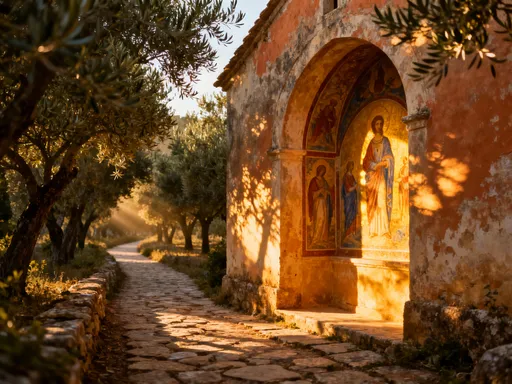
Just a 20-minute bus ride from the bustling Adler district lies Kudepsta, a historic neighborhood that feels worlds away from Sochi’s tourist-centric zones. Once an independent village before being absorbed into the growing city, Kudepsta retains much of its original charm. Narrow cobblestone streets wind between wooden izba houses, many over a century old, with intricately carved window frames and sloping roofs covered in aged tin. Brightly painted doors and flower-filled window boxes add warmth to the scene, but it’s the human presence that brings the place to life. Elderly residents sit on benches outside their homes, greeting passersby with nods or brief conversations, while children play in small courtyards shaded by walnut trees.
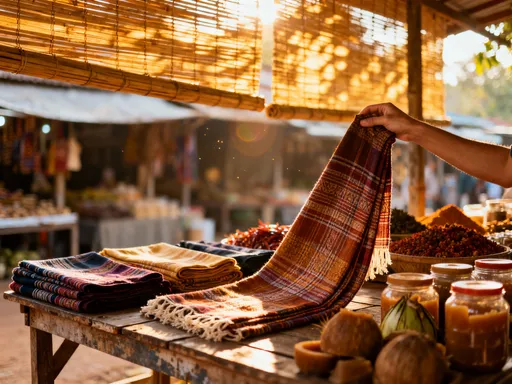
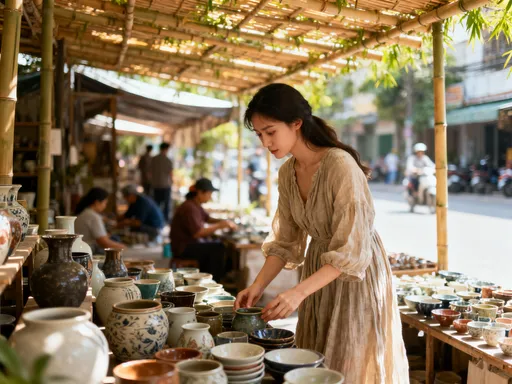
What sets Kudepsta apart is its role as a cultural stronghold. Unlike the sanitized plazas of Olympic Park, this neighborhood thrives on organic tradition. Every Saturday, a small craft market springs up near the old Orthodox chapel, where local artisans sell handmade goods. One woman, Maria, has been weaving woolen belts for over forty years, using patterns passed down from her mother. Each design carries symbolic meaning—zigzags for protection, diamonds for fertility, and red threads for strength. She doesn’t speak much English, but her hands move with confidence as she demonstrates the loom technique, inviting visitors to try a few rows. Nearby, a potter shapes clay on a foot-powered wheel, crafting cups and bowls in styles that haven’t changed in generations.
In the evenings, Kudepsta transforms. Without street performers or paid entertainment, the community creates its own joy. I was invited to join a circle dance in a small courtyard, where neighbors gathered after dinner. The music came from a man playing the accordion and another beating a goatskin drum. People of all ages formed a ring, holding hands and stepping in rhythm. There were no instructions, no choreography—just instinct and shared energy. As someone who had spent days walking polished boardwalks and visiting tourist cafes, this moment felt profoundly real. No admission fee, no stage, no audience. Just people expressing who they are through movement and music.
What struck me most was the absence of performance. No one was putting on a show for outsiders. This was simply how life unfolded here. A young boy laughed as he stumbled through the steps, corrected gently by his grandmother. A teenage girl sang along to lyrics she’d heard since childhood. These traditions aren’t preserved out of nostalgia—they’re part of daily identity. For travelers, visiting Kudepsta isn’t about checking a box on an itinerary; it’s about witnessing a way of life that resists erasure, sustained by quiet pride and intergenerational care.
Mountain Villages: The Living Heritage of the Caucasus
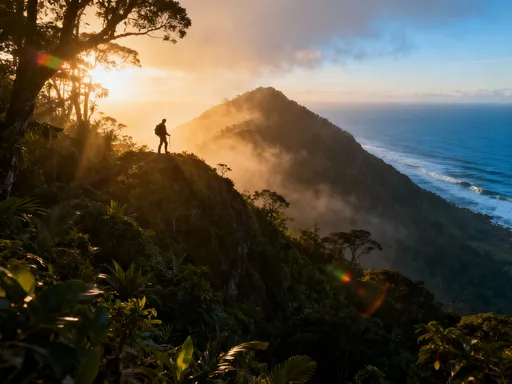
High above the coast, in the lush valleys of Krasnaya Polyana, lie mountain villages like Krupnaya, Estosadok, and Krasnaya Polyana itself—places where modernity arrives slowly, if at all. Here, life moves at the pace of the seasons. Families tend small farms, gather medicinal herbs from the forest, and preserve food for long winters. These communities are not frozen in time, but they do maintain cultural practices that have faded in urban centers. In Krupnaya, I was welcomed into a family home built from local stone and timber, where the scent of woodsmoke and simmering broth filled the air.
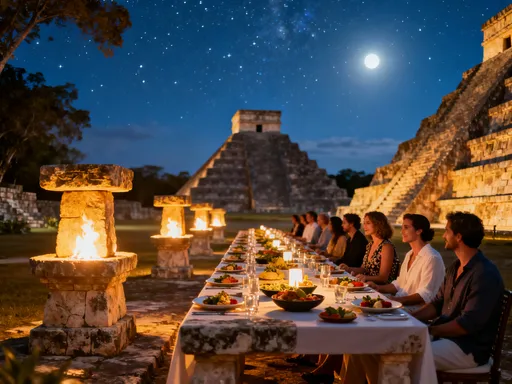
The family prepared a khyn, a traditional Circassian feast that serves as both a meal and a social ritual. Every dish carried symbolic weight. Flatbreads made from stone-ground wheat represented prosperity and continuity. Bowls of matsoni, a fermented milk product with a tangy bite, spoke to ancestral dietary wisdom. Smoked trout from the nearby Mzymta River symbolized resilience—fish that swim against the current, much like the people themselves. As we ate, the eldest son explained the importance of hospitality: “To share food is to share life. A guest is a blessing, not an inconvenience.”
Language, too, plays a vital role in cultural preservation. While Russian is the dominant language, several elders in the village still speak dialects of Adyghe, particularly among themselves. One grandmother, seated by the stove, began reciting an old poem in her native tongue—a story of love, loss, and return. Her granddaughter, perhaps ten years old, listened intently, repeating a few words softly. It was a small moment, but a powerful one: the transmission of memory through sound. Though the girl primarily speaks Russian at school, moments like these keep the language alive, even if only in fragments.
Seasonal celebrations further anchor cultural identity. In late autumn, some families still observe a harvest thanksgiving, marked by music, shared meals, and the beating of traditional drums. These events are not publicized or ticketed; they are intimate, family-centered affairs. Yet, for those fortunate enough to be included, they offer a rare glimpse into a worldview that values balance with nature, respect for elders, and communal responsibility. In a world increasingly defined by speed and separation, these villages stand as quiet reminders of what it means to belong to a place.
Underground Music and Folk Revival: Sochi’s Secret Soundtrack
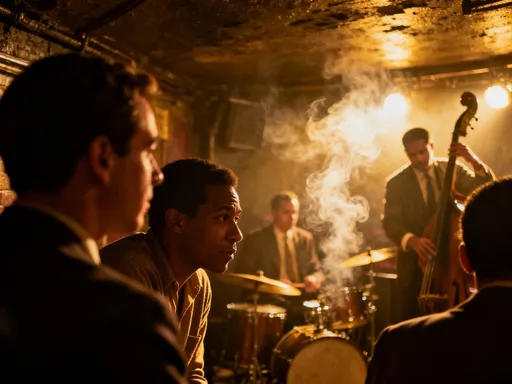
While the official soundscape of Sochi includes resort music and Olympic fanfare, a different kind of music pulses beneath the surface. In basements, cultural centers, and private homes, young musicians are breathing new life into traditional Circassian and Ubykh melodies. This isn’t commercial folk-pop tailored for tourists; it’s a grassroots movement rooted in cultural reclamation. I first encountered it in a dimly lit cultural space in downtown Sochi, housed in a repurposed Soviet-era building. There were no signs, no advertisements—just a handwritten note taped to the door: “Music tonight. 7 PM.”
Inside, about thirty people sat on folding chairs, sipping tea and chatting in low voices. The performers, a duo in their late twenties, began without introduction. One played a modified acoustic guitar, while the other sang in a language I didn’t recognize. Later, I learned it was Ubykh—one of the world’s most complex languages, officially declared extinct in 1992 after the death of its last fluent speaker. Yet here it was, being sung again, syllables carefully reconstructed from archival recordings and linguistic research. The melody was haunting, built around a repeating phrase that evoked both sorrow and defiance.
These underground sessions are not about fame or profit. Many of the musicians have day jobs—as teachers, engineers, or park rangers—but they dedicate evenings and weekends to learning old songs, translating lyrics, and teaching others. Some collaborate with linguists to revive nearly lost dialects, while others record oral histories from elders before they pass. Their motivation is not nostalgia, but responsibility. “We are not performing tradition,” one singer told me afterward. “We are continuing it. If we don’t sing these songs, who will?”
What makes these gatherings powerful is their intimacy. There’s no stage, no lighting, no merchandise table. Listeners are expected to be present, to listen deeply, to honor the weight of what’s being shared. Applause is quiet, respectful. After the set, people linger to talk, share stories, or simply sit in silence. For visitors willing to seek them out—often through word of mouth or local contacts—these events offer a rare emotional connection to Sochi’s deeper history. They are not spectacles to be consumed, but experiences to be absorbed.
The Art of Slow Craft: Finding Authentic Souvenirs
In the gift shops near Olympic Park, souvenirs are plentiful but impersonal: keychains shaped like ski jumps, mugs with cartoon bears, mass-produced magnets. These items may serve as mementos, but they tell no story beyond the event itself. In contrast, the true cultural treasures of Sochi are found in handmade crafts—objects born of skill, patience, and meaning. I discovered this in Dagomys, a quiet suburb where a women’s cooperative gathers weekly to practice traditional embroidery.
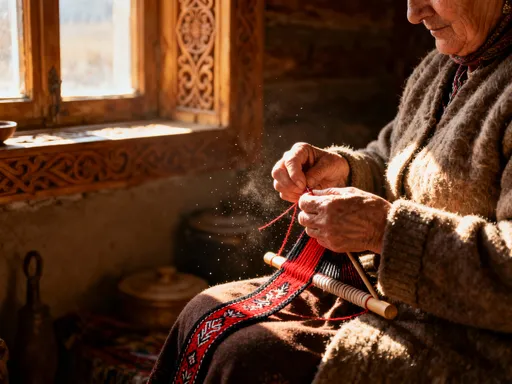
Their work is meticulous. Using red and black thread on linen cloth, they stitch geometric patterns that have been passed down for generations. Each motif carries significance: the triangle represents the family unit, the spiral symbolizes the journey of life, and the sunburst stands for warmth and renewal. The colors are no accident—red for fire, vitality, and courage; black for the earth, stability, and memory. As one artisan explained, “We don’t just make beautiful things. We carry our history in every stitch.”
I spent an afternoon learning the basics from Lena, a retired schoolteacher who now teaches embroidery to younger women. Her hands moved with precision, guiding mine through the first few patterns. It was harder than it looked—each stitch had to be even, each line straight. But there was a meditative quality to the work, a sense of calm that came from creating something tangible with care. When I finally completed a small square, uneven but honest, she smiled. “It’s not perfect,” she said, “but it’s yours. That’s what matters.”
Purchasing these handmade items does more than support local livelihoods—it helps sustain cultural continuity. Unlike factory-made souvenirs, each piece is unique, infused with the maker’s intention and history. A felt slipper hand-stitched with wool from local sheep, a wooden spoon carved from black walnut, a woolen shawl woven with natural dyes—these are not just objects, but acts of resistance against cultural homogenization. By choosing them, travelers participate in a quiet but meaningful form of preservation.
How to Experience Hidden Culture Responsibly
Engaging with Sochi’s living traditions requires more than curiosity—it demands respect. These are not performances staged for entertainment, but integral parts of people’s identities. The first rule is simple: always ask before taking photographs, especially during ceremonies or private gatherings. A smile and a gesture can go a long way, but learning a few words in Adyghe—such as “spasiba” for thank you or “zepshi” for hello—shows deeper respect. When invited into a home, bring a small gift, such as tea or sweets, and accept hospitality graciously.
Visiting cultural events as a guest, not a spectator, makes a difference. Sit quietly, listen more than you speak, and allow the experience to unfold without demanding participation. If you’re unsure of the etiquette, ask a local guide—preferably one from the community. Many mountain villages now offer informal guiding services, where residents share their knowledge of trails, traditions, and family histories. These guides not only provide insight but also ensure that tourism benefits the people directly.
Avoid treating cultural practices as exotic or quaint. These traditions are not relics of the past but evolving expressions of identity. Refrain from pressuring elders to perform or share sacred knowledge. Instead, focus on building genuine connections—sharing a meal, helping with a simple task, or simply sitting together in silence. Small gestures often carry the most weight: accepting a cup of tea, complimenting a handmade item, or remembering someone’s name.
Responsible cultural tourism isn’t about collecting experiences like trophies. It’s about mutual respect, humility, and the recognition that we are guests in someone else’s world. When approached with care, these encounters become transformative—for both traveler and host.
Why This Sochi Matters: Culture as Connection
The hidden cultural side of Sochi isn’t just a charming alternative to the Olympic narrative—it’s essential to understanding the region’s true character. It reminds us that destinations are more than postcard views or luxury stays. They are shaped by people, memory, and continuity. When we seek out authentic moments—whether listening to a forgotten language, sharing a meal in a mountain home, or stitching a traditional pattern—we don’t just travel; we connect. And in doing so, we help preserve what makes a place truly unique.
Sochi’s soul isn’t in its stadiums or ski resorts. It’s in the songs sung in quiet rooms, the soil that nourishes ancestral crops, and the hands—aged and young—that keep tradition alive. These expressions may be subtle, but they are enduring. They speak of resilience, identity, and the quiet power of community. For travelers willing to look beyond the surface, Sochi offers not just a vacation, but a deeper kind of journey—one that enriches the mind and warms the heart.
In a world where travel often feels transactional, these experiences restore a sense of wonder and meaning. They remind us that the most valuable souvenirs aren’t things we carry home, but feelings we carry within. To witness culture in its living form is to remember that we, too, are part of a larger human story—one woven from language, land, and the courage to keep going. This is the Sochi few see. And once seen, it’s never forgotten.