You Won’t Believe What Philly’s Culture Scene Is Hiding
Philadelphia isn’t just about cheesesteaks and history—it’s a cultural powerhouse waiting to be explored. I was blown away by how much creativity pulses through its neighborhoods, from open-air murals to underground jazz. This city delivers authentic, vibe-heavy experiences that don’t just entertain—they connect. If you're chasing real culture, not tourist traps, Philly should be next on your list.
The Soul of the City: Why Philadelphia’s Cultural Energy Stands Out
Philadelphia’s cultural identity is rooted in resilience, community, and a deep sense of place. Unlike cities that curate culture for tourists, Philly lets it grow organically—from basement art studios to corner-store poetry readings. Its working-class heritage fosters a no-frills authenticity that resonates in every neighborhood. Places like Fishtown, Northern Liberties, and West Philadelphia aren’t just trendy—they’re living canvases where generations of artists, musicians, and makers have shaped local character through collaboration and grit.
What sets Philadelphia apart is its commitment to cultural accessibility. Art isn’t locked behind velvet ropes; it thrives on brick walls, in repurposed factories, and at block parties. This democratization of creativity means culture isn’t reserved for elites—it belongs to everyone. Community gardens double as performance spaces, libraries host indie film screenings, and church basements become pop-up galleries. These grassroots efforts reflect a city that values expression over spectacle and connection over consumption.
For travelers seeking meaningful experiences, this authenticity is invaluable. In a world saturated with generic attractions, Philadelphia offers something rare: culture that feels lived-in, not manufactured. The city doesn’t perform for visitors—it simply invites them to witness its rhythm. Whether you're sipping coffee at a neighborhood café where poets recite weekly or wandering streets lined with hand-painted signs, the sense of place is immediate and powerful. This isn’t culture as entertainment; it’s culture as daily life.
Travelers who embrace this mindset often find themselves welcomed into moments that feel personal and genuine. A mural might spark a conversation with a local artist. A street festival could lead to an invitation for homemade soup. These small interactions, born from mutual respect and curiosity, are what make Philadelphia unforgettable. The city rewards those who slow down, listen, and engage—not as spectators, but as participants in its ongoing story.
Street Art as Storytelling: The Mural Arts Program Experience
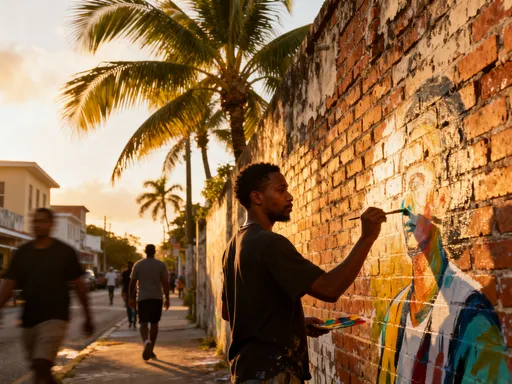
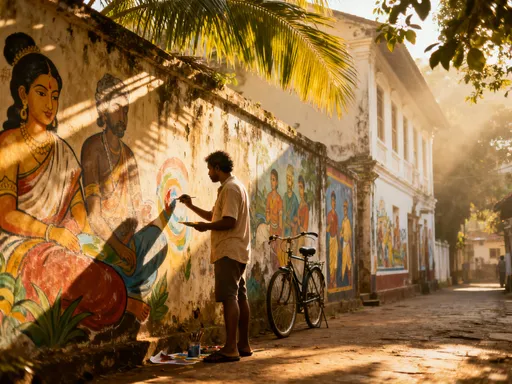
Philadelphia’s Mural Arts Program is more than public art—it’s a movement. Founded in 1984 as an anti-graffiti initiative, it has evolved into the largest public art program in the United States, with over 4,000 murals painted across the city. Each piece tells a story: of community pride, historical memory, social justice, or personal triumph. Walking through neighborhoods like North Philly, South Street, or Brewerytown feels like flipping through a living scrapbook of the city’s soul.
The murals are not just decorative; they’re deeply intentional. Many are created in collaboration with residents, schools, and nonprofit organizations, ensuring that the artwork reflects the voices of those who live there. A wall in West Philly might honor local civil rights leaders, while one in Kensington celebrates the strength of mothers in recovery. These narratives transform blank walls into sites of reflection and dialogue, turning everyday spaces into places of meaning.
For visitors, experiencing the murals firsthand is both inspiring and accessible. The Mural Arts Program offers guided tours led by artists and community educators, providing context and behind-the-scenes insights. Alternatively, travelers can take a self-guided walking or biking tour using the official map available online. Popular routes include the Magic Gardens Corridor, the Fairmount Avenue Mural Mile, and the South Street Stretch—all rich with visual storytelling and photo-worthy backdrops.
What makes the experience even more powerful is the knowledge that these murals often emerge from hardship. Many were painted in areas affected by economic decline or violence, serving as symbols of hope and renewal. The process itself—community meetings, youth workshops, painting days—builds bridges between neighbors and fosters civic pride. For travelers, understanding this deeper purpose adds emotional weight to the visuals. You’re not just seeing art; you’re witnessing healing in motion.
To make the most of your visit, wear comfortable shoes, bring a camera, and allow time to pause and reflect. Some murals are easy to miss—hidden down alleys or tucked behind buildings—so staying alert enhances discovery. Respect the spaces: avoid touching wet paint, don’t block sidewalks, and always ask permission before photographing people. When done mindfully, a mural tour becomes more than sightseeing—it becomes an act of appreciation for community resilience.
Indie Music & Underground Venues: Where the Real Sound Lives
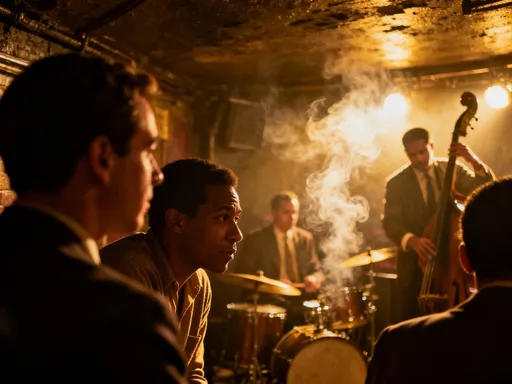
Beneath Philadelphia’s historic surface beats a vibrant, unfiltered music scene. While the city is home to world-class institutions like the Philadelphia Orchestra, its true sonic heartbeat lies in intimate clubs, converted warehouses, and nonprofit performance spaces. These underground venues nurture emerging talent and host genre-defying acts—from post-punk bands to free jazz collectives and spoken word collectives—that rarely make mainstream playlists but define the city’s creative pulse.
One of the most beloved spots is Johnny Brenda’s in Fishtown, a multi-level venue known for its gritty charm and eclectic bookings. With a standing-room floor, rooftop bar, and reputation for excellent sound quality, it draws both local favorites and touring indie acts. Shows here feel personal—close enough to see the sweat on a guitarist’s brow, loud enough to feel the bass in your chest. The crowd is diverse: young artists, longtime music lovers, and curious travelers who’ve followed word-of-mouth recommendations.
Another cornerstone of the scene is The Rotunda in West Philadelphia, a community-supported space housed in a former funeral home. It operates on a pay-what-you-can model, making live music accessible to all. Here, you might catch a Haitian drum ensemble, an experimental synth set, or a poetry slam—all in one week. The atmosphere is collaborative rather than commercial, with artists often staying after shows to talk with attendees. This sense of intimacy fosters connection, turning concerts into shared experiences rather than transactions.
To stay updated on gigs, travelers should check local listings on platforms like Do610, Bandcamp, or the Philadelphia Independent Music Alliance website. Many shows are announced just days in advance, adding to the thrill of discovery. Venues like Kung Fu Necktie, Ortlieb’s, and Underground Arts also offer consistent lineups of boundary-pushing performances in relaxed, no-frills environments.
When attending these shows, a few etiquette tips enhance the experience for everyone. Arrive early for smaller venues—space fills quickly. Respect the space by not blocking sightlines or talking during quiet sets. Tipping at the door or bar supports the artists and staff. Above all, come with an open mind: you might not recognize the band, but you’ll likely leave with a new favorite song. In Philadelphia, the music scene isn’t about fame—it’s about passion, persistence, and the joy of creation.
Historic Theaters and Live Performance Gems
Philadelphia’s love for performance extends beyond underground stages to its beautifully preserved theaters, where history and artistry converge. These spaces—some over a century old—have been meticulously maintained and reimagined to host everything from Broadway tours to avant-garde dance. What makes them special isn’t just their architecture, but the way they honor tradition while embracing innovation.
The Kimmel Center for the Performing Arts stands as a modern landmark, with its soaring glass vault and world-class acoustics. Home to the Philadelphia Orchestra, it hosts symphonies, jazz ensembles, and international artists in a space designed for auditory excellence. Even those unfamiliar with classical music often describe the experience as transcendent—seated in the audience, surrounded by sound, it’s easy to feel part of something greater. The center also supports emerging artists through its Jazz Residency and local partnerships, ensuring the stage remains dynamic and inclusive.
Equally compelling is the Wilma Theater in Center City, a venue dedicated to bold, contemporary productions. Known for its intimate seating and risk-taking programming, the Wilma stages new plays, reimagined classics, and works that explore social issues with depth and nuance. Performances here often spark conversation—audiences leave not just entertained, but challenged and moved. The theater’s commitment to diversity in casting and storytelling makes it a vital space for cultural dialogue.
Other gems include the Lantern Theater Company, which specializes in literary adaptations, and the Arden Theatre Company, where family-friendly musicals share the calendar with thought-provoking dramas. Each venue has its own personality, but all share a dedication to craft and community. Attending a show in any of these spaces offers more than entertainment—it’s a chance to witness how live performance continues to evolve in a historic city.
For travelers, planning a night at the theater adds elegance and depth to a visit. Tickets can be purchased online in advance, and many venues offer rush tickets or student discounts. Arriving early allows time to appreciate the architecture—ornate ceilings, vintage chandeliers, hand-carved woodwork—and perhaps enjoy a drink at the lobby bar. Whether you choose a grand orchestral performance or an experimental one-act play, the experience is elevated by the sense of occasion and shared presence that only live theater can provide.
Cultural Festivals That Define the Calendar
Philadelphia’s cultural calendar is rich with festivals that celebrate its diversity, creativity, and community spirit. These events aren’t corporate-sponsored spectacles—they’re neighborhood-rooted gatherings that reflect the city’s soul. From music and food to art and heritage, each festival offers a window into the traditions that shape Philly’s identity.
The Odunde Festival, held each June in South Philadelphia, is one of the largest African American street festivals in the country. Originating in 1975, it honors African and African diasporic cultures with vibrant processions, traditional attire, drumming, dancing, and authentic cuisine. The highlight is the ceremonial offering to the Schuylkill River, a spiritual moment that draws thousands. For visitors, Odunde is an immersive experience—colorful, rhythmic, and deeply meaningful. It’s also family-friendly, with craft vendors, children’s activities, and shaded seating areas.
Another cornerstone is the Philadelphia Folk Festival, held annually in late summer at the Old Pool Farm in Upper Salford Township. Now in its sixth decade, it’s one of the longest-running folk festivals in North America. Over four days, attendees camp onsite and enjoy performances by folk, bluegrass, and Americana artists—both legendary and emerging. The atmosphere is communal and laid-back, with sing-alongs, workshops, and storytelling sessions under the stars. It’s less about spectacle and more about shared love for music and storytelling.
Throughout the year, First Fridays bring neighborhoods like Fishtown and Northern Liberties to life with gallery openings, live music, pop-up shops, and street performers. These monthly events transform ordinary streets into cultural corridors, drawing locals and visitors alike. Art lovers can meet painters in their studios, sip wine at boutique galleries, and discover handmade jewelry or ceramics. The vibe is casual and welcoming—perfect for strolling with friends or meeting new people.
When attending these festivals, preparation enhances enjoyment. Wear comfortable shoes, bring cash for food and crafts, and check weather forecasts—many events are outdoors. Public transit is often the best way to arrive, as parking can be limited. Most importantly, approach each festival with openness. Ask questions, try unfamiliar foods, and let yourself be surprised. These events aren’t just entertainment—they’re invitations to participate in Philadelphia’s living culture.
Food as Culture: Beyond the Cheesesteak
To understand Philadelphia, you must taste it. While the cheesesteak is iconic, the city’s true culinary richness lies in its immigrant communities and neighborhood kitchens. Food here is more than sustenance—it’s memory, identity, and hospitality. From steaming bowls of pho in South Philly to Amish baked goods at Reading Terminal Market, every bite tells a story of migration, adaptation, and pride.
South 7th Street, often called the heart of Philadelphia’s Vietnamese community, offers some of the most authentic and affordable Southeast Asian cuisine in the region. Family-run restaurants serve fragrant bowls of bun bo hue, crispy banh mi sandwiches, and fresh spring rolls. These meals are often prepared by mothers and daughters who’ve passed down recipes for generations. Dining here feels personal—owners might offer extra herbs or check in to see how you liked the spice level.
Reading Terminal Market, housed in a historic train shed, is another culinary treasure. Open daily, it brings together farmers, artisans, and food vendors from across the region. You’ll find everything from Pennsylvania Dutch scrapple and shoofly pie to halal chicken and Mexican tamales. The market is a microcosm of Philadelphia’s diversity—shoppers include office workers, tourists, and longtime residents picking up weekly groceries. It’s also a place to connect: ask a vendor about their recipe, and you might end up with a free sample and a life tip.
Emerging food scenes in neighborhoods like Point Breeze and Brewerytown highlight Afro-Caribbean fusion, with restaurants blending Jamaican jerk techniques, Trinidadian curries, and Southern U.S. comfort food. These spaces often double as community hubs, hosting open mics and cultural nights. Food trucks, too, play a vital role—parked outside festivals or transit stops, they serve global flavors with speed and soul.
For travelers, eating like a local means stepping off the main streets and following the aromas. Visit neighborhood markets, support family-owned diners, and don’t be afraid to ask for recommendations. Many of the best spots have no signage or online presence—discovered only through word of mouth. By choosing these places, you’re not just enjoying a meal; you’re supporting cultural preservation and community resilience. In Philadelphia, every plate is an act of storytelling.
How to Experience Culture Like a Local: Practical Tips for Travelers
Experiencing Philadelphia’s culture authentically requires more than a checklist—it demands presence, patience, and respect. The best way to engage is to move at a slower pace, allowing time for unplanned discoveries. Instead of rushing from one landmark to the next, choose a neighborhood and spend a full day exploring its rhythms. Walk its side streets, chat with shop owners, and sit in a park to observe daily life. These quiet moments often yield the most meaningful connections.
Timing matters. Visiting between May and October offers the best weather and the fullest festival calendar. Weekends bring First Fridays, outdoor concerts, and farmers markets. However, weekdays can be ideal for museum visits and theater shows, with fewer crowds and better ticket availability. If possible, avoid major holidays when some smaller venues and restaurants may be closed.
Navigating the city is straightforward thanks to its reliable public transit system. SEPTA buses and the Broad Street and Market-Frankford lines connect major neighborhoods and attractions. A SEPTA Key card can be loaded with rides or a weekly pass, making travel convenient and affordable. For longer distances or festival trips, rideshares or regional rail are reliable options. Always check schedules in advance, especially on weekends when service may vary.
When exploring, prioritize safety without sacrificing adventure. Stick to well-lit, populated areas, especially at night. Keep belongings secure and stay aware of surroundings. Most Philadelphians are friendly and willing to help—don’t hesitate to ask for directions or recommendations. If attending a local event, dress comfortably and respectfully; many spaces are casual, but modest attire is appreciated in community centers or cultural ceremonies.
Finally, approach each experience with humility and curiosity. Listen more than you speak. Support local artists by purchasing their work or tipping at performances. Avoid treating neighborhoods as photo backdrops—ask before taking pictures of people or private property. Remember, you’re a guest in a living community, not a consumer of culture. When done with care, cultural travel becomes a form of mutual exchange—one that enriches both visitor and host.
Philadelphia doesn’t shout its greatness—it lets you discover it piece by piece. Its cultural richness isn’t staged for photos; it lives in alleyway murals, midnight sets, and family recipes passed down for generations. Travelers who come for the culture leave with something deeper: a sense of belonging, even if just for a moment. In a world of repeatable experiences, Philly offers the rarest thing—authenticity.