Through the Lens: Montevideo’s Hidden Corners That Stole My Heart
Ever wondered what it feels like to capture a city’s soul through your camera? Montevideo, Uruguay, surprised me with its quiet charm and photogenic streetscapes. From colonial facades to sunlit waterfronts, every corner tells a story. This isn’t just travel—it’s visual storytelling. You don’t need a fancy camera; you just need to see. Let me take you through the most authentic, frame-worthy spots I discovered. What makes a place photographable isn’t always grandeur, but texture, light, and life unfolding in real time. In Montevideo, these elements come together in a rhythm that feels both gentle and deeply inspiring. It’s a city that rewards the patient observer, the curious wanderer, the one who looks beyond postcard views.
The Pulse of Photography in a South American Capital
Montevideo may not top every traveler’s list, but for photographers, it’s a quiet gem. Unlike flashier capitals such as Buenos Aires or Rio de Janeiro, this coastal city offers raw, unfiltered beauty—weathered walls, pastel buildings, and golden light that lingers longer than expected. The city’s visual appeal lies not in monumental landmarks but in the subtle poetry of everyday life. A woman hanging laundry from a wrought-iron balcony, a street musician tuning his guitar under a jacaranda tree, the soft clatter of dominoes in a shaded plaza—these are the moments that define Montevideo’s photographic soul. What makes a place truly shootable? It’s the blend of history, light, and daily life—and Montevideo has all three in abundance.
The city’s coastal geography plays a crucial role in shaping its visual character. Nestled along the Río de la Plata, Montevideo benefits from a unique interplay of light and water. The river reflects sunlight in soft, diffused patterns, especially during early morning and late afternoon, creating a natural glow that enhances textures and colors. This quality of light is a gift for photographers, particularly those working with minimal equipment. Even smartphone cameras can produce striking results when the conditions align. Unlike cities where harsh midday sun flattens contrast, Montevideo’s overcast days and long twilight hours offer forgiving illumination, allowing for nuanced exposure and rich tonal range.
Another reason Montevideo thrives as a photographic destination is its manageable scale. The city is large enough to offer variety—historic districts, modern neighborhoods, markets, parks, and waterfronts—but compact enough to explore on foot or by bicycle. This accessibility encourages slow, immersive travel, the kind that fosters genuine connection with a place. You’re not rushing from one highlight to the next; you’re wandering, noticing, and responding to what unfolds organically. That pace is essential for meaningful photography. It allows time to study composition, wait for the right moment, and build rapport with subjects. In a world where travel often feels rushed and performative, Montevideo invites you to slow down and see with intention.
Ciudad Vieja: Where Time Stands Still (and Looks Good Doing It)
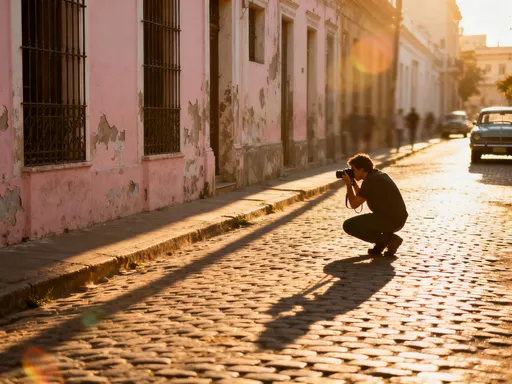
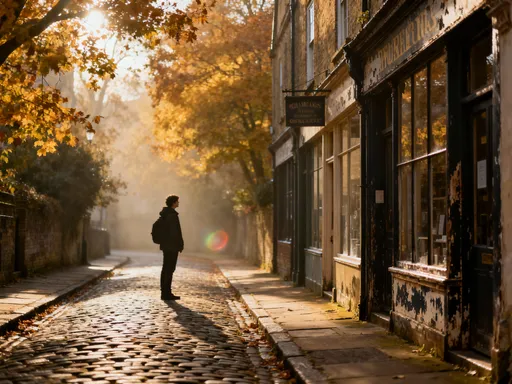
The Old Town, or Ciudad Vieja, is Montevideo’s visual heartbeat. Cobbled streets, colonial architecture, and vintage shopfronts create a natural set for both black-and-white and color photography. Walking through this district feels like stepping into a living archive, where history isn’t preserved behind glass but lived in real time. Buildings from the 18th and 19th centuries stand shoulder to shoulder with modern cafes and art galleries, creating a layered aesthetic that’s both nostalgic and vibrant. The area’s charm lies in its imperfections—the peeling paint on wooden shutters, the rusted iron railings, the uneven stones underfoot—all of which add depth and authenticity to your images.
One of the most compelling spots in Ciudad Vieja is Plaza Matriz, the city’s oldest square. Framed by the neoclassical Cabildo and the Catedral Metropolitana, the plaza offers strong architectural lines and balanced symmetry, ideal for formal compositions. Yet, it’s also alive with movement—locals sipping coffee at outdoor tables, children chasing pigeons, elderly men playing chess beneath the shade of plane trees. These human elements animate the space, turning static architecture into dynamic storytelling. The interplay of light and shadow across the plaza’s stone surface changes throughout the day, offering fresh opportunities for visual exploration with each visit.
Another iconic structure, the Palacio Salvo, rises like a sentinel over the city skyline. Once the tallest building in South America, this early 20th-century landmark blends Gothic, Renaissance, and Art Nouveau influences into a striking silhouette. Photographing it from the corner of 18 de Julio and Buenos Aires avenues provides a dramatic perspective, especially at dusk when its upper floors are lit against the darkening sky. But the real magic often lies in the details: the ornate tile work near its base, the reflections in nearby puddles after a rain, or the way pedestrians appear miniature in comparison. These smaller frames can be more powerful than wide-angle shots, revealing scale, texture, and mood.
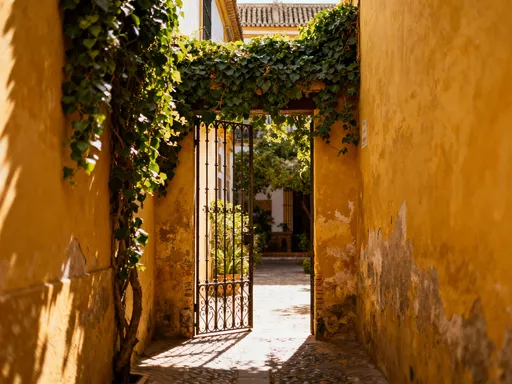
For those seeking quieter corners, the alleys near Calle Pérez Castellano offer intimate vignettes. These narrow lanes, often overlooked by tourists, are lined with colonial-era homes featuring wooden doors painted in faded blues, greens, and ochres. Sunlight filters through iron grilles, casting delicate patterns on the ground. A single flowerpot on a windowsill, a bicycle leaning against a wall, or a cat stretching in a sunbeam—these quiet moments are the essence of street photography. They require patience and presence, but the rewards are images that feel personal and timeless. Unlike heavily touristed areas where scenes feel staged, Ciudad Vieja retains a sense of authenticity that makes every photograph feel earned.
Rambla and the Waterfront Light Show
Montevideo hugs the Río de la Plata, and its rambla—a 22-kilometer seaside promenade—is pure magic at golden hour. This continuous stretch of walkway, bike path, and green space runs along the city’s entire coastline, offering some of the most consistent and rewarding photo opportunities in the region. The rambla isn’t just a place; it’s a rhythm. It pulses with the energy of joggers, cyclists, families, and couples strolling hand in hand. The river, wide and silvery, mirrors the sky in ever-changing hues, creating a natural canvas for long exposures and silhouette work.
The stretch around Playa Pocitos is particularly photogenic. Here, the sand meets a gently curving bay, and the water takes on a soft turquoise tint under clear skies. The iconic Pocitos sign, reminiscent of Hollywood but on a more human scale, stands as a playful landmark. Photographing it at sunrise, with the first light catching its letters, yields a cheerful, nostalgic tone. But the real strength of this area lies in its candid moments—the child building a sandcastle, the dog splashing in the surf, the couple sharing mate under an umbrella. These slices of daily life, set against the vastness of the river, create a visual contrast that speaks to both intimacy and expansiveness.
Further south, near Punta Carretas, the rambla becomes more urban and textured. The seawall is adorned with colorful graffiti, and repurposed tunnels beneath the coastal road serve as informal art galleries and gathering spots. These spaces offer dramatic lighting conditions—deep shadows cut by shafts of sunlight, vibrant murals glowing in contrast to concrete walls. Shooting here requires attention to framing and exposure, but the results can be striking. A lone figure walking through a graffiti-covered tunnel, backlit by the afternoon sun, becomes a powerful symbol of movement and transition.
Timing is essential along the rambla. Golden hour—roughly the first and last hour of sunlight—transforms the entire coastline into a warm, glowing stage. During these windows, the low angle of the sun elongates shadows, enhances textures, and creates a soft, flattering light ideal for portraits and landscapes alike. Blue hour, the period just after sunset, offers a cooler, more serene palette. The city lights begin to flicker on, reflecting in the wet sand and river surface, perfect for long-exposure shots with tripods or stabilized smartphones. Even on overcast days, the rambla remains visually rich. The diffused light minimizes harsh contrasts, allowing for even exposure and a moody, contemplative atmosphere.
Mercado del Puerto: A Feast for the Eyes (Not Just the Stomach)
Mercado del Puerto is world-famous for its asado, the Uruguayan barbecue that draws food lovers from across the globe. But for photographers, the real attraction lies in the atmosphere—the smoke, the sizzle, the energy of a place where tradition and community converge. Housed in a striking iron-arched pavilion built in 1868, the market is a feast for the senses long before you take a bite. The high ceilings, exposed beams, and natural light filtering through the glass roof create a dramatic interior space, ideal for capturing both wide scenes and intimate details.
The key to photographing Mercado del Puerto lies in observation and respect. This is not a stage for tourists; it’s a working market where vendors, cooks, and locals go about their daily lives. Approaching people with a smile and asking permission before taking portraits goes a long way in building trust. Many are happy to be photographed, especially if you show genuine interest in their craft. Focus on the hands—the butcher slicing flank steak, the grill master adjusting coals, the server balancing trays of chimichurri and bread. These close-up shots tell stories of skill, labor, and tradition without needing to show a face.
Lighting inside the market varies dramatically. Near the entrances and under the skylights, natural illumination is strong and even. Deeper inside, especially around the grills, the environment becomes darker and smokier, with pockets of warm light from lamps and fire. This contrast can be challenging but also creatively rewarding. Using a slightly higher ISO and wider aperture allows you to capture the glow of embers and the haze of smoke without losing detail. Shooting in RAW format gives you more flexibility in post-processing to recover shadows and highlights.
Beyond the food, the market’s architecture and signage offer compelling subjects. The ornate ironwork of the building’s structure, the hand-painted signs above stalls, the stacks of wooden chairs waiting to be set—each element contributes to the visual narrative. These details, often overlooked, ground your photos in authenticity. They remind viewers that this is not just a tourist attraction but a living, breathing part of Montevideo’s culture. Photographing Mercado del Puerto isn’t about documenting a meal; it’s about preserving a moment of communal life, where food, history, and human connection come together in one unforgettable space.
Barrio Sur and Palermo: Color, Culture, and Contrast
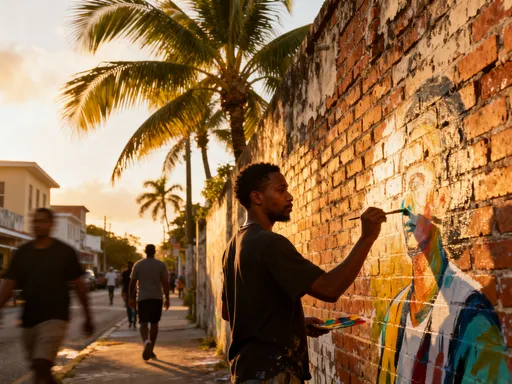
Just beyond the historic center, Barrio Sur and Palermo offer a vivid contrast in tone, texture, and cultural expression. Barrio Sur, one of Montevideo’s oldest neighborhoods, is a cradle of Afro-Uruguayan heritage and a hub of candombe music, a rhythmic tradition with African roots that pulses through the streets during festivals. The area is also a canvas for vibrant street art, with murals celebrating local heroes, historical moments, and social themes. These large-scale paintings, often painted on the sides of modest homes, transform ordinary walls into powerful statements. Photographing them requires attention to context—capturing not just the image but the surroundings, the people, the way art lives within the community.
Palermo, on the other hand, presents a more tranquil aesthetic. This residential neighborhood is known for its well-preserved early 20th-century homes, tree-lined avenues, and seasonal bursts of color when jacaranda trees bloom in vivid purple. The architecture here reflects European influences, with stucco facades, wrought-iron balconies, and tiled roofs. Unlike more tourist-heavy areas, Palermo feels lived-in and peaceful, making it ideal for quiet, reflective photography. Early morning walks often yield soft light filtering through leaves, casting dappled patterns on sidewalks and walls. A single bicycle leaning against a pastel-colored house, a cat perched on a windowsill, or a gardener tending to roses—these moments embody the neighborhood’s gentle rhythm.
What makes these two areas especially compelling is their juxtaposition. Barrio Sur pulses with energy and cultural pride, while Palermo exudes calm and elegance. Together, they illustrate Montevideo’s diversity—not in a performative way, but as a natural part of the city’s fabric. When photographing in either neighborhood, it’s important to move with awareness and respect. Knocking on doors or entering private property without permission is not appropriate. Instead, focus on public spaces, street life, and architectural details. Engaging with locals, even through brief conversations, can lead to more meaningful images and a deeper understanding of the place.
Safety is also a consideration, particularly in Barrio Sur after dark. While the area is generally safe during daylight hours, it’s wise to stay alert and avoid isolated streets. Traveling with a local guide or joining a cultural walking tour can enhance both your experience and your photographic opportunities. These tours often include access to community events, music rehearsals, or art studios—moments that would be difficult to find on your own. They also ensure that your presence is welcomed, not intrusive. In a city like Montevideo, where authenticity matters, respectful engagement is the foundation of powerful photography.
Beyond the Frame: Practical Tips for Shooting Montevideo
Capturing Montevideo’s essence goes beyond having the right subject—it’s also about preparation, awareness, and technique. One of the first decisions you’ll make is about gear. While professional cameras offer control and quality, they’re not necessary for compelling images. Many of the most moving photographs from my trip were taken with a lightweight mirrorless camera and a single 35mm lens. This setup allowed me to move quickly, stay unobtrusive, and focus on composition rather than equipment. For those using smartphones, enabling grid lines, shooting in natural light, and avoiding digital zoom can significantly improve results.
Understanding local etiquette is just as important as technical skill. Uruguayans are generally warm and welcoming, but they value privacy and personal space. If you want to photograph someone—especially in markets, neighborhoods, or public gatherings—smile, make eye contact, and ask politely. A simple “¿Puedo tomar una foto?” (Can I take a photo?) is often met with a nod or a gesture of approval. Respecting a “no” is equally important. When portraits aren’t possible, focus on details: a hand holding a cup of mate, a child’s shoes left by the door, the pattern of tiles on a courtyard floor. These indirect images can be just as evocative.
Timing your shoot around the city’s natural rhythms will also improve your results. Mornings are ideal for soft light and fewer crowds, especially in popular areas like Ciudad Vieja and the rambla. Midday can be harsh, but overcast days offer diffused lighting that’s excellent for color and texture. Late afternoon and early evening bring golden hour and blue hour, prime times for waterfront shots and cityscapes. Planning your route around these windows ensures you’re in the right place at the right time.
Transportation in Montevideo is straightforward. The city is walkable in central areas, and the bus network is reliable and affordable. For longer distances, ride-sharing apps are available and safe. Walking is the best way to discover hidden corners—you’re more likely to notice a mural around a bend or a quiet courtyard behind a gate. Avoid looking like a lost tourist by keeping your camera tucked away when not in use and using a map discreetly. Confidence and calm presence help you blend in, making it easier to capture authentic moments without drawing attention.
Why Montevideo Deserves More Than a Snapshot
Montevideo changed the way I think about travel photography. It taught me that the most powerful images aren’t always the most dramatic—they’re the ones that carry feeling, context, and connection. This city doesn’t shout for attention; it whispers. It reveals itself slowly, through repeated visits, quiet observation, and open-hearted curiosity. In a world where travel is often reduced to checklists and social media highlights, Montevideo reminds us to look deeper, to stay longer, to see more.
What makes Montevideo special isn’t just its photogenic streets or golden light—it’s the way these elements reflect a way of life. The city values balance: between tradition and modernity, between public space and private moments, between movement and stillness. As photographers, we have the privilege of witnessing this balance and sharing it with others. But our role isn’t just to document—we’re also called to respect, to listen, and to participate with humility.
So pick up your camera, whether it’s a DSLR or a smartphone, and go. Let Montevideo surprise you. Let its quiet corners speak to you. Don’t chase perfection; seek presence. The best photographs aren’t taken—they’re given, offered by a place that feels seen and understood. Montevideo doesn’t need more snapshots. It deserves stories. And you, with your lens and your heart, are ready to tell them.