Youth on Your Plate: How Everyday Eating Shapes How You Age
Aging is inevitable, but how we age? That’s where our daily choices step in—especially what we eat. Science shows that long-term vitality isn’t just about creams or workouts; it starts on your plate. I’ve tested small, sustainable shifts in my own eating habits and noticed real changes—more energy, clearer skin, better sleep. This isn’t about extreme diets or miracle fixes. It’s about simple, proven food principles that support your body as it evolves. Let’s explore how eating smarter can help you feel younger, longer.
The Hidden Link Between Food and Aging
While aging is often measured in birthdays, its true footprint lies deep within the body—at the cellular level. Wrinkles and gray hair are visible signs, but what’s happening beneath the surface has a far greater impact on long-term health. Every bite of food influences biological processes such as oxidative stress, inflammation, and cellular repair. These internal mechanisms determine not only how we look but how well we function over time. Research in nutritional science has increasingly shown that diet plays a central role in modulating the pace of aging, making food one of the most powerful tools we have for preserving vitality.
Oxidative stress occurs when there’s an imbalance between free radicals—unstable molecules produced during normal metabolism—and the body’s ability to neutralize them with antioxidants. Over time, unchecked free radicals damage cells, proteins, and DNA, accelerating the aging process. Chronic inflammation, another silent driver of aging, has been linked to conditions like heart disease, arthritis, and cognitive decline. Diets high in processed sugars, refined grains, and trans fats fuel both oxidative stress and inflammation. In contrast, whole, nutrient-dense foods rich in antioxidants—such as berries, leafy greens, and nuts—help protect cells and support the body’s natural defenses.
One of the most fascinating areas of aging research involves telomeres, the protective caps at the ends of our chromosomes. Each time a cell divides, telomeres shorten slightly, and when they become too short, the cell can no longer divide and becomes inactive or dies. This shortening is a natural part of aging, but lifestyle factors—including diet—can influence the rate. Studies have shown that people who consume diets high in fruits, vegetables, whole grains, and healthy fats tend to have longer telomeres, suggesting a slower biological aging process. Nutrients like vitamin C, vitamin E, and omega-3 fatty acids have been specifically associated with telomere maintenance, highlighting the direct connection between food choices and cellular longevity.
It’s important to understand that the goal of anti-aging nutrition isn’t to erase visible signs of aging, but to promote functional resilience. This means supporting the body’s ability to move, think, and recover well into later years. By making consistent, informed food choices, individuals can reduce cellular damage, enhance repair mechanisms, and create an internal environment that favors long-term health. The foundation of this approach isn’t complexity—it’s consistency in choosing foods that nourish rather than deplete the body’s resources.
Ditch the Myths: What Anti-Aging Nutrition Isn’t
The world of anti-aging nutrition is filled with misleading claims and quick-fix promises. From juice cleanses to extreme fasting regimens, many popular trends promise to turn back the clock with dramatic interventions. However, real longevity isn’t achieved through deprivation or temporary fixes. Sustainable health comes from balanced, everyday habits—not extreme measures that are difficult to maintain and often lack scientific backing. This section aims to clear up common misconceptions about anti-aging diets and redirect focus toward realistic, evidence-based practices that support long-term well-being.
One of the most persistent myths is that carbohydrates are the enemy of youth. While refined carbs like white bread, pastries, and sugary snacks can contribute to inflammation and blood sugar spikes, whole carbohydrates from sources like oats, sweet potatoes, beans, and whole grains are essential for energy, digestion, and brain function. The key is not elimination but selection. Choosing complex, fiber-rich carbs helps stabilize blood sugar, supports gut health, and provides sustained energy—factors that contribute to feeling vibrant and alert throughout the day. Labeling all carbs as harmful oversimplifies a nuanced topic and can lead to unnecessary dietary restrictions that may do more harm than good.
Another widespread misconception is the idea of “detoxing” through special diets or supplements. The truth is, the human body already has a highly efficient detoxification system—primarily managed by the liver and kidneys. When these organs are functioning properly, they continuously filter and eliminate waste and toxins without the need for juice fasts or expensive cleanses. In fact, extreme detox programs can disrupt metabolism, lead to nutrient deficiencies, and place unnecessary stress on the body. Instead of seeking external detox solutions, the best way to support natural detoxification is through consistent hydration, a diet rich in fiber and antioxidants, and limiting exposure to processed foods and environmental toxins.
There’s also a growing fascination with so-called “superfoods” that promise miraculous anti-aging benefits. While foods like acai berries, goji berries, and exotic powders can be nutritious, they are not magic bullets. No single food can reverse aging or compensate for an otherwise poor diet. Longevity is built on dietary patterns, not isolated ingredients. Relying on expensive, trendy items can create financial strain and distract from the fundamentals: eating a variety of whole, minimally processed foods every day. The real power lies not in chasing the latest superfood, but in consistently choosing nutrient-dense options that support overall health.
Finally, many people believe that anti-aging nutrition requires strict rules and perfection. This mindset can lead to frustration and an unhealthy relationship with food. The truth is, progress matters more than perfection. Occasional treats, flexible eating, and mindful indulgences are part of a balanced life. What counts is the overall pattern—making mostly nourishing choices while allowing room for enjoyment. Sustainable anti-aging nutrition is not about rigid control; it’s about building a flexible, enjoyable eating style that supports energy, health, and well-being for decades to come.
The Power of Plants: Why Phytonutrients Are Game-Changers
One of the most compelling reasons to fill your plate with fruits, vegetables, herbs, and spices lies in their rich content of phytonutrients—natural compounds that give plants their vibrant colors and protective properties. These bioactive substances do far more than enhance flavor and appearance; they play a crucial role in defending cells against damage, supporting organ function, and slowing age-related decline. Unlike essential nutrients such as vitamins and minerals, phytonutrients are not required for survival, but decades of research show they are vital for thriving as we age.
Take polyphenols, for example—a large group of phytonutrients found in berries, tea, dark chocolate, and red grapes. These compounds have been extensively studied for their antioxidant and anti-inflammatory effects. They help neutralize free radicals, reduce oxidative stress, and support cardiovascular health by improving blood vessel function and lowering blood pressure. Flavonoids, a subclass of polyphenols, have also been linked to better cognitive performance and a reduced risk of neurodegenerative diseases. Regular consumption of polyphenol-rich foods may help preserve memory, focus, and mental clarity well into older age.
Lycopene, the pigment that gives tomatoes their red hue, is another powerful phytonutrient with anti-aging potential. Research suggests that lycopene may protect skin from UV damage, improve skin elasticity, and reduce the appearance of fine lines. It’s also associated with a lower risk of prostate issues and heart disease. Interestingly, cooking tomatoes with a healthy fat like olive oil increases the body’s absorption of lycopene, making dishes like tomato sauce or roasted red pepper soup not only delicious but highly functional for long-term health.
Curcumin, the active compound in turmeric, has gained attention for its potent anti-inflammatory properties. Chronic inflammation is a key driver of aging, and curcumin has been shown to inhibit inflammatory pathways at the molecular level. While turmeric alone contains only a small amount of curcumin, combining it with black pepper (which contains piperine) can enhance absorption by up to 2,000%. This simple culinary trick—adding a pinch of black pepper to golden milk or curried dishes—can significantly boost its health benefits.
To maximize the benefits of phytonutrients, experts recommend eating a wide variety of colorful produce. Each color group—red, orange, yellow, green, blue, purple, and white—contains different types of protective compounds. Aiming for at least five to nine servings of fruits and vegetables daily ensures a broad spectrum of nutrients. Rotating produce weekly prevents dietary monotony and exposes the body to a wider range of beneficial plant chemicals. Choosing organic versions of the “Dirty Dozen”—produce most likely to carry pesticide residues—can further reduce exposure to environmental toxins, supporting overall health and resilience.
Healthy Fats: Fueling Your Cells Without the Crash
Fats have long been misunderstood, often blamed for weight gain and heart disease. But the truth is, not all fats are created equal—and certain types are essential for healthy aging. The right fats support brain function, hormone production, skin health, and cellular integrity. They also help the body absorb fat-soluble vitamins like A, D, E, and K, which play critical roles in immunity, bone health, and vision. Eliminating fat from the diet can lead to dry skin, low energy, and nutrient deficiencies, while choosing the wrong kinds can accelerate inflammation and metabolic decline.
Trans fats, found in many processed and fried foods, are among the most harmful. These artificially created fats increase LDL (“bad”) cholesterol, decrease HDL (“good”) cholesterol, and promote systemic inflammation—accelerating the aging of blood vessels and organs. While many countries have restricted their use, they can still be found in some packaged snacks, margarines, and baked goods. Reading ingredient labels and avoiding products that list “partially hydrogenated oils” is a crucial step in protecting long-term health.
Omega-6 fatty acids, while essential in small amounts, are often consumed in excess in modern diets—especially from processed vegetable oils like soybean, corn, and sunflower oil. When the balance between omega-6 and omega-3 fats is skewed too far toward omega-6, it can promote chronic inflammation. In contrast, omega-3 fatty acids—found in fatty fish like salmon and sardines, as well as flaxseeds, chia seeds, and walnuts—have strong anti-inflammatory effects. Regular intake of omega-3s has been linked to improved cognitive function, reduced joint pain, and better heart health, making them a cornerstone of an anti-aging diet.
Monounsaturated fats, particularly those in olive oil, avocados, and nuts, are another powerful ally in healthy aging. The Mediterranean diet, rich in these fats, has been consistently associated with longer life expectancy and reduced risk of age-related diseases. Extra virgin olive oil, in particular, contains polyphenols that protect against oxidative damage and support vascular health. Replacing butter or refined vegetable oils with olive oil in cooking and dressings is a simple yet effective way to upgrade daily fat intake.
Another common myth is that eating fat leads to body fat. In reality, dietary fat does not automatically turn into stored fat. The body needs fat to function properly, and when consumed in balance with protein and fiber-rich carbohydrates, healthy fats promote satiety, stabilize blood sugar, and prevent energy crashes. Including a source of healthy fat with each meal—such as avocado on toast, nuts in a salad, or olive oil in a grain bowl—can help maintain steady energy levels and reduce cravings throughout the day.
Protein’s Role in Preserving Strength and Structure
As we age, one of the most significant yet overlooked changes is the gradual loss of muscle mass, a condition known as sarcopenia. This process can begin as early as the mid-30s, with adults losing 3–8% of muscle mass per decade. Without intervention, this decline affects strength, balance, metabolism, and independence. Protein is the key nutrient that helps counteract this loss by supporting muscle synthesis and repair. Yet, many adults—especially women—do not consume enough high-quality protein to meet their needs, particularly as they grow older.
Protein is made up of amino acids, the building blocks of muscle, skin, hair, and connective tissue. Certain amino acids, like leucine, play a particularly important role in triggering muscle protein synthesis. To maintain lean mass, it’s not enough to simply eat protein at one meal; it’s best to distribute intake evenly throughout the day. Research suggests that consuming 25–30 grams of high-quality protein at each meal is more effective for muscle preservation than eating most of it at dinner. This approach keeps the body in a constant state of repair and renewal, rather than relying on infrequent protein surges.
Good sources of protein include lean meats, poultry, fish, eggs, dairy products, legumes, tofu, tempeh, and Greek yogurt. Animal-based proteins contain all essential amino acids in optimal ratios, while plant-based sources may require combining different foods—such as beans and rice—to ensure completeness. For those following a plant-forward diet, incorporating a variety of protein-rich foods throughout the day can meet nutritional needs without reliance on supplements.
Beyond muscle, protein supports skin elasticity and wound healing. Collagen, the most abundant protein in the body, gives skin its firmness and structure. While collagen supplements have gained popularity, the body can produce its own collagen when provided with adequate protein, vitamin C, and zinc. Including protein-rich meals along with vitamin C–rich foods—like bell peppers, citrus, or broccoli—can naturally support skin health from within.
It’s also important to pair protein intake with physical activity, especially resistance training. Exercise signals the muscles to use the amino acids from food to build and strengthen tissue. Even light strength training two to three times a week can make a significant difference in preserving muscle mass and functional ability. The combination of proper nutrition and movement creates a powerful synergy that supports strength, mobility, and confidence at every stage of life.
Eating Patterns That Support Longevity
What you eat matters, but so do the rhythms of your eating. The timing, pace, and context of meals influence digestion, metabolism, and overall well-being. Emerging research in circadian biology shows that aligning food intake with the body’s natural daily rhythms can enhance energy, improve sleep, and support healthy aging. This doesn’t require rigid rules, but rather mindful adjustments that work with your lifestyle.
One effective approach is time-restricted eating, where food intake is limited to a consistent window each day—typically 8 to 12 hours. For example, eating from 8 a.m. to 6 p.m. allows the body a longer period of fasting overnight, which may support cellular repair and metabolic health. This pattern doesn’t require calorie counting or food elimination; it simply emphasizes consistency and giving the digestive system a rest. Many people find that avoiding late-night snacks improves sleep quality and reduces bloating.
Another key habit is eating slowly and mindfully. It takes about 20 minutes for the brain to register fullness. When meals are rushed, it’s easy to overeat before the body signals satisfaction. Chewing thoroughly, putting down utensils between bites, and minimizing distractions during meals can help tune into natural hunger and fullness cues. This practice not only aids digestion but also enhances the enjoyment of food, turning meals into moments of nourishment and calm.
Stopping at about 80% full—a principle known as “hara hachi bu” in Okinawan culture—has been linked to longevity in populations with some of the highest life expectancies. This gentle restraint prevents overburdening the digestive system and helps maintain a healthy weight over time. It’s not about deprivation, but about awareness and respect for the body’s limits.
Finally, making meals a regular, unhurried part of the day supports emotional well-being. Sharing food with family, savoring flavors, and creating a peaceful eating environment contribute to a positive relationship with food. Stress and emotional eating can disrupt digestion and lead to poor food choices, so cultivating calm around meals is an essential part of anti-aging nutrition.
Building a Realistic Anti-Aging Plate (Action Plan)
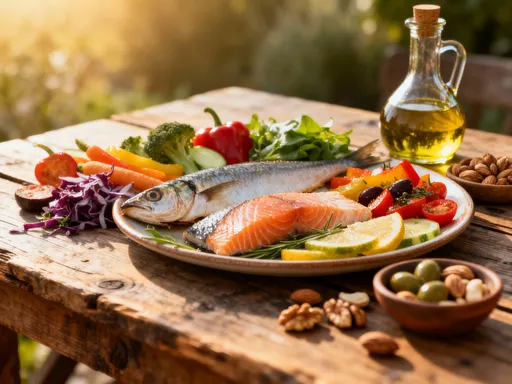
Putting all these principles into practice doesn’t require a complete diet overhaul. The goal is progress, not perfection. Start by building a plate that includes a variety of colorful vegetables, a source of lean protein, healthy fats, and a modest portion of whole grains or starchy vegetables. For example, a balanced lunch might include grilled salmon, roasted sweet potatoes, sautéed spinach with olive oil and garlic, and a side of blueberries. Small, consistent changes—like adding an extra serving of vegetables, swapping refined grains for whole grains, or choosing water over sugary drinks—add up over time.
When grocery shopping, focus on the perimeter of the store where fresh produce, proteins, and dairy are located. Read labels to avoid added sugars, artificial ingredients, and unhealthy fats. Plan simple meals in advance to reduce reliance on convenience foods. Batch-cooking grains, roasting vegetables, or preparing a large salad at the beginning of the week can make healthy eating more convenient during busy days.
Hydration is another cornerstone of vitality. Drinking enough water supports digestion, skin health, and energy levels. Herbal teas, broths, and water-rich fruits and vegetables also contribute to fluid intake. Limiting alcohol and sugary beverages can further improve overall well-being.
Remember, longevity isn’t about following a rigid set of rules. It’s about creating a flexible, enjoyable way of eating that supports your body for decades to come. By focusing on whole foods, mindful habits, and consistent choices, you can nourish yourself in a way that promotes strength, clarity, and resilience—no matter your age. The plate you build today is the foundation for the energy and vitality you’ll enjoy tomorrow.