How I Tamed My Cholesterol Naturally—And What Really Works
High cholesterol sneaked up on me without symptoms, until a routine check revealed the truth. I wasn’t eating junk all day, so what went wrong? Like many, I assumed medication was the only path. But through small, consistent changes in eating, moving, and thinking about health, I saw real shifts. This isn’t a cure—it’s a lifestyle shift grounded in science and sustainability. Here’s how a systemic approach transformed my numbers and mindset, with lessons that might help you too.
The Silent Threat: Understanding Cholesterol Beyond the Hype
Cholesterol is a waxy substance found in every cell of the body, essential for producing hormones, vitamin D, and substances that help digest food. It travels through the bloodstream in packages called lipoproteins, the most well-known being low-density lipoprotein (LDL) and high-density lipoprotein (HDL). Often labeled as “bad” and “good” cholesterol, these terms simplify a more complex reality. LDL carries cholesterol to the tissues, including the arteries, where excess can build up over time, especially when it becomes oxidized due to inflammation. HDL, on the other hand, helps remove cholesterol from the bloodstream and transport it back to the liver for processing and elimination.
Triglycerides, another type of fat in the blood, are also part of the lipid panel checked during routine screenings. High levels often accompany elevated LDL and low HDL, forming a pattern linked to increased cardiovascular risk. However, focusing only on these numbers can be misleading. Two people with the same LDL level may have very different risk profiles based on particle size, inflammation markers, and overall metabolic health. Small, dense LDL particles are more likely to penetrate artery walls and contribute to plaque formation than larger, buoyant ones. This means that cholesterol levels alone don’t tell the whole story—context matters.
For years, dietary cholesterol—found in foods like eggs and shellfish—was blamed for raising blood cholesterol. But current research shows that for most people, dietary cholesterol has a minimal impact on blood levels. Instead, the real culprits are often refined carbohydrates, trans fats, and chronic inflammation. The body produces most of its cholesterol in the liver, and what you eat, how you move, and how stressed you are all influence that internal production. Cholesterol is not the enemy; it’s a messenger. High levels often signal deeper imbalances—like insulin resistance, poor liver function, or a diet high in processed foods—that need attention.
My Wake-Up Call: A Normal Life, Hidden Risk
I was 46 when my doctor called me back after a routine physical. I weighed about the same as I had in my 30s, walked regularly, and didn’t smoke. I didn’t consider myself unhealthy. But my lipid panel told a different story: LDL at 160 mg/dL, HDL just 42, and triglycerides creeping into the borderline-high range. My doctor mentioned statins as a likely next step. I left the office with a knot in my stomach. How could I, someone who tried to eat well and stay active, be at risk?
The emotional impact was subtle but real. It wasn’t fear of immediate danger—there were no chest pains or warning signs—but a quiet dread of what might come if I did nothing. I started reading more, not just about cholesterol, but about heart health in midlife women. I learned that after menopause, many women see shifts in their lipid profiles due to changing hormone levels. Estrogen, which helps maintain healthy HDL levels, declines, and the body’s ability to manage fats changes. This biological shift, combined with years of subtle habits—skipping breakfast, grabbing convenience foods, not sleeping enough—can quietly tip the balance.
What struck me most was how common this was. Friends in their 40s and 50s were also getting flagged for high cholesterol, even if they weren’t overweight or sedentary. It wasn’t about one bad choice; it was about patterns that accumulate over time. That realization shifted my mindset. Instead of seeing the diagnosis as a failure, I began to see it as information—an early warning system giving me time to act. I decided to try a six-month experiment: could I improve my numbers through lifestyle changes alone, with my doctor’s guidance? The goal wasn’t perfection, but progress.
Why Quick Fixes Fail: The Problem with Isolated Solutions
In the weeks after my diagnosis, I tried a few quick fixes. I bought a supplement advertised for heart health, cut out eggs for a month, and even tried a short-term low-fat diet. None of it made a noticeable difference. What I came to understand is that isolated changes rarely work because cholesterol is not caused by one single factor. It’s a system-wide reflection of how your body processes energy, manages inflammation, and responds to stress. You can’t fix a car engine by polishing the hood—and you can’t balance your lipids by focusing on just one part of the puzzle.
Many people turn to supplements like red yeast rice, plant sterols, or omega-3s, which do have some scientific backing. But taking a pill without changing underlying habits is like bailing water from a boat with a hole. The supplement might help a little, but if your diet is still high in sugar and refined grains, or if you’re not sleeping well, the root causes remain. Similarly, fad diets—like extreme low-fat or high-protein plans—can create short-term changes but are hard to maintain and may lack balance. Some can even backfire, leading to nutrient deficiencies or increased stress on the liver.
Then there’s the reliance on medication alone. Statins are effective for many and can be life-saving, but they’re not a substitute for healthy living. Some people assume that once they’re on medication, they no longer need to worry about diet or exercise. But research shows that lifestyle changes enhance the benefits of medication and can reduce the dose needed over time. More importantly, lifestyle influences more than just cholesterol—it affects blood pressure, blood sugar, energy levels, and mood. Treating cholesterol in isolation misses the bigger picture of long-term health.
Building a System: The Four Pillars of Lasting Lipid Balance
What finally worked for me wasn’t a single change, but a system built on four interconnected pillars: nutrition, movement, sleep, and stress regulation. Each plays a distinct role in lipid metabolism, and together, they create a foundation that supports lasting change. This approach isn’t about drastic overhauls or willpower—it’s about consistency, small adjustments, and understanding how each piece supports the others.
Nutrition is often the first place people look, and for good reason. What you eat directly affects the raw materials your body uses to build and regulate cholesterol. But it’s not just about avoiding fat. The quality of carbohydrates, the type of fat, and the amount of fiber all matter. A diet rich in whole grains, legumes, vegetables, fruits, nuts, and seeds supports healthy lipid levels by improving insulin sensitivity and reducing inflammation. Meanwhile, regular physical activity helps raise HDL, lower triglycerides, and improve circulation. It doesn’t have to be intense—daily walks, gardening, or dancing in the kitchen count.
Sleep is an often-overlooked factor. When you don’t get enough quality sleep, your body produces more cortisol, a stress hormone that can increase blood sugar and insulin resistance—both of which negatively affect lipid metabolism. Poor sleep also disrupts hunger hormones, making you more likely to crave sugary, high-carb foods the next day. Then there’s stress. Chronic stress keeps the body in a constant state of alert, which over time can lead to inflammation and metabolic dysfunction. Learning to manage stress—through mindfulness, breathing exercises, or simply setting boundaries—can have a surprising impact on cholesterol levels.
The power of this system lies in synergy. Eating well gives you more energy to move. Moving regularly helps you sleep better. Better sleep makes it easier to manage stress. And lower stress supports healthier eating habits. These aren’t separate goals—they’re parts of a cycle that reinforces itself. When one area improves, the others tend to follow. That’s why a holistic approach is more effective and sustainable than focusing on any single fix.
What I Actually Changed: Real Habits That Moved the Needle
With my doctor’s support, I began making gradual changes in each of the four pillars. In my diet, I started by reducing refined carbohydrates—white bread, pastries, sugary cereals—and replacing them with whole grains like oats, quinoa, and brown rice. I also increased my fiber intake, aiming for at least 25 grams a day from vegetables, beans, and fruits. Soluble fiber, found in oats, apples, and lentils, is particularly helpful because it binds to bile acids in the gut, which the liver then replaces by pulling cholesterol from the bloodstream.
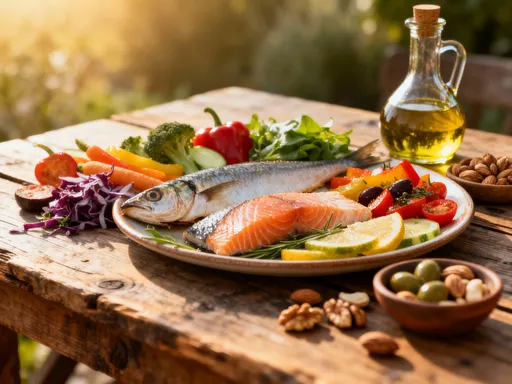
I began including a small handful of nuts—especially walnuts and almonds—each day, as they contain heart-healthy fats and plant sterols. I also added fatty fish like salmon or mackerel twice a week for omega-3 fatty acids, which help lower triglycerides. I didn’t eliminate all treats, but I became more mindful about when and why I ate them. I learned to read labels, avoiding foods with trans fats and high fructose corn syrup, both of which can raise LDL and triglycerides.
For movement, I committed to 30 minutes of moderate activity most days. At first, that meant brisk walks around my neighborhood. Over time, I added strength training twice a week, which helped build muscle and improve metabolism. I also found ways to move more throughout the day—taking the stairs, parking farther away, stretching during TV commercials. These small choices added up.
Sleep was harder to fix. I used to stay up late scrolling on my phone, then struggle to wake up in the morning. I set a bedtime routine: no screens an hour before bed, a cup of herbal tea, and reading a book. Within a few weeks, I was falling asleep faster and waking up more refreshed. For stress, I started with five minutes of deep breathing each morning. I also began journaling, which helped me process emotions instead of letting them build up. I learned to say no to extra commitments that drained my energy, protecting my time and peace.
I tracked my progress not just through blood tests—my next panel showed LDL down to 128 and HDL up to 50—but also by how I felt. I had more energy, better focus, and fewer afternoon crashes. My clothes fit better, not because I lost a lot of weight, but because my body composition was changing. These non-scale victories kept me motivated when the changes felt slow.
Science Meets Daily Life: How These Changes Work Biologically
Understanding the biology behind these changes made them feel less like chores and more like acts of care. Take fiber: when you eat soluble fiber, it forms a gel-like substance in the gut that binds to bile acids, which are made from cholesterol. The body then excretes these bound compounds, and to make more bile, the liver pulls cholesterol from the blood—effectively lowering circulating levels. It’s like your digestive system is helping clean up excess cholesterol naturally.
Exercise boosts HDL by stimulating enzymes that help move cholesterol from the blood and tissues back to the liver. Physical activity also improves insulin sensitivity, meaning your cells respond better to insulin and are less likely to store excess sugar as fat. This reduces the burden on the liver, which plays a central role in cholesterol production. Think of your liver as a factory: when it’s overloaded with sugar and fat, it produces more LDL. When it gets cleaner fuel—like whole foods and steady energy from movement—it runs more efficiently.
Sleep affects cholesterol through hormones. During deep sleep, the body repairs tissues and balances hormones like cortisol and insulin. When sleep is poor, cortisol stays elevated, promoting fat storage and inflammation. This can lead to a condition called metabolic syndrome, which includes high triglycerides, low HDL, and increased abdominal fat—all risk factors for heart disease. By prioritizing sleep, you’re giving your body the downtime it needs to regulate these systems.
Stress management works on multiple levels. Chronic stress activates the sympathetic nervous system, which can raise heart rate and blood pressure. Over time, this contributes to arterial damage, making it easier for cholesterol to stick to vessel walls. Stress also influences behavior—leading to emotional eating, poor sleep, and skipped workouts—which indirectly affects lipids. Practices like deep breathing, meditation, or even time in nature help activate the parasympathetic system, which promotes relaxation and recovery. This shift supports overall cardiovascular health and creates space for better choices.
Sustaining the Shift: Making It Stick Without Burnout
The biggest lesson I’ve learned is that long-term change isn’t about perfection. There are days I eat dessert, skip a walk, or stay up too late. But instead of seeing these as failures, I’ve learned to view them as part of a larger pattern. Health isn’t a punishment—it’s a form of self-respect. When I frame my choices as acts of care rather than restrictions, they feel sustainable.
I’ve also learned the importance of planning for setbacks. Life happens—family events, work deadlines, illness—and during those times, I focus on maintaining the basics: drinking water, moving a little, and getting rest when I can. I don’t try to do everything perfectly. I’ve built in flexibility, like allowing myself one less healthy meal a week, so I don’t feel deprived. This prevents the all-or-nothing thinking that often leads to burnout.
Social support has been crucial. I talked to my family about my goals, and they’ve been encouraging. My husband now joins me on weekend walks, and my daughter helps me chop vegetables. Sharing the journey makes it feel less like a solo mission. I also celebrate non-scale victories—like having more energy to play with my grandchildren or feeling calm during a busy day. These moments remind me why I started.
Most importantly, I’ve shifted my mindset from fear to empowerment. Instead of worrying about my numbers, I focus on the habits that support my health. I trust that if I keep showing up for myself, my body will respond. I still see my doctor regularly and get blood work done, but I no longer feel helpless. I’ve learned that I have more influence over my health than I ever thought possible.
Managing cholesterol isn’t about one magic fix—it’s about creating a life where healthy choices become second nature. By shifting focus from fear to empowerment, and from isolated tactics to integrated habits, real change becomes possible. This journey taught me that your body responds when you treat it with consistency and care. Always consult your doctor, but remember: you hold more power than you think.