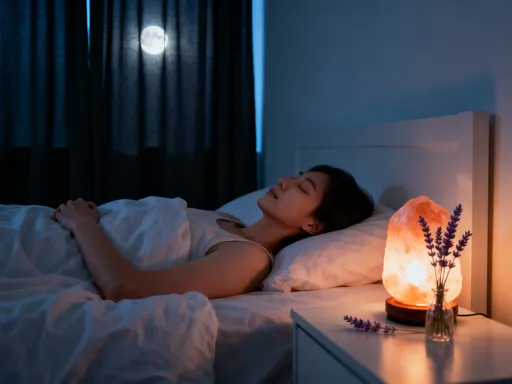
How I Fixed My Sleep Without Pills — A Real Talk on Beating Insomnia Naturally
Struggling with sleepless nights? You're not alone. Chronic insomnia affects millions, quietly eroding health and daily performance. As someone who’s been there, I explored science-backed, non-medical ways to reset my sleep cycle. This isn’t about quick fixes, but sustainable changes that improve both sleep quality and overall well-being. Let’s dive into what actually works — safely, naturally, and effectively.
The Hidden Cost of Poor Sleep
Insomnia is more than just a few restless nights. It is a persistent difficulty in falling asleep, staying asleep, or waking up too early without feeling refreshed. For many women in their 30s to 55s, the struggle often begins subtly — a late-night work email, a child’s illness, or the quiet hours spent worrying about family, finances, or aging parents. Over time, these moments accumulate into a chronic pattern of sleep disruption that takes a serious toll on physical and emotional health.
The consequences of poor sleep extend far beyond daytime fatigue. Research consistently shows that chronic sleep deprivation interferes with cognitive function, making it harder to concentrate, remember details, or make sound decisions. This can affect job performance, parenting responsibilities, and personal relationships. More concerning, long-term insomnia is linked to weakened immune responses, meaning the body becomes less effective at fighting off common infections. A person who sleeps poorly may find themselves catching colds more often or taking longer to recover from illness.
Equally troubling are the metabolic and cardiovascular risks associated with disrupted sleep. Studies have found that individuals who regularly sleep less than six hours per night face a higher likelihood of developing insulin resistance, a precursor to type 2 diabetes. Blood pressure regulation also suffers, increasing the strain on the heart and raising the risk of hypertension and other cardiovascular conditions. These are not distant possibilities — they are measurable changes that occur when the body is denied the nightly repair process that only deep, restorative sleep can provide.
Sleep is not downtime. It is a dynamic, biologically essential process during which the brain clears toxins, consolidates memories, and resets emotional circuits. The body repairs tissues, balances hormones, and strengthens the immune system. When this process is repeatedly interrupted, the entire system begins to falter. For women navigating the hormonal shifts of perimenopause, the impact can be even more pronounced, as fluctuating estrogen and progesterone levels naturally affect sleep architecture. Recognizing sleep as a pillar of health — as important as nutrition and exercise — is the first step toward reclaiming it.
Why Traditional Sleep Advice Often Falls Short
Most people have heard the standard recommendations: go to bed earlier, avoid screens, drink warm milk. While well-intentioned, these tips often fail because they treat symptoms rather than root causes. Telling someone with chronic insomnia to “just go to bed earlier” is like advising a person with poor digestion to “just eat less” — it overlooks the complexity of the issue. Without understanding the underlying factors disrupting sleep, even the most disciplined efforts can fall short.
One major reason generic advice doesn’t work is that insomnia is rarely caused by a single factor. It is usually the result of a combination of stress, irregular routines, poor sleep environment, and sometimes undiagnosed medical or psychological conditions. For example, a woman managing a household, a full-time job, and caregiving duties may carry high levels of cortisol — the stress hormone — well into the evening. This physiological arousal makes it nearly impossible to relax, no matter how early she climbs into bed.
Another limitation of traditional guidance is its one-size-fits-all approach. What works for one person may not work for another. Some individuals thrive on strict bedtime routines, while others need more flexibility. Some benefit from reading before bed, while others find that mental stimulation keeps them awake. The key is personalization. Effective sleep improvement requires a tailored strategy that accounts for individual lifestyle, stress patterns, and biological tendencies.
Additionally, many turn to over-the-counter sleep aids as a temporary solution, not realizing the risks of dependency and diminishing returns. Antihistamines, commonly found in non-prescription sleep medications, may induce drowsiness but do not support natural sleep architecture. Over time, the body can become tolerant, requiring higher doses for the same effect. Worse, these medications can cause grogginess, impaired coordination, and cognitive fog the next day — counteracting the very benefits sleep is meant to provide. Relying on pills, even natural ones marketed as “herbal” or “gentle,” can delay the adoption of sustainable, long-term solutions.
Resetting Your Body Clock: The Power of Circadian Rhythms
At the core of healthy sleep lies the circadian rhythm — the body’s internal 24-hour clock that regulates when we feel alert and when we feel sleepy. This biological system is primarily influenced by light, particularly natural sunlight. When functioning properly, it signals the release of melatonin in the evening, preparing the body for rest, and suppresses it in the morning to promote wakefulness. Disruptions to this rhythm — from irregular schedules, nighttime screen use, or insufficient daylight exposure — can throw the entire system out of balance.
Modern lifestyles often work against circadian health. Many women spend their days indoors, away from natural light, then spend evenings under bright artificial lights and blue light-emitting screens. This sends conflicting signals to the brain: darkness should mean sleep, but glowing devices trick the body into thinking it’s still daytime. As a result, melatonin production is delayed, making it harder to fall asleep at a reasonable hour.
The good news is that circadian rhythms can be reset with consistent, intentional habits. One of the most effective strategies is morning sunlight exposure. Just 15 to 30 minutes of natural light within the first hour of waking helps anchor the internal clock. This could be during a morning walk, while having coffee on the porch, or even sitting near a bright window. The key is consistency — doing this every day, even on weekends, strengthens the body’s ability to distinguish between day and night.
Equally important is managing light exposure in the evening. Establishing a screen curfew — stopping the use of phones, tablets, and computers at least one hour before bed — reduces blue light interference. Using warm-toned lighting in the home, such as dim amber lamps, can further signal to the brain that it’s time to wind down. Pair this with a regular wake-up time, regardless of when sleep occurred the night before, and the body begins to recalibrate. Over time, this consistency trains the brain to anticipate sleep, making it easier to fall and stay asleep.
Creating a Sleep-Inducing Environment
The bedroom should be a sanctuary for sleep — a space designed to support relaxation and minimize disruptions. Yet for many, it doubles as a workspace, entertainment center, or storage area. Clutter, noise, and excess light can all interfere with the brain’s ability to transition into rest. Transforming the bedroom into a sleep-friendly environment is a powerful, often overlooked step in overcoming insomnia.
Temperature plays a critical role. The body naturally cools down as bedtime approaches, and a room that is too warm can hinder this process. Research suggests the ideal sleep temperature ranges between 60 and 67 degrees Fahrenheit (15–19°C). Using breathable bedding, adjusting the thermostat, or using a fan can help maintain this optimal range. Some find that taking a warm bath or shower 1–2 hours before bed aids sleep onset, as the subsequent drop in body temperature mimics the natural cooling process.
Noise and light are equally disruptive. Even low-level background noise — from traffic, appliances, or a snoring partner — can fragment sleep. Using earplugs, a white noise machine, or a fan can create a consistent auditory backdrop that masks sudden sounds. Total darkness is also essential. Light from streetlamps, digital clocks, or charging devices can suppress melatonin. Blackout curtains, eye masks, and covering electronic displays help create a truly dark environment.
Comfort matters too. A supportive mattress and pillows that align with your sleeping position contribute to physical ease. But beyond physical comfort, there is a psychological component: the brain learns to associate the bed with specific activities. If the bed is used for watching TV, working, or scrolling through social media, the mind begins to link it with alertness rather than rest. Reserving the bed exclusively for sleep and intimacy strengthens the mental connection between the bed and sleep, making it easier to relax when lying down.
Mind-Body Techniques That Calm the Nervous System
For many women, the biggest barrier to sleep isn’t physical discomfort — it’s a racing mind. Thoughts about unfinished tasks, upcoming responsibilities, or unresolved emotions can loop endlessly, keeping the nervous system in a state of alertness. This hyperarousal is a hallmark of insomnia and cannot be overcome by sheer willpower. Instead, it requires deliberate practices that signal safety and relaxation to the body.
One of the most accessible tools is diaphragmatic breathing, also known as belly breathing. This technique involves slow, deep breaths that engage the diaphragm rather than shallow chest breathing. Inhaling deeply through the nose for four counts, holding for four, exhaling slowly for six to eight, and pausing before the next breath activates the parasympathetic nervous system — the body’s “rest and digest” mode. Practicing this for just five to ten minutes before bed can reduce heart rate, lower blood pressure, and quiet mental chatter.
Progressive muscle relaxation is another evidence-based method. It involves systematically tensing and then relaxing different muscle groups, starting from the toes and moving upward. This practice increases body awareness and releases physical tension that often goes unnoticed during the day. It also distracts the mind from repetitive thoughts, creating a mental space conducive to sleep.
Mindfulness and journaling can also be powerful. Writing down worries or to-do lists before bed helps offload mental clutter, reducing the fear of forgetting something important. Some find comfort in writing a short gratitude list, which shifts focus from stress to appreciation. Gentle stretching or restorative yoga poses, such as child’s pose or legs-up-the-wall, further support relaxation. These practices do not work overnight, but with regular use, they train the nervous system to transition more smoothly from wakefulness to sleep.
Daily Habits That Build Sleep Resilience
Sleep quality is not determined solely by what happens at bedtime — it is shaped by choices made throughout the day. The foundation of restful sleep is built during daylight hours through consistent routines, physical activity, and mindful consumption. These daily habits create a physiological environment that supports natural tiredness at night, rather than relying on exhaustion or artificial aids.
Regular physical activity is one of the most effective sleep enhancers. Exercise helps regulate circadian rhythms, reduces stress hormones, and increases the amount of deep sleep the body experiences. Even moderate activities like walking, gardening, or household chores contribute to better sleep, especially when done outdoors in natural light. However, timing matters. Vigorous exercise too close to bedtime can raise core body temperature and adrenaline levels, making it harder to wind down. Finishing intense workouts at least three hours before bed allows the body enough time to cool down and relax.
Diet also plays a significant role. Caffeine, a common culprit, has a half-life of up to six hours, meaning that a mid-afternoon coffee can still affect sleep at midnight. Limiting caffeine intake to the morning hours and being mindful of hidden sources — such as chocolate, certain teas, or medications — can make a noticeable difference. Similarly, large or spicy meals late in the evening can cause discomfort, indigestion, or acid reflux, all of which interfere with sleep onset.
Hydration balance is another key factor. While staying hydrated is important, consuming large amounts of fluids in the evening may lead to frequent nighttime awakenings to use the bathroom. Spreading water intake throughout the day and reducing volume in the two hours before bed can help maintain sleep continuity. Alcohol, often used as a sleep aid, should also be approached with caution. While it may induce drowsiness initially, it disrupts sleep architecture later in the night, reducing REM sleep and increasing the likelihood of waking up feeling unrested.
When to Seek Professional Help
While natural strategies can significantly improve sleep for many, they are not a substitute for medical evaluation when underlying conditions are present. Persistent fatigue, loud snoring followed by gasping or pauses in breathing, or overwhelming daytime sleepiness may indicate sleep apnea, a serious disorder that requires diagnosis and treatment. Similarly, chronic anxiety, depression, or unresolved trauma can manifest as insomnia and benefit from professional support.
Women experiencing new or worsening sleep issues during perimenopause or menopause should consult a healthcare provider. Hormonal changes can profoundly affect sleep, and in some cases, hormone therapy or other medical interventions may be appropriate. A doctor can also review medications, as some commonly prescribed drugs — including certain antidepressants, blood pressure medications, or decongestants — can interfere with sleep.
Cognitive Behavioral Therapy for Insomnia (CBT-I) is considered the gold standard non-drug treatment for chronic insomnia. Unlike sleep aids, CBT-I addresses the thoughts and behaviors that perpetuate sleep difficulties. It helps individuals reframe unhelpful beliefs about sleep, establish healthier routines, and reduce the anxiety that often accompanies bedtime. Many find that working with a trained therapist, either in person or through digital programs, leads to lasting improvements.
It’s important to remember that seeking help is not a sign of failure — it’s an act of self-care. Sleep is too vital to health to be left to guesswork. A healthcare provider can help determine whether lifestyle changes are sufficient or whether further evaluation is needed. Natural methods and medical support are not opposites; they can work together to create a comprehensive, personalized approach to better rest.
Conclusion
Improving sleep isn’t about perfection — it’s about consistency, awareness, and self-care. By aligning with your body’s natural rhythms and making small, science-supported changes, lasting improvements are possible. Better sleep doesn’t just fix tiredness — it transforms energy, mood, and long-term health. Start where you are, use what you know, and trust the process. Your best rest may be closer than you think.