How I Rebuilt My Energy with Simple Chinese Healing Habits
Ever feel like your body’s running on empty, no matter how much you rest? I was there—exhausted, unfocused, and stuck in a cycle of quick fixes that never lasted. Then I discovered a more balanced way: Chinese body tuning, not as a magic cure, but as a slow, steady system to support real recovery. This isn’t about extreme diets or pills—it’s about daily rhythms, mindful habits, and working *with* your body. Here’s how a simple, structured approach helped me regain strength, naturally.
The Breaking Point: When Modern Life Wore Me Down
For years, I believed I was doing everything right. I ate salads, took my vitamins, tried intermittent fasting, and even cut out sugar for months. I walked daily and made time for yoga when I could. But still, I felt drained—mentally foggy, physically sluggish, emotionally flat. Mornings were a battle. Even after eight hours of sleep, I woke up as if I’d run a marathon in my dreams. By mid-afternoon, I relied on coffee or an energy bar just to stay upright. Weekends weren’t for rest; they were for recovery from the week.
My doctor ran blood tests. Everything came back “within normal range.” No anemia, no thyroid issues, no deficiencies. I was told I was “probably just stressed” and should try to relax more. But how do you relax when your to-do list never ends? When the kids need you, the house needs cleaning, and work emails pile up by the hour? I tried more sleep, meditation apps, even a short-term prescription for mild anxiety. The relief was temporary. I was treating symptoms, not the root.
The turning point came during a quiet conversation with an older friend who had once struggled with similar fatigue. She didn’t recommend a new supplement or a detox juice. Instead, she spoke about balance—how her energy returned not through drastic changes, but through small, consistent habits rooted in traditional Chinese wellness. She described how her body began to “remember how to rest” when she stopped fighting it and started listening. That idea stayed with me: what if healing isn’t about pushing harder, but about aligning with my body’s natural rhythms?
What Is Chinese Body Tuning? More Than Just Herbs and Acupuncture
When I first heard the term “Chinese body tuning,” I pictured acupuncture needles and mysterious herbal teas. I assumed it was either too esoteric or too old-fashioned to fit into my modern life. But as I learned more, I realized it’s not about mysticism—it’s about observation, pattern recognition, and a deep understanding of how the body functions as a whole system. At its core, Chinese body tuning is based on the concept of *qi* (pronounced “chee”), the vital energy that flows through the body, supporting every function from digestion to immunity to emotional well-being.
This system also emphasizes the balance between *yin* and *yang*—opposing but complementary forces. Yin represents rest, nourishment, and cooling; yang represents activity, warmth, and movement. When these forces are in harmony, the body functions smoothly. When one dominates too long—like constant activity without enough rest—imbalance sets in. Chinese medicine sees fatigue not as a standalone issue, but as a signal that one or more organ systems are out of sync. For example, chronic tiredness might be linked to the spleen’s role in transforming food into energy, or the liver’s ability to manage stress and emotional flow.
Importantly, this isn’t about rejecting Western medicine. It’s about complementing it. While modern medicine excels at diagnosing and treating acute conditions, Chinese body tuning focuses on the subtle shifts that precede illness—what some call the “gray zone” of suboptimal health. It’s preventive, not reactive. And it doesn’t promise overnight cures. Instead, it views recovery as a process of gradual restoration, much like healing a deep wound. You can’t rush it, but with the right care, the body will repair itself.
Why a System Works Better Than Random Fixes
We live in a culture obsessed with quick solutions. Detox teas, 7-day cleanses, miracle powders—they promise fast results with minimal effort. I’ve tried many of them. Some gave a short burst of energy, but none brought lasting change. The problem with these fixes is that they treat the body like a machine that needs a tune-up, rather than a living system that thrives on consistency and connection.
Think of your body like a garden. You can’t grow strong, healthy plants by watering once a week and expecting miracles. Plants need regular care—sunlight, water, good soil, and time. The same is true for your energy. You can’t rely on a single habit, like drinking green juice or taking a supplement, and expect it to fix everything. True vitality comes from a network of supportive routines that work together: sleep, digestion, movement, and emotional balance.
Chinese body tuning connects these elements. It sees poor sleep not just as an insomnia issue, but as a sign that the liver may be overburdened or that yin energy is too low to support rest. It views digestion as central to energy production—what you eat, when you eat, and how you eat all matter. Emotional stress isn’t separate from physical health; it directly impacts the flow of qi. Modern research in lifestyle medicine supports this integrated view. Studies show that long-term well-being improves most when people adopt multiple healthy habits together—consistent sleep, balanced nutrition, regular movement, and stress management—rather than focusing on one isolated change.
My Daily Rhythm: The 4 Core Habits That Made a Difference
After months of reading and consulting with a licensed practitioner of traditional Chinese medicine, I began to build a daily rhythm based on four simple habits. I didn’t overhaul my life overnight. I started with one, then added another when it felt natural. These weren’t extreme or time-consuming—each took less than ten minutes, but together, they created a foundation for steady energy.
The first habit was **mindful morning breathing**. Instead of reaching for my phone, I sat up slowly and took five deep, slow breaths—inhaling through the nose, expanding the belly, and exhaling fully. This simple act helped reset my nervous system, shifting me from “fight or flight” to a calmer state. In Chinese medicine, the lungs govern qi and are most active in the early morning. By breathing deeply, I was supporting my body’s natural rhythm and preparing it for the day.
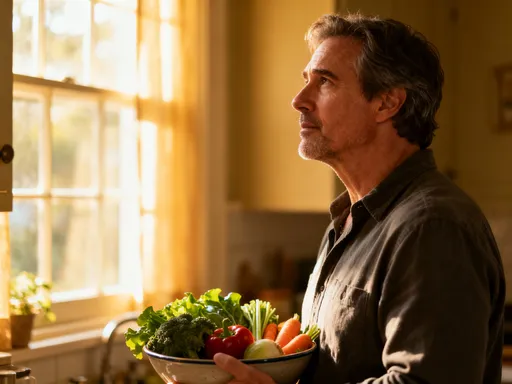
The second habit was **eating according to body type and season**. I learned that cold foods—like smoothies or iced drinks—can weaken digestion, especially in colder months or for people with a tendency toward fatigue. Instead of forcing myself to eat “healthy” cold meals, I switched to warm, cooked foods—soups, oatmeal, steamed vegetables—especially at breakfast. I also began eating at more regular times, which helped stabilize my energy. Chinese medicine emphasizes that the spleen and stomach work best when they can anticipate meals, much like a well-tended fire burns steadily when fed at consistent intervals.
The third habit was **gentle daily movement**. I had always associated exercise with intensity—running, spinning, or high-energy workouts. But for someone recovering from burnout, that kind of activity can be draining. Instead, I started practicing tai chi and gentle stretching in the late afternoon. These movements promote the flow of qi and blood without overtaxing the body. Even ten minutes a day made a difference in how I felt—less stiffness, better circulation, and a quieter mind.
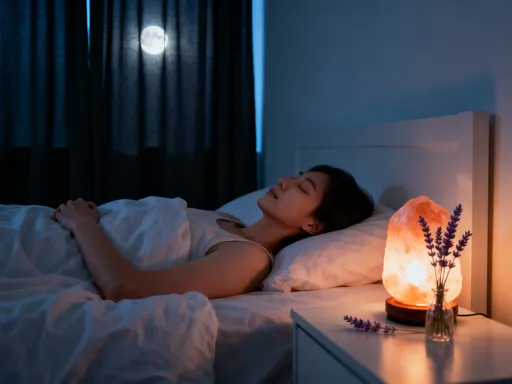
The fourth habit was an **evening wind-down ritual**. I used to stay up late, scrolling or working, then wonder why I couldn’t sleep. Now, I begin winding down at 8:30 p.m. I turn off bright lights, avoid screens, and drink a cup of warm herbal tea—often chamomile or a blend with chrysanthemum, which is said to support liver function and calm the mind. In Chinese medicine, the liver is most active at night and needs peace to detoxify and restore. Protecting this time has improved my sleep quality and reduced morning fatigue.
Listening to Your Body: The Real Skill Behind Healing
One of the most valuable lessons I’ve learned is how to listen to my body. In our fast-paced world, we’re trained to ignore signals—push through fatigue, suppress emotions, override hunger or fullness. But Chinese body tuning teaches that the body speaks in subtle ways: a change in tongue coating, shifts in energy levels, digestion patterns, even mood fluctuations. These aren’t random; they’re clues.
For example, I noticed that after eating raw salads for lunch, I felt heavier and more tired by 3 p.m. When I switched to warm soups, my afternoon energy improved. I also began paying attention to my tongue—something my practitioner suggested. A thick white coating sometimes appeared when I was stressed or had eaten too many cold foods. It wasn’t a diagnosis, but a sign that my digestion needed support. I didn’t obsess over it, but used it as feedback.
Another insight was how my mood changed with routine. On days I skipped my breathing practice or stayed up late, I felt more irritable and scattered. On days I followed my rhythm, I was calmer and more focused. This wasn’t about perfection—it was about awareness. Healing isn’t a one-size-fits-all journey. What works for one person may not suit another. The key is to observe, adjust, and respond with kindness, not judgment.
Common Pitfalls (And How I Avoided Them)
When I first started, I made the mistake of trying to do everything at once. I wanted results fast, so I added breathing, changed my diet, started tai chi, and overhauled my sleep schedule—all in one week. Within days, I was overwhelmed. I felt like I was failing before I even began. That’s when I realized: balance doesn’t come from doing more. It comes from doing less, but consistently.
Another pitfall was impatience. I expected to feel better in a week. But Chinese body tuning is not a sprint. It’s more like tending a garden—you plant the seeds, water them daily, and wait. Progress is slow, but steady. I had to let go of the idea that healing should be dramatic. Real change happens beneath the surface, long before you feel it.
I also had to guard against replacing one extreme with another. At one point, I became so focused on “eating right” that I stopped enjoying meals. I avoided social dinners out of fear of breaking my routine. That wasn’t balance—it was rigidity. I learned to be flexible. If I ate something cold or stayed up late, I didn’t punish myself. I simply returned to my habits the next day. The goal wasn’t perfection; it was resilience.
Making It Last: How to Build a Personalized Recovery Plan
The most important thing I’ve learned is that lasting change starts small. You don’t need to transform your entire life to regain your energy. You just need to begin. My suggestion for anyone feeling drained is to start with one habit—just one. Maybe it’s morning breathing. Maybe it’s switching to warm breakfasts. Pick something simple that feels doable, and practice it for two weeks. Notice how you feel. Then, if you’re ready, add another.
It also helps to assess your current state honestly. Are you sleeping poorly? Do you feel bloated after meals? Are you constantly tired despite resting? These are signs, not flaws. They point to where your body needs support. But self-diagnosis can be risky. That’s why I recommend consulting a licensed practitioner of traditional Chinese medicine, especially if you’re new to this approach. They can help you understand your unique pattern and guide you safely.
Consistency matters more than intensity. Missing a day isn’t failure. Life happens. What matters is returning to the practice. Over time, these small habits become part of your rhythm—less like a chore, more like a natural way of living. And that’s when the real shift happens. You stop chasing energy and start embodying it.
True recovery isn’t about bouncing back to who you were. It’s about building a stronger foundation—physically, emotionally, and mentally. It’s about creating a life where your body isn’t just surviving, but thriving. Chinese body tuning didn’t give me a miracle. It gave me a method—a quiet, sustainable way to care for myself, day by day.
Real healing isn’t loud or flashy—it’s quiet, consistent, and deeply personal. My journey with Chinese body tuning wasn’t about chasing miracles, but about creating a life where my body could finally rest, repair, and thrive. By treating wellness as a system, not a series of hacks, I found energy I didn’t know I’d lost. This approach won’t replace medical care, but it can support it—offering a calmer, clearer path to long-term well-being. The best part? It’s not complicated. It’s just human.