What Changed My Hair Game Forever – A Real Talk on Smarter Hair Care
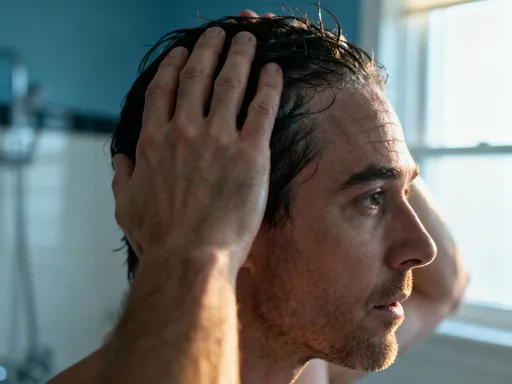
Losing hair can hit hard—confidence drops, mornings get harder, and hats become best friends. I’ve been there. What most don’t realize is that hair thinning isn’t just genetics; it’s often a signal from your body. Through small, consistent changes in routine and mindset, I saw real improvement. This isn’t about miracle cures, but smart, science-backed habits that support long-term scalp and hair health. Hair loss can feel isolating, but it’s more common than many think, especially among women over 30. The good news? Understanding the root causes and making informed choices can shift the trajectory of hair health for the better.
The Moment It Hit Me – Recognizing Hair Loss as a Wake-Up Call
It started subtly—a few extra strands in the shower drain, a widening part, a hesitant glance in the mirror. At first, it was easy to brush off. Everyone sheds hair, right? But when the changes became undeniable, the emotional toll followed. There was a quiet shame in pulling hair into a tighter bun or reaching for a scarf on good-hair days that no longer came. The realization that something was shifting beneath the surface brought both fear and curiosity. Was this just aging? Was it stress? Or was it something I could actually influence?
For years, the dominant narrative had been that hair thinning was mostly genetic—something passed down and accepted. While heredity does play a role, especially in patterns like female-pattern hair loss, it’s rarely the only factor. Research shows that many women experience hair shedding linked not to genes alone, but to underlying physiological changes. These can include hormonal shifts, particularly around perimenopause and menopause, when estrogen levels begin to decline. Lower estrogen can lead to a relative increase in androgens, which may affect hair follicle sensitivity and contribute to thinning.
Hair loss is not merely a cosmetic concern; it’s often a visible sign of internal imbalance. The scalp is an extension of the skin, and like other organs, it responds to stress, nutrition, and hormonal fluctuations. When hair begins to thin, it may be signaling nutrient deficiencies, chronic stress, or inflammation. Recognizing this shift as a wake-up call—rather than a sentence—can be empowering. It invites a deeper conversation about overall health and self-care, not just appearance.
Emotionally, the impact of hair thinning is profound. Studies have shown that women experiencing hair loss often report lower self-esteem, increased anxiety, and even social withdrawal. The connection between hair and identity is strong, particularly in cultures where full, healthy hair is associated with youth and vitality. Yet, acknowledging these feelings is the first step toward healing. When we stop seeing hair loss as a personal failing and start viewing it as a health signal, we open the door to proactive, compassionate care.
Understanding the Hair Growth Cycle – What’s Normal vs. What’s Not
To understand hair loss, it helps to know how hair grows in the first place. The hair growth cycle consists of three main phases: anagen, catagen, and telogen. The anagen phase is the active growth stage, during which hair follicles produce new cells. This phase can last anywhere from two to seven years, depending on genetics and health. About 85% to 90% of scalp hairs are typically in this phase at any given time. The longer the anagen phase, the longer the hair can grow.
Next is the catagen phase, a short transitional period lasting about two to three weeks. During this time, hair stops growing and the follicle shrinks. Only about 1% to 3% of hairs are in this phase. Finally, the telogen phase is the resting stage, lasting roughly three months. Around 10% to 15% of scalp hairs are in this phase, and at the end of it, the hair is shed naturally to make way for new growth. It’s normal to lose between 50 and 100 hairs per day as part of this cycle.
Seasonal shedding is also a real phenomenon. Many people notice increased hair fall in the fall, particularly September and October. This is thought to be an evolutionary adaptation—shedding the thicker summer coat to prepare for cooler weather. While this temporary increase in shedding can be alarming, it’s usually self-limiting and resolves within a few weeks.
When hair loss moves beyond normal shedding, certain signs may indicate a deeper issue. Sudden, patchy hair loss could point to alopecia areata, an autoimmune condition. Diffuse thinning across the scalp may be linked to telogen effluvium, often triggered by stress, illness, rapid weight loss, or hormonal changes. A receding hairline or visible scalp, especially at the crown or part, may suggest female-pattern hair loss. These patterns require a more targeted approach than general shedding.
Scalp health is foundational to strong hair growth. A healthy scalp provides the environment needed for follicles to function optimally. Conditions like seborrheic dermatitis, dandruff, or inflammation can disrupt the growth cycle and contribute to shedding. Regular cleansing, proper hydration, and avoiding harsh chemicals help maintain a balanced scalp microbiome. Just as soil quality affects plant growth, scalp condition directly influences hair strength and resilience.
Hidden Triggers Behind Hair Thinning – Beyond the Mirror
While genetics and aging play roles, many overlooked factors contribute to hair thinning. One of the most significant is stress. Chronic stress elevates cortisol, the body’s primary stress hormone. High cortisol levels can disrupt the hair growth cycle, pushing more follicles into the telogen (resting) phase prematurely. This condition, known as telogen effluvium, often manifests two to three months after a stressful event, such as surgery, illness, or emotional trauma. The good news is that once the stressor is addressed, hair typically regrows within six to nine months.
Nutritional deficiencies are another common but often undiagnosed cause. Iron deficiency, even without anemia, has been linked to hair loss in women. Iron is essential for DNA synthesis in hair follicles and oxygen transport. Low ferritin levels—a marker of stored iron—can impair hair growth. Similarly, deficiencies in zinc, vitamin D, and biotin can negatively affect hair structure and cycle regulation. Protein is also crucial; hair is primarily made of keratin, a protein, so inadequate intake can lead to brittle, weak strands.
Sleep quality plays a surprisingly important role. During deep sleep, the body undergoes repair and regeneration, including tissue and cell renewal. Poor sleep or disrupted circadian rhythms can interfere with these processes, potentially affecting hair follicle health. Consistent, restorative sleep supports hormone balance and reduces inflammation—both key for maintaining healthy hair.
Lifestyle habits also matter. Over-styling with heat tools, chemical treatments, and tight hairstyles like ponytails or braids can cause traction alopecia—hair loss due to constant pulling. Heat damage weakens the hair shaft, leading to breakage and split ends. Using protective styles, minimizing heat exposure, and choosing gentler styling methods can reduce this risk. Even something as simple as brushing too aggressively or using the wrong type of brush can contribute to unnecessary shedding.
Daily Habits That Make a Difference – Small Shifts, Big Results
Improving hair health doesn’t require drastic changes. Small, consistent habits can yield meaningful results over time. One of the most effective yet underused practices is scalp massage. Just five to ten minutes a day can increase blood circulation to the follicles, delivering oxygen and nutrients more efficiently. Studies suggest that regular scalp massage may also reduce stress and improve hair thickness over time. Using fingertips in circular motions, starting at the forehead and moving toward the back of the head, can be both soothing and beneficial.
Choosing the right hair care products matters. Sulfates, commonly found in shampoos, are strong detergents that can strip natural oils from the scalp, leading to dryness and irritation. For those with sensitive scalps or thinning hair, switching to a sulfate-free formula can help maintain moisture balance. Look for products with gentle cleansers like cocamidopropyl betaine and nourishing ingredients such as aloe vera, glycerin, or panthenol. Conditioners should be applied mainly to the ends, not the scalp, to avoid clogging follicles.
How you brush your hair also makes a difference. Using a wide-tooth comb or a soft-bristle brush minimizes breakage, especially when hair is wet and more vulnerable. Start from the ends and work upward to detangle gently. Avoid brushing aggressively or using plastic combs that create static and friction. Detangling before washing can prevent knots and reduce pulling during shampooing.
Simple changes in bedtime routines can also protect hair. Cotton pillowcases create friction, leading to frizz and breakage. Switching to a silk or satin pillowcase reduces this friction, helping hair glide smoothly and retain moisture. Similarly, sleeping with hair in a loose braid or silk scarf can prevent tangles and reduce mechanical stress. These small adjustments may seem minor, but over time, they contribute to stronger, more resilient hair.
Fueling Hair from Within – The Plate-to-Peak Connection
Hair health begins in the kitchen. The body needs a steady supply of nutrients to produce strong, healthy strands. Protein is the building block of hair, so including quality sources like eggs, lean poultry, legumes, and Greek yogurt supports keratin production. Collagen, found in bone broth or produced naturally when consuming vitamin C-rich foods with protein, may also support hair strength and elasticity.
Iron-rich foods such as spinach, lentils, and fortified cereals help maintain healthy ferritin levels. Pairing plant-based iron sources with vitamin C—like bell peppers, citrus, or strawberries—enhances absorption. Zinc, found in pumpkin seeds, chickpeas, and shellfish, plays a role in hair tissue growth and repair. Vitamin D, which many people lack, especially in winter months, supports follicle cycling and may be linked to hair loss when deficient.
Healthy fats are equally important. Omega-3 fatty acids, found in fatty fish, flaxseeds, and walnuts, nourish the scalp and support natural oil production. Avocados and olive oil provide monounsaturated fats that contribute to hair shine and strength. Hydration is also key—water supports every cellular function, including those involved in hair growth.
A sample day of eating for hair health might include: a breakfast of scrambled eggs with spinach and tomatoes; a mid-morning snack of Greek yogurt with berries and chia seeds; lunch with grilled salmon, quinoa, and steamed broccoli; an afternoon snack of almonds and an orange; and dinner featuring lentil soup with a side salad dressed in olive oil. This kind of balanced, whole-food approach provides sustained nutrition without relying on supplements.
While supplements are widely marketed for hair growth, they are not always necessary—and can even be harmful in excess. For example, too much selenium or vitamin A can contribute to hair loss. The best strategy is to focus on a nutrient-dense diet first, and only consider supplementation under medical supervision if a deficiency is confirmed through testing.
When to Seek Help – Navigating Professional Support
There comes a point when self-care isn’t enough. Recognizing red flags is crucial. Rapid hair loss—more than 100 strands a day for several weeks—warrants attention. Bald patches, scalp redness, itching, or flaking could indicate conditions like alopecia areata, fungal infections, or psoriasis. If hair loss is accompanied by other symptoms such as fatigue, weight changes, or irregular periods, it may point to an underlying hormonal or metabolic issue like thyroid disease.
Seeking professional help doesn’t mean failure—it means taking control. Dermatologists are often the first point of contact for hair concerns. Some specialize in hair disorders and are called trichologists. Nutritionists or registered dietitians can help identify dietary gaps that may be contributing to thinning. These professionals work together to provide a comprehensive view of hair health.
During a hair health evaluation, a provider may perform a scalp examination, pull test (gently tugging hairs to assess shedding), or take photographs for tracking. Blood tests can check for iron, vitamin D, thyroid hormones, and other markers. A diagnosis allows for a targeted treatment plan, whether it’s correcting a deficiency, managing a medical condition, or adjusting lifestyle factors.
Professional guidance is far more effective than DIY fixes. Over-the-counter treatments like minoxidil (Rogaine) can be helpful for some, but they work best when used appropriately and consistently. Other treatments, such as low-level laser therapy or platelet-rich plasma (PRP) injections, may be recommended in certain cases. The key is personalization—what works for one person may not work for another.
Building a Sustainable Hair Care Routine – Long-Term Mindset Over Quick Fixes
Sustainable hair care is about consistency, not perfection. Start by creating a simple routine: gentle cleansing every two to three days, regular conditioning, scalp massage, and protective styling. Incorporate weekly habits like deep conditioning treatments or oil masks using natural ingredients like coconut or argan oil. Keep product use minimal to avoid buildup.
Tracking progress can be helpful, but it shouldn’t become obsessive. Taking monthly photos under consistent lighting can reveal changes that aren’t obvious day-to-day. Journaling about stress levels, diet, and sleep may help identify patterns linked to shedding. The goal isn’t to fixate on results, but to stay aware and responsive.
Shifting the mindset around hair care is perhaps the most important step. It’s not about vanity—it’s about self-respect and self-care. Treating the scalp and hair with kindness reflects a broader commitment to well-being. This includes managing stress through mindfulness, movement, or therapy, and honoring the body’s need for rest and nourishment.
Patience is essential. Hair grows slowly—about half an inch per month. Visible improvements may take three to six months of consistent effort. There will be good days and bad days. The key is to stay the course, celebrate small wins, and treat setbacks with compassion. Hair health is a journey, not a race.
Over time, the focus shifts from hiding loss to nurturing growth. It becomes less about appearance and more about alignment—with one’s health, values, and daily choices. When care comes from a place of love rather than fear, the results go beyond hair. They reflect a life lived with intention and care.
Hair health is more than vanity—it’s a reflection of overall well-being. By shifting focus from hiding loss to understanding root causes, real progress becomes possible. The journey isn’t about perfection, but consistency, awareness, and kindness to yourself. With the right habits and mindset, stronger, fuller hair isn’t a fantasy—it’s a sustainable reality.